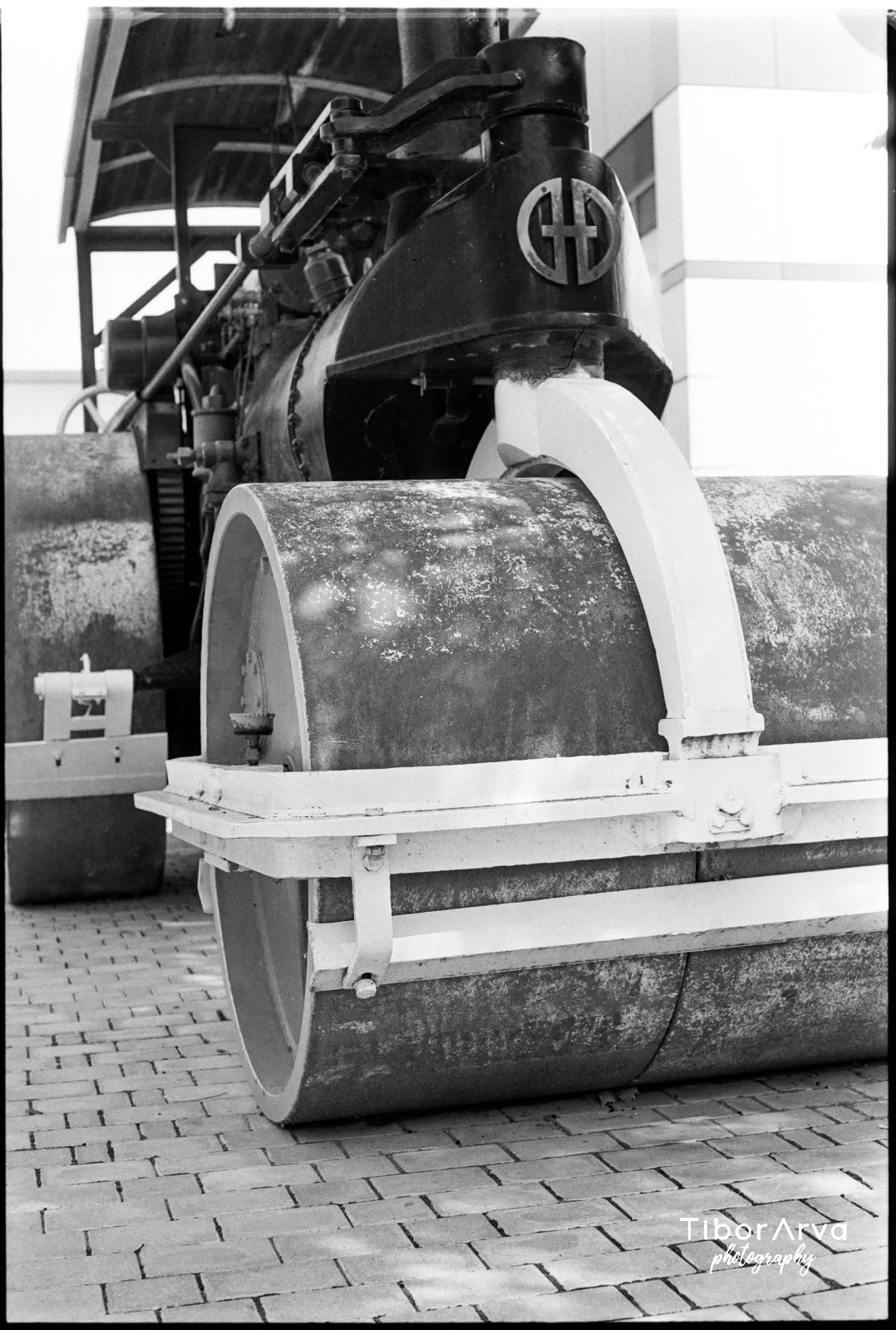
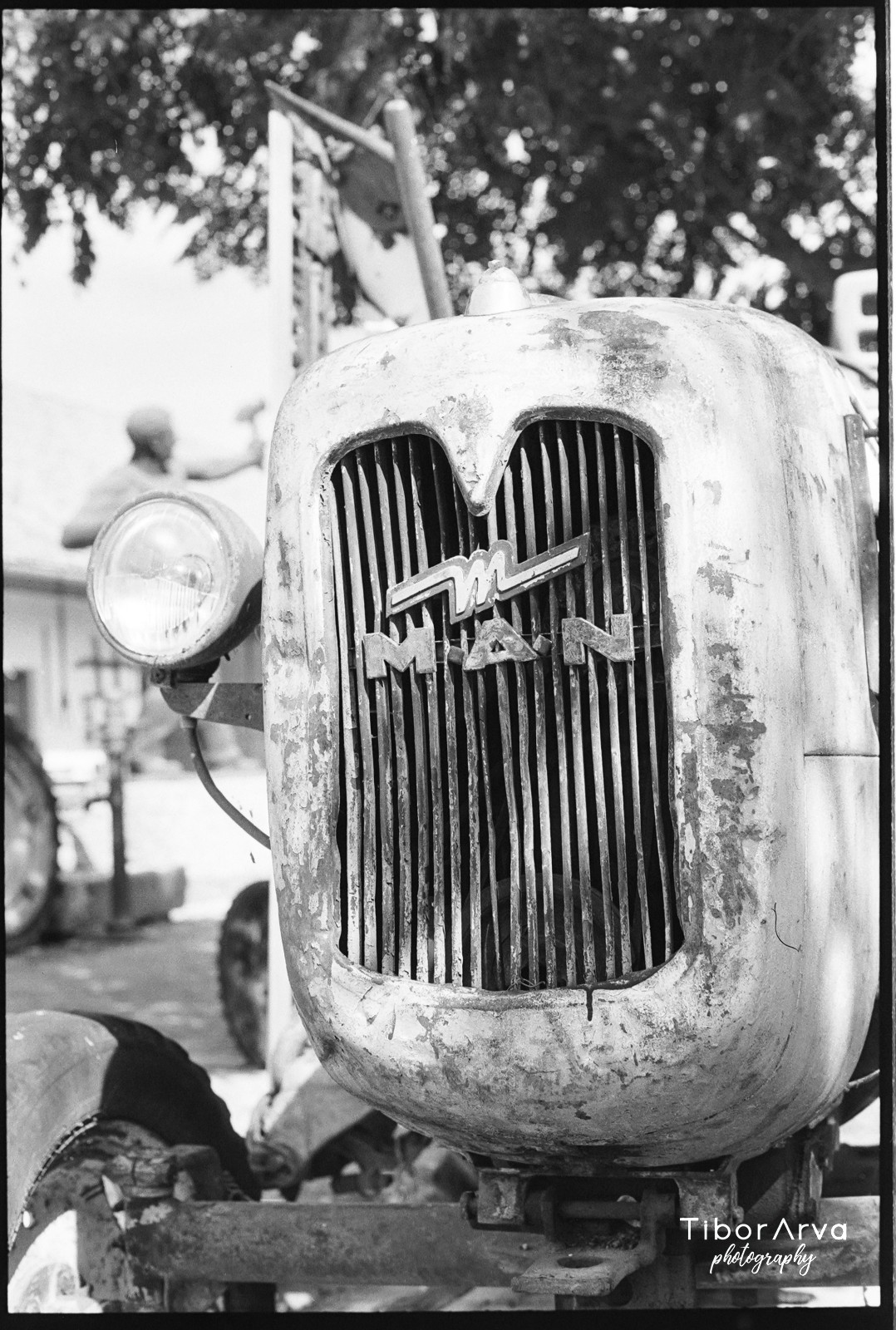
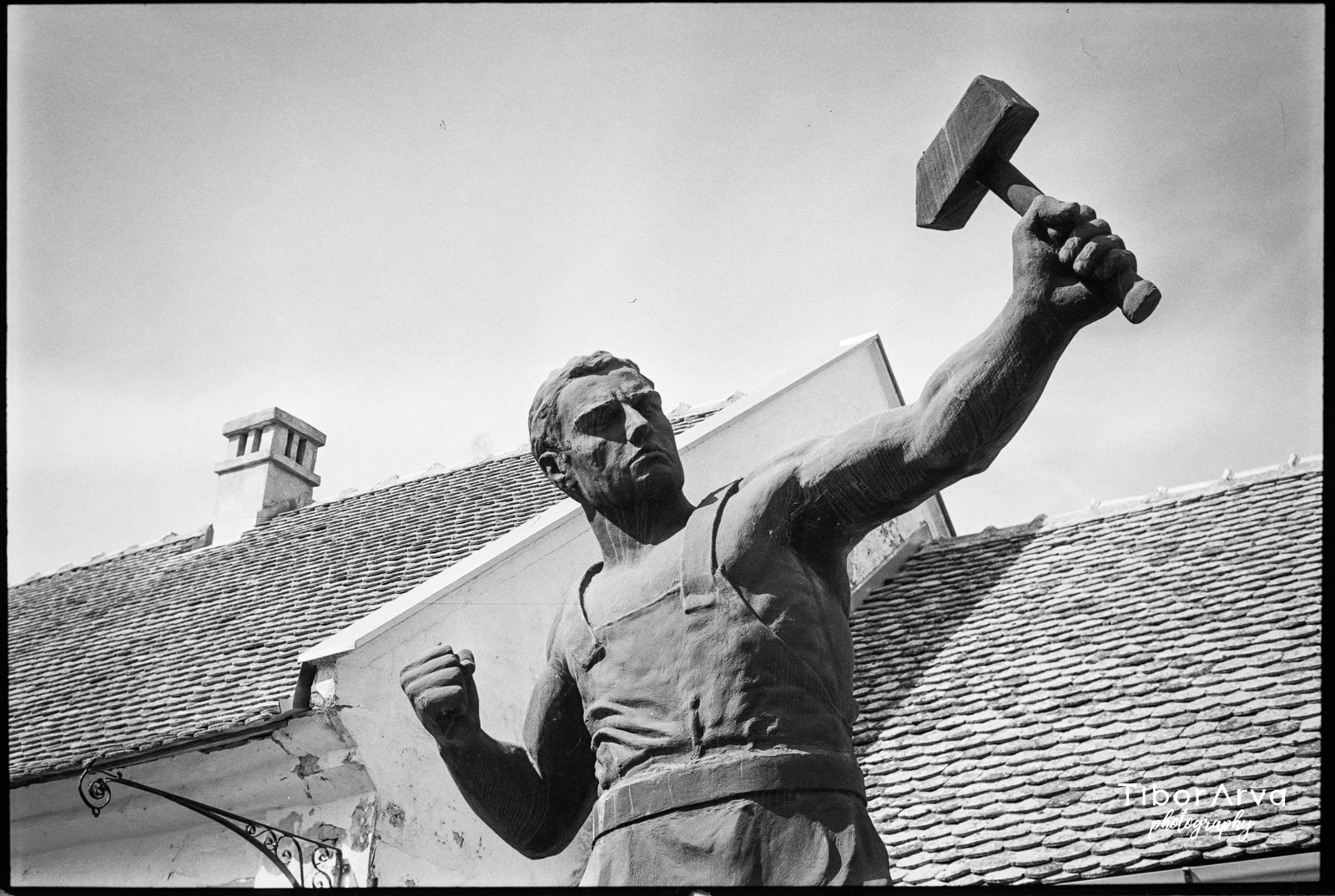
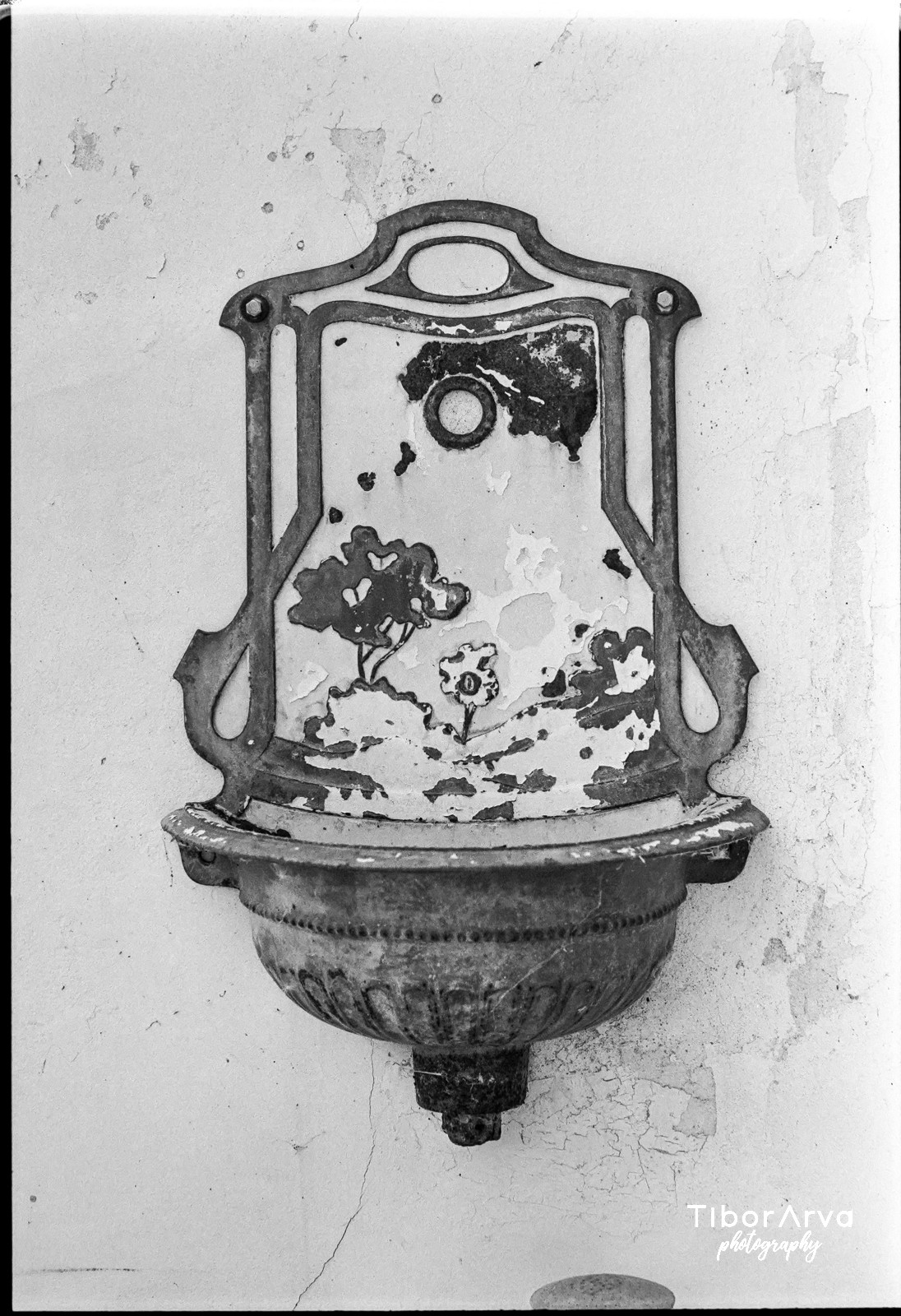
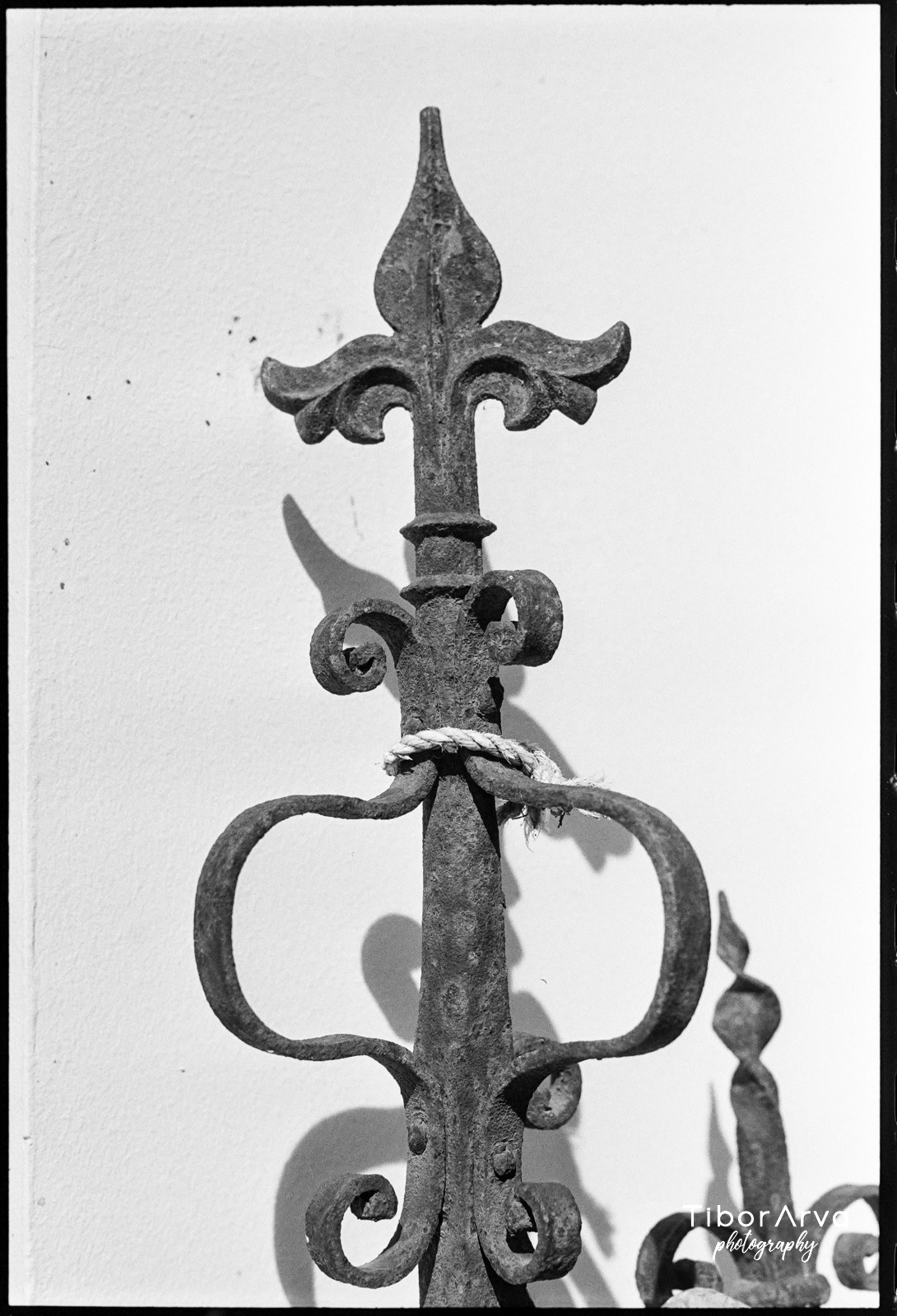
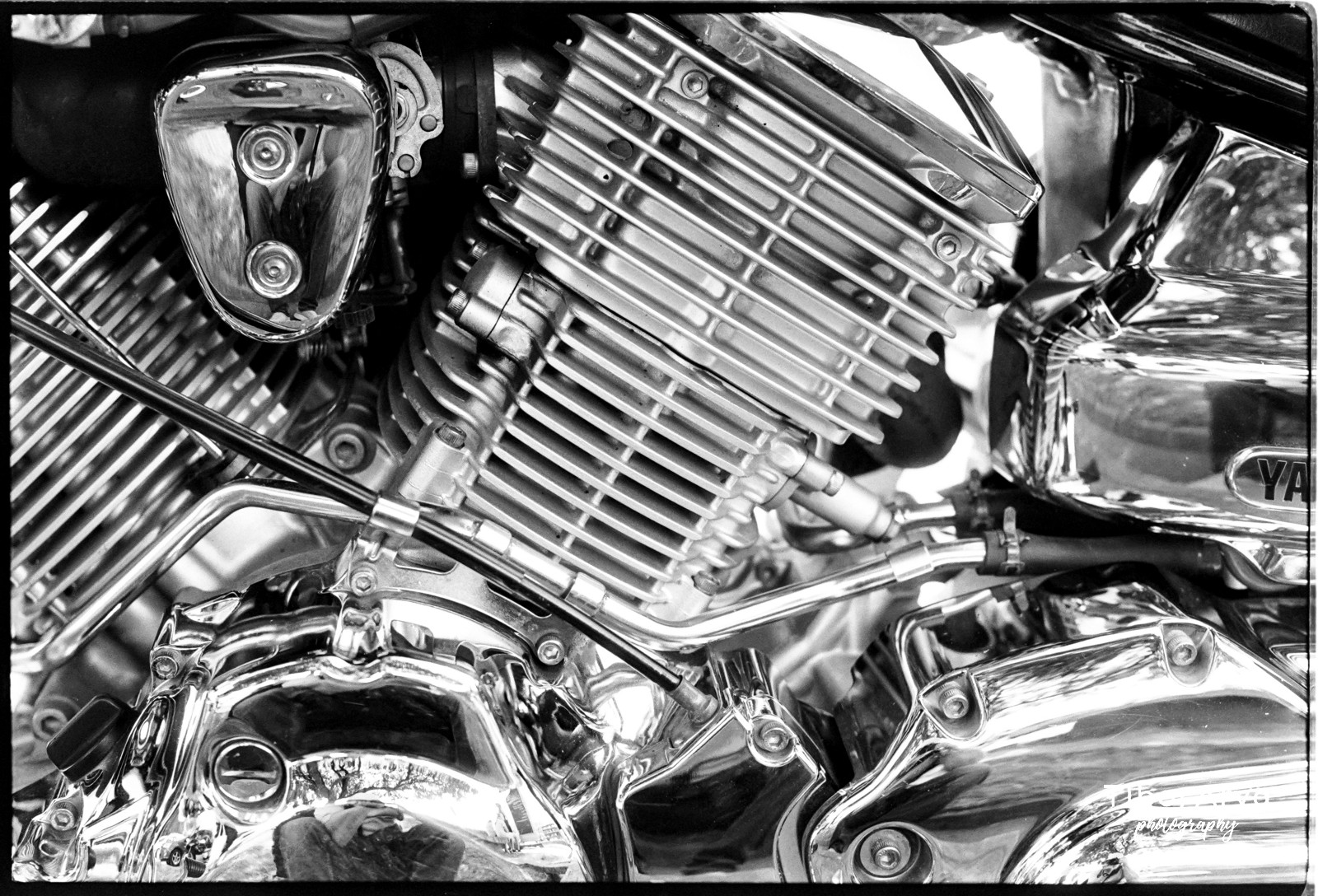
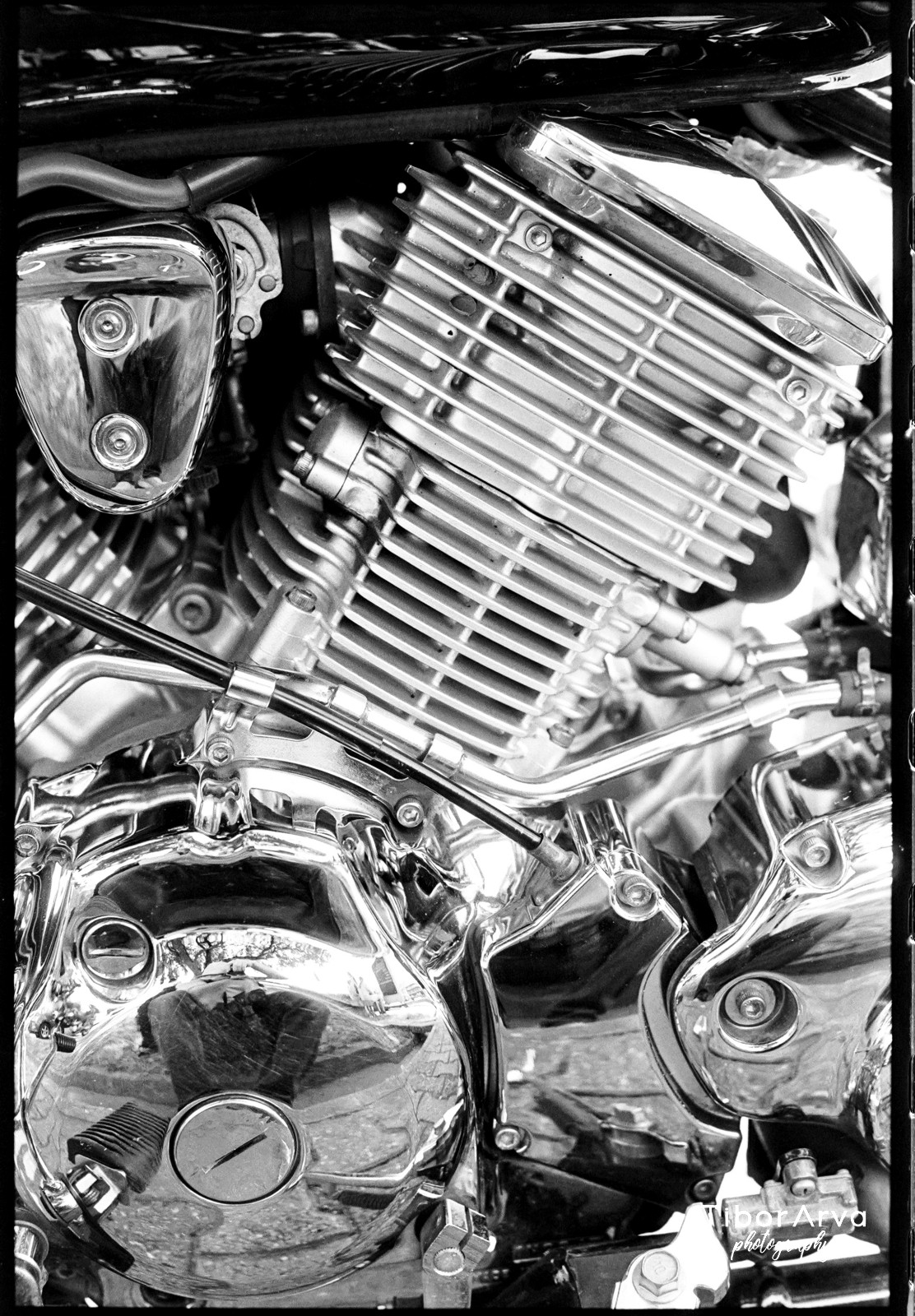
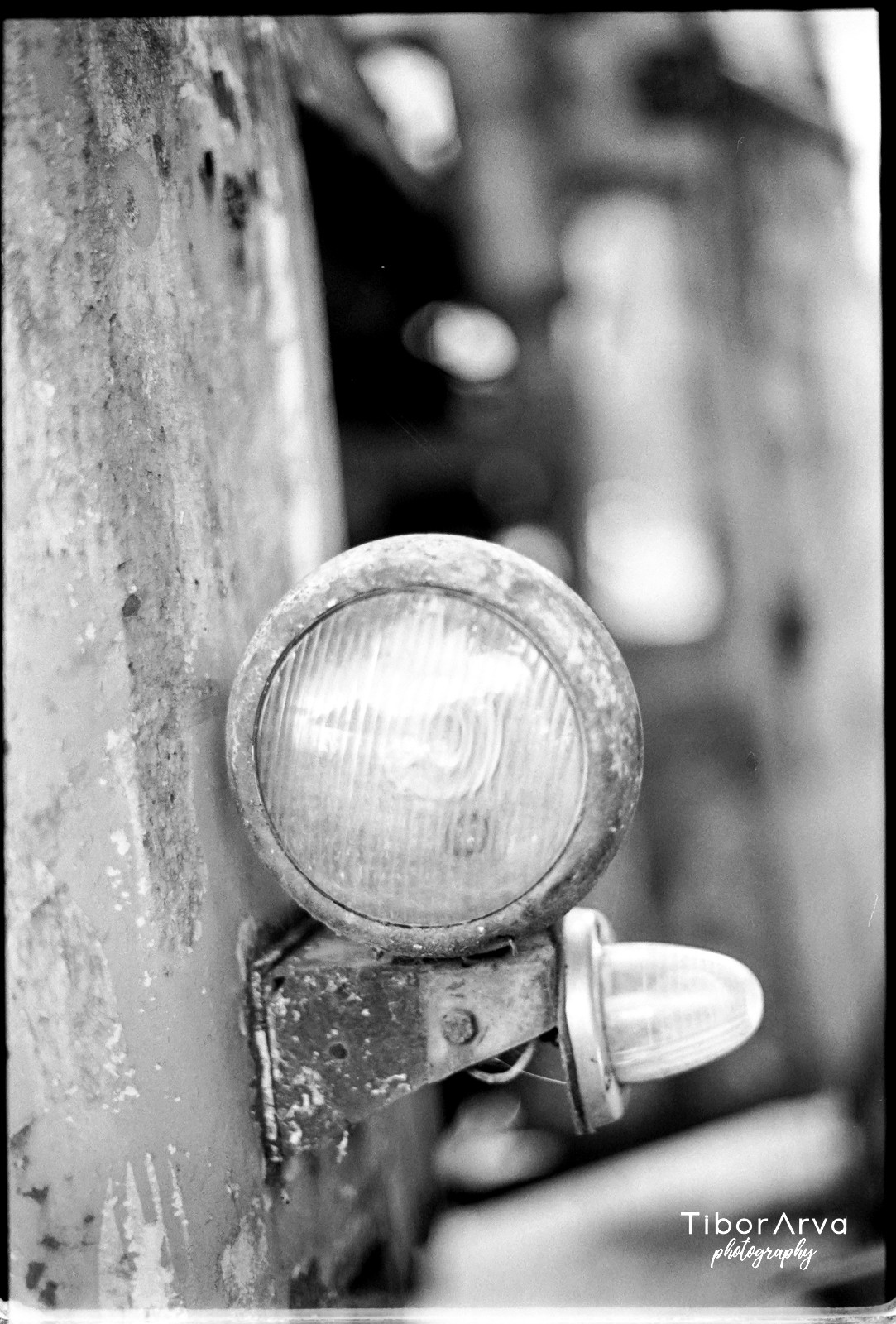
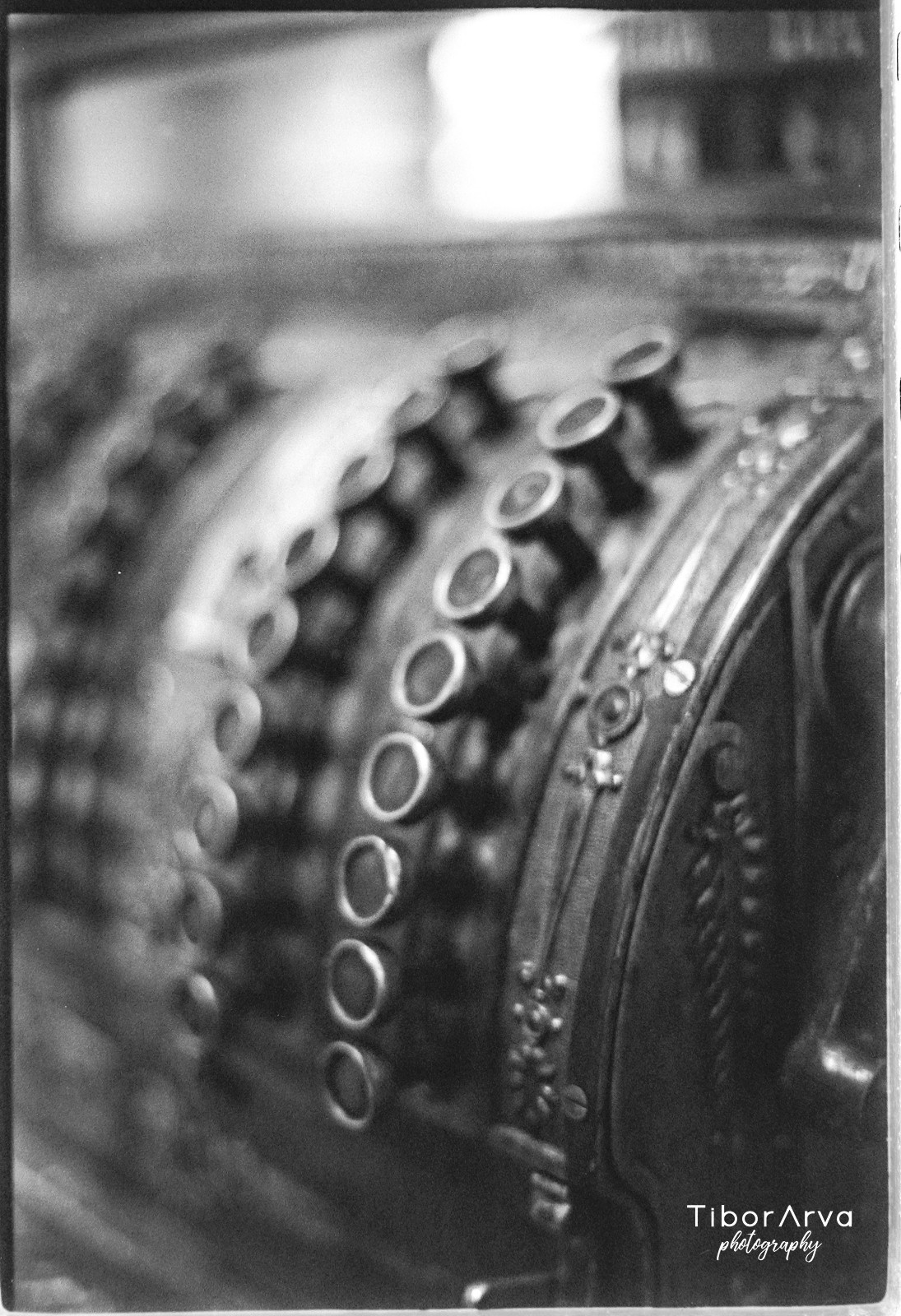
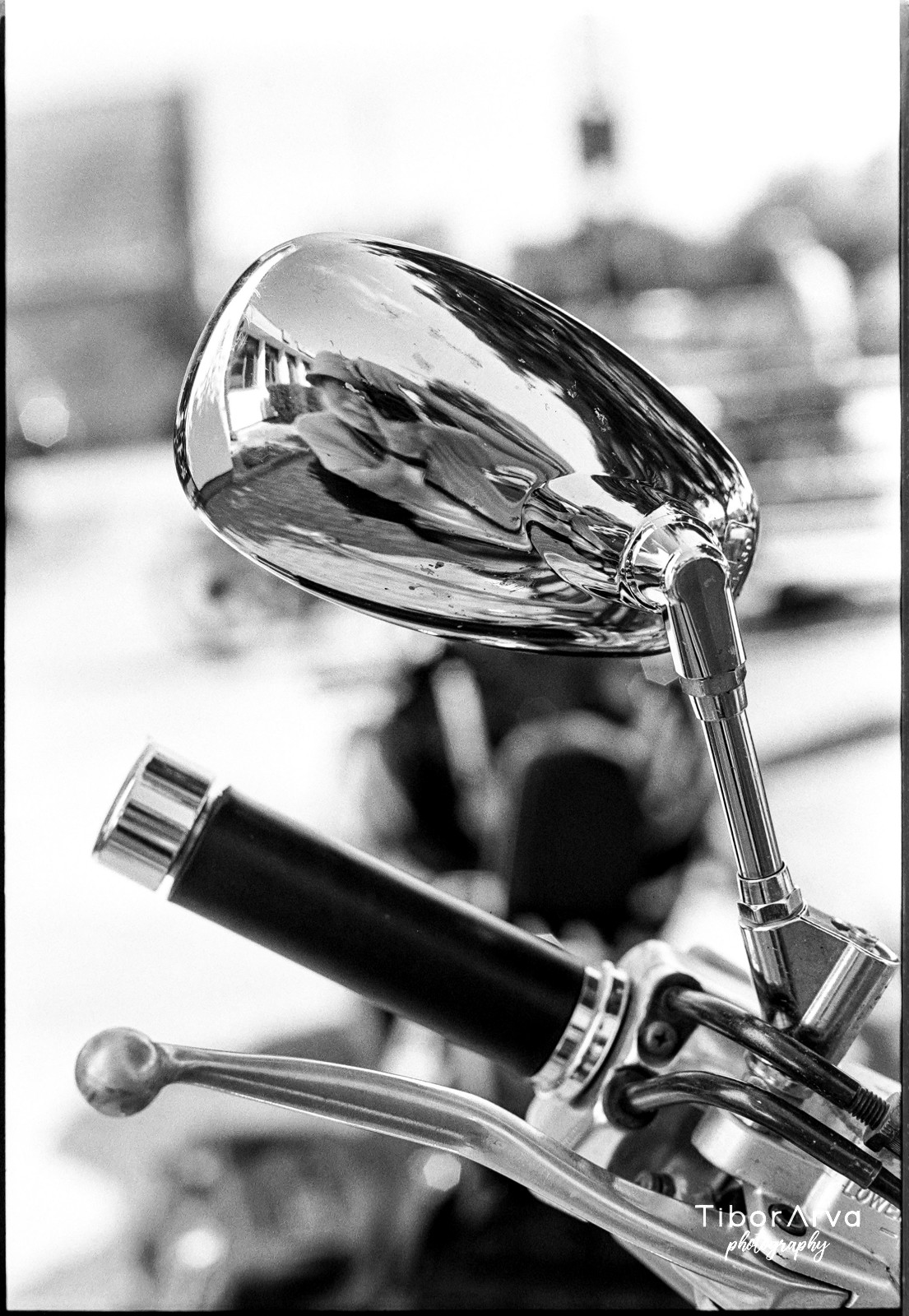
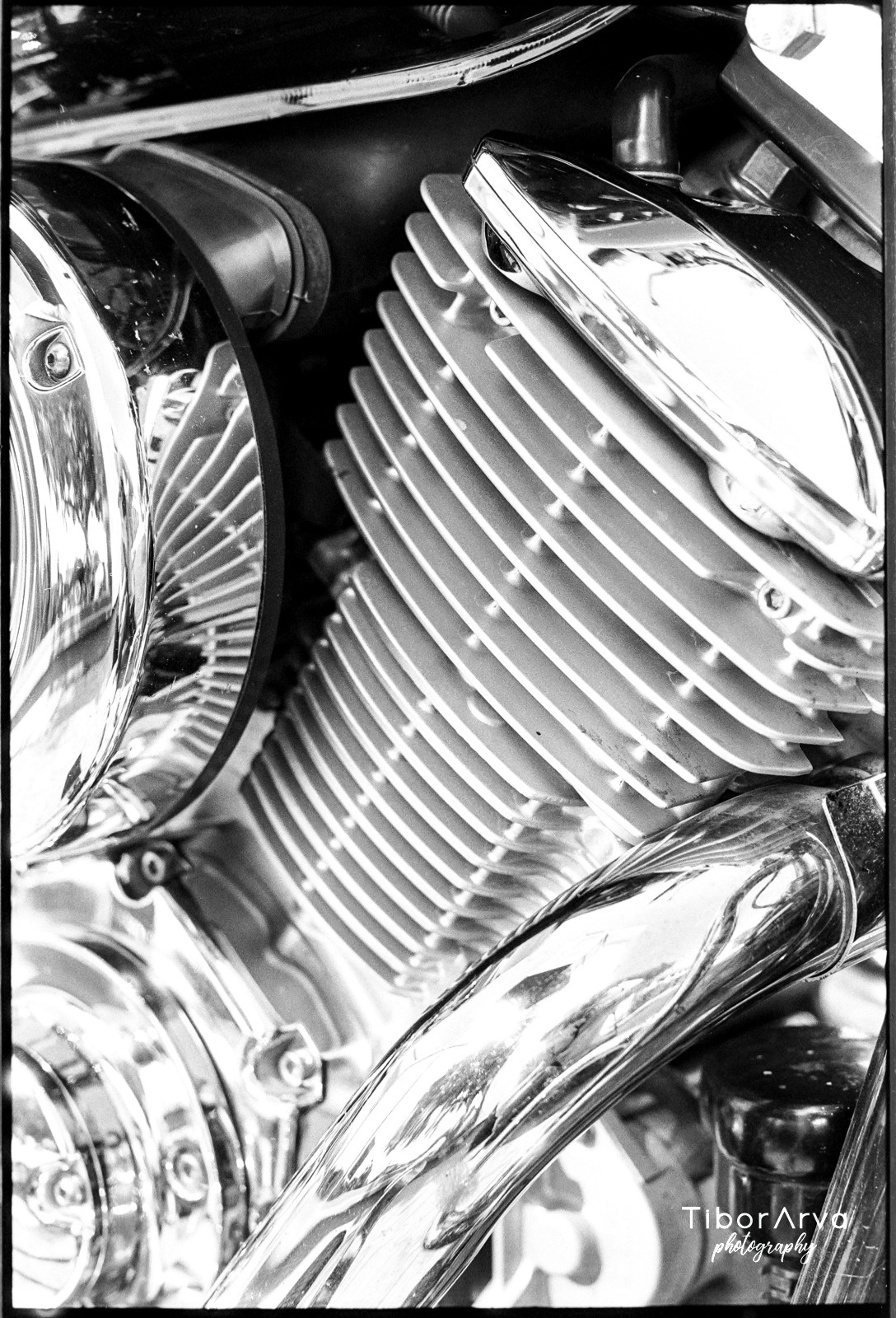
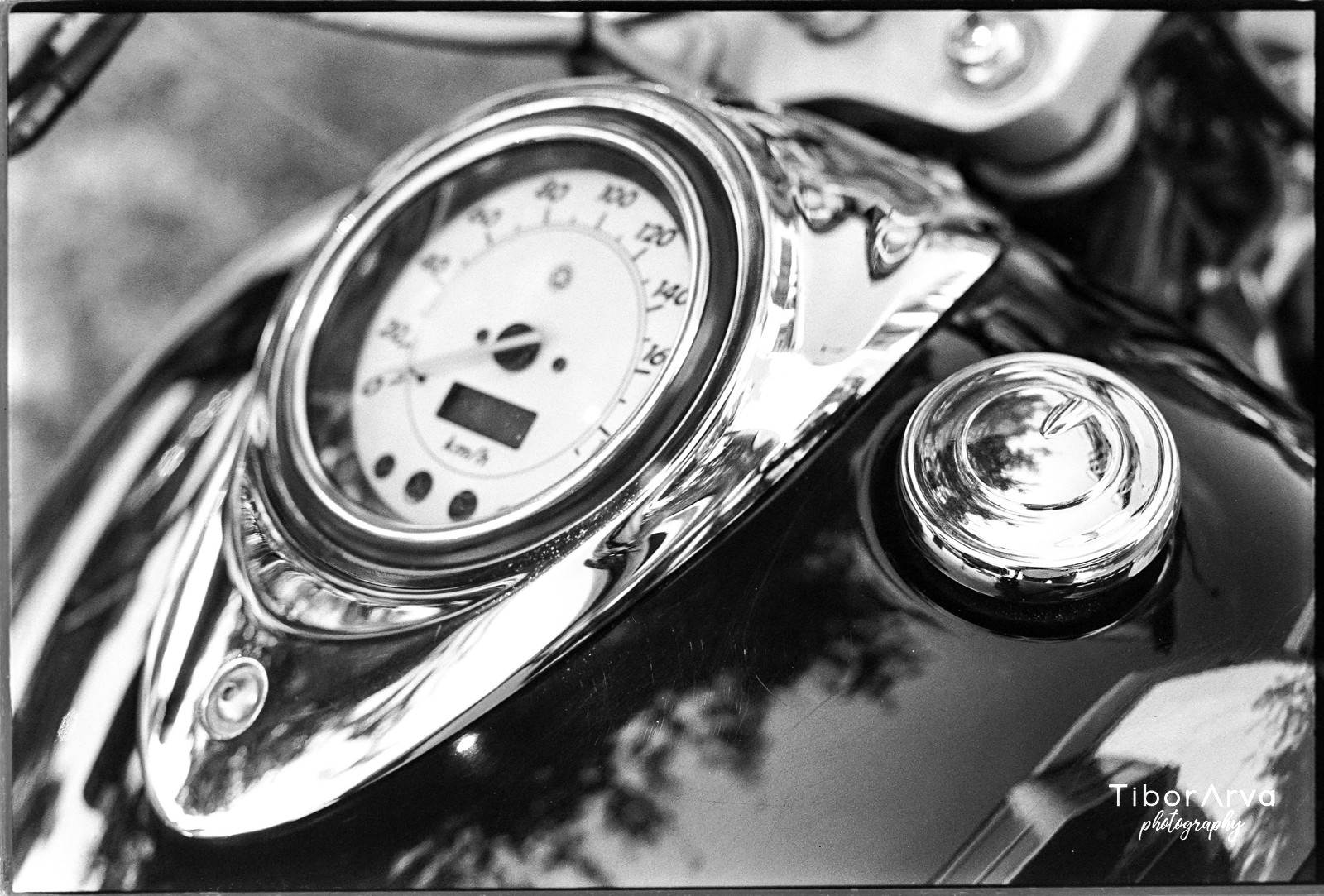
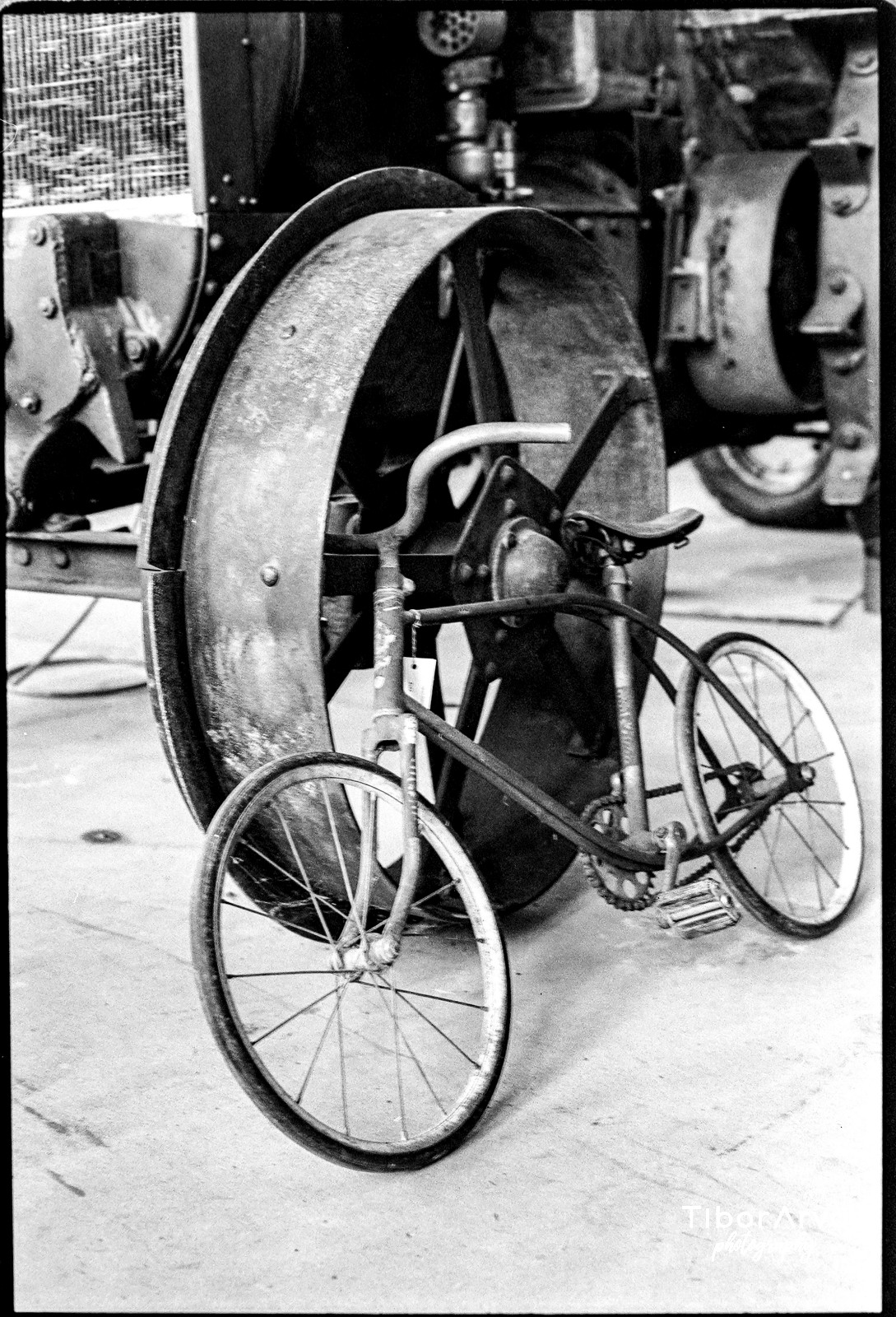
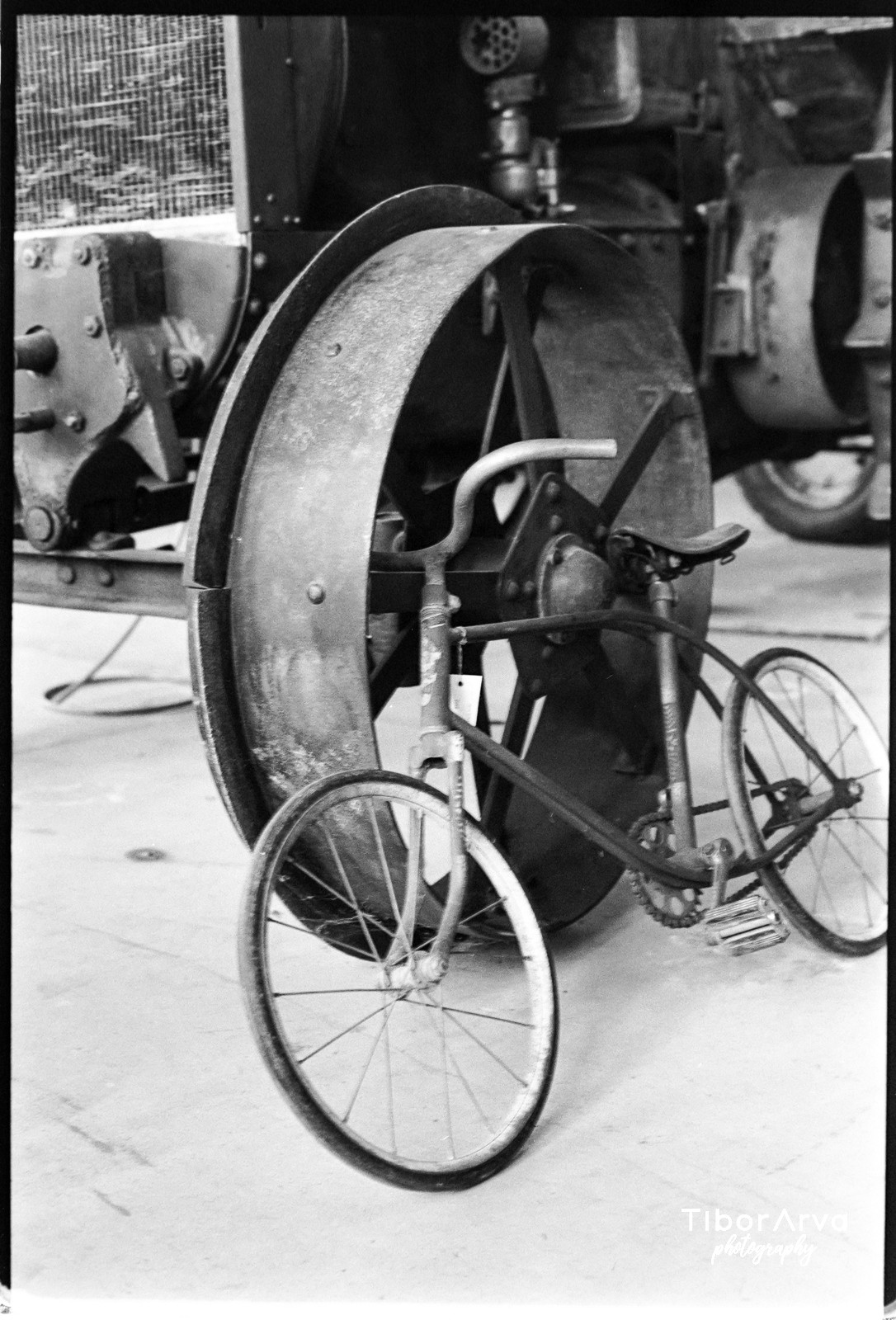
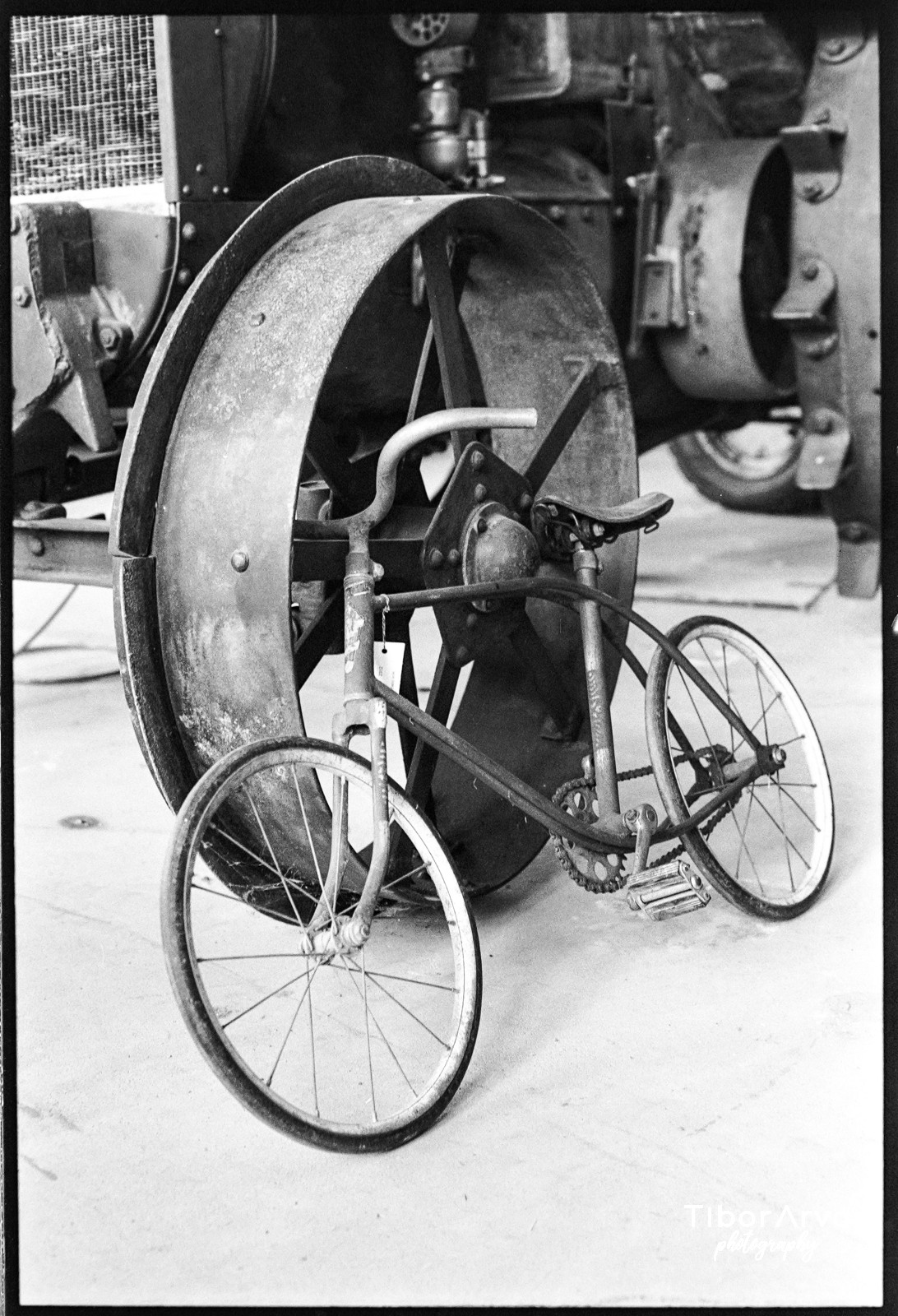
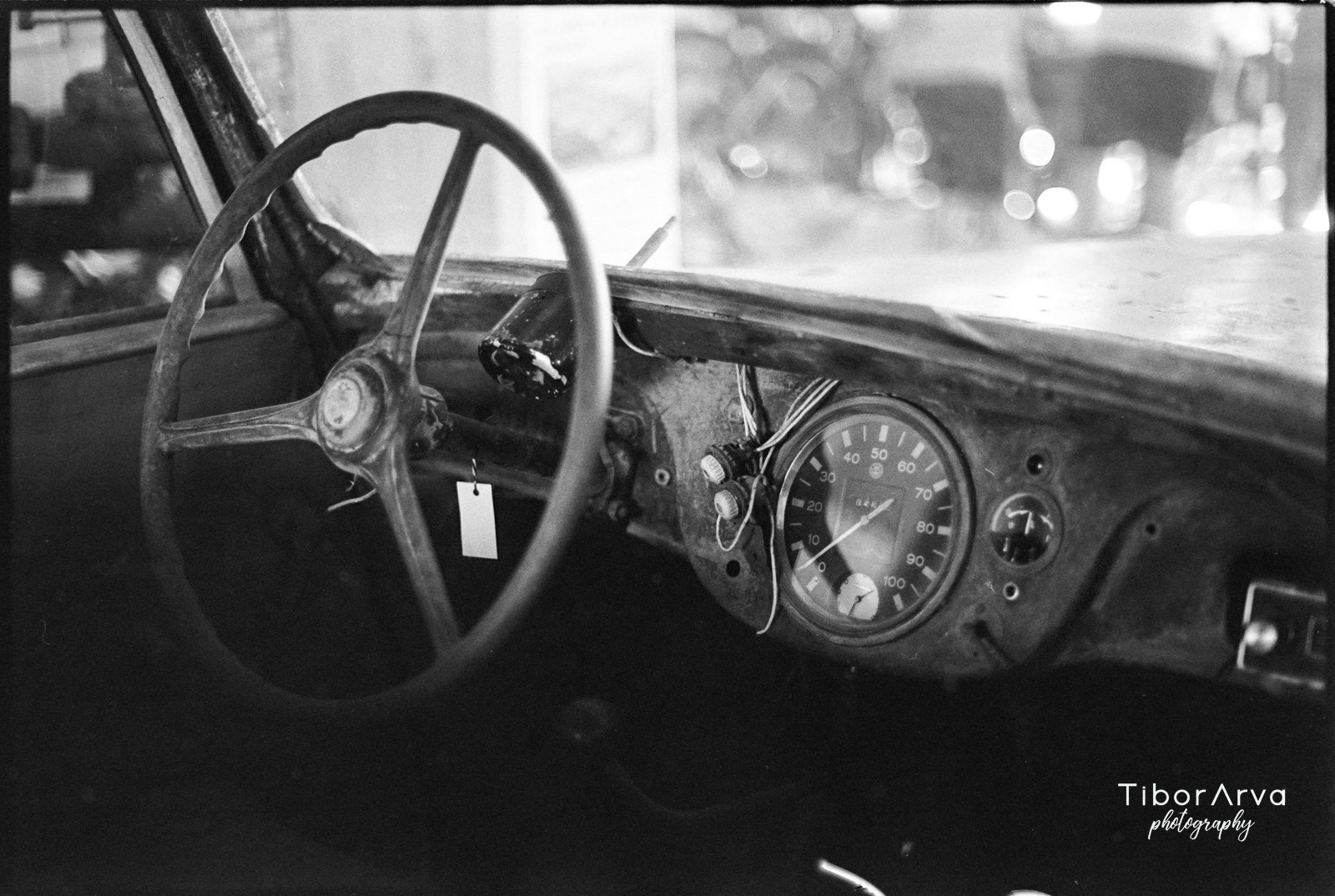
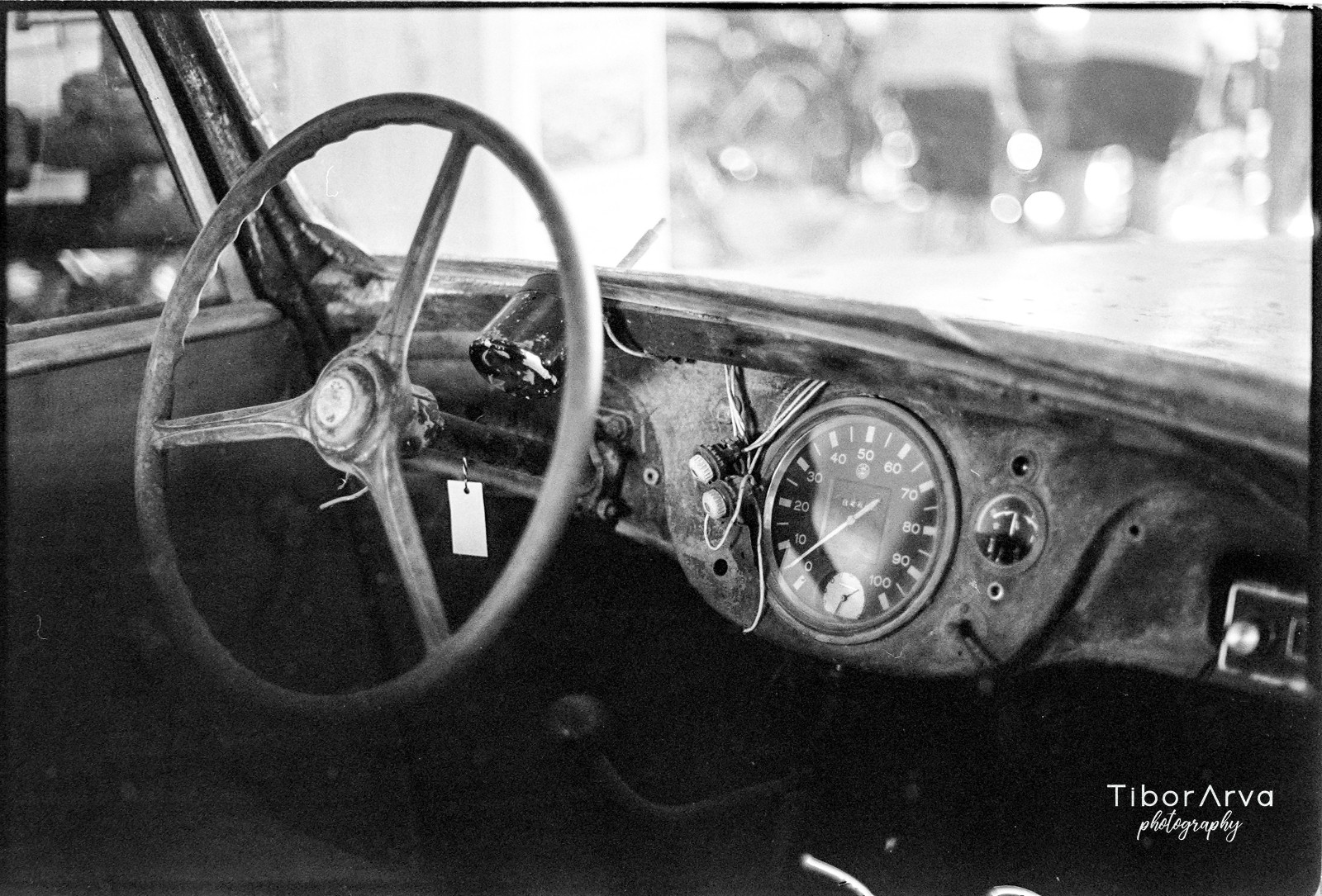
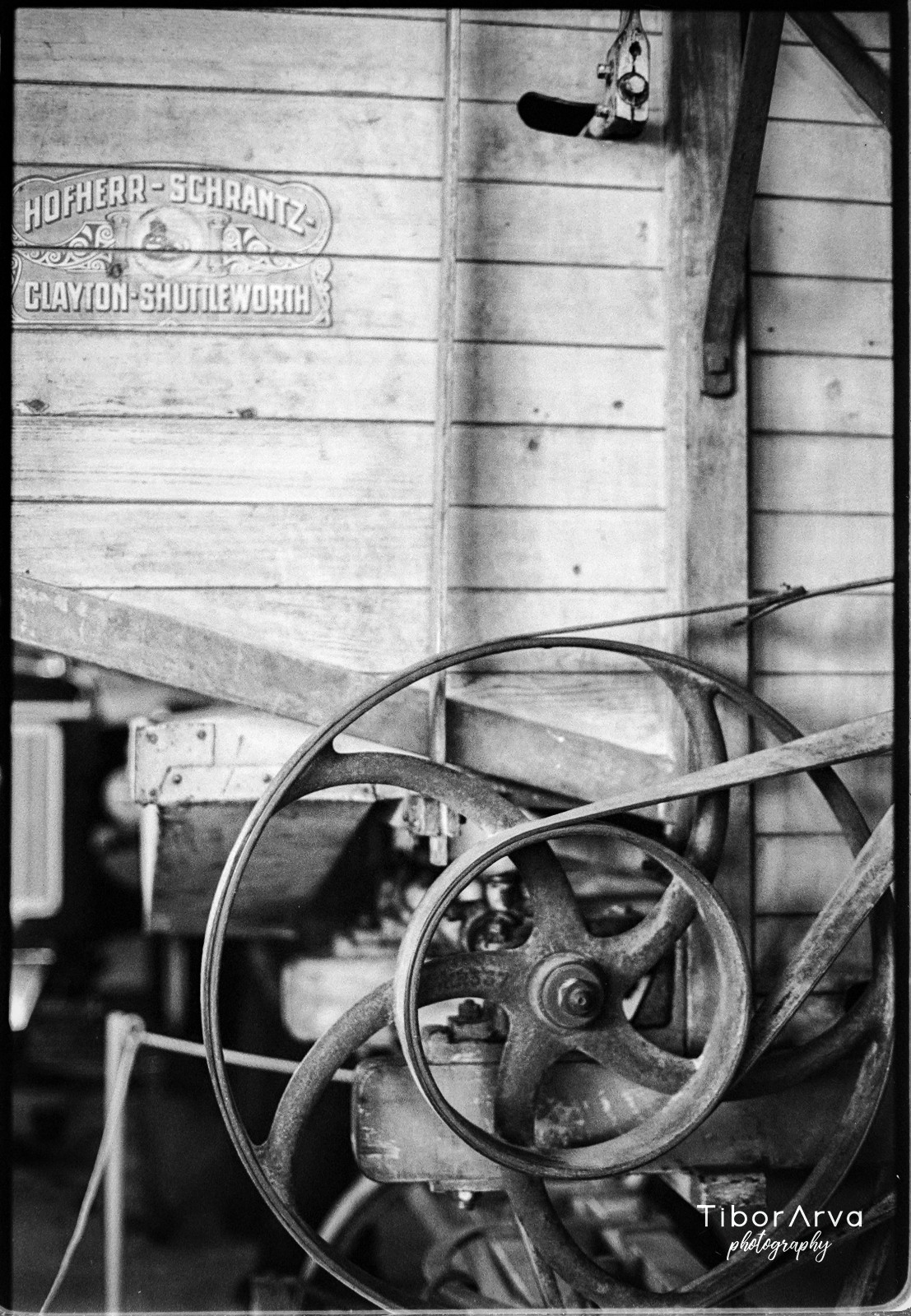
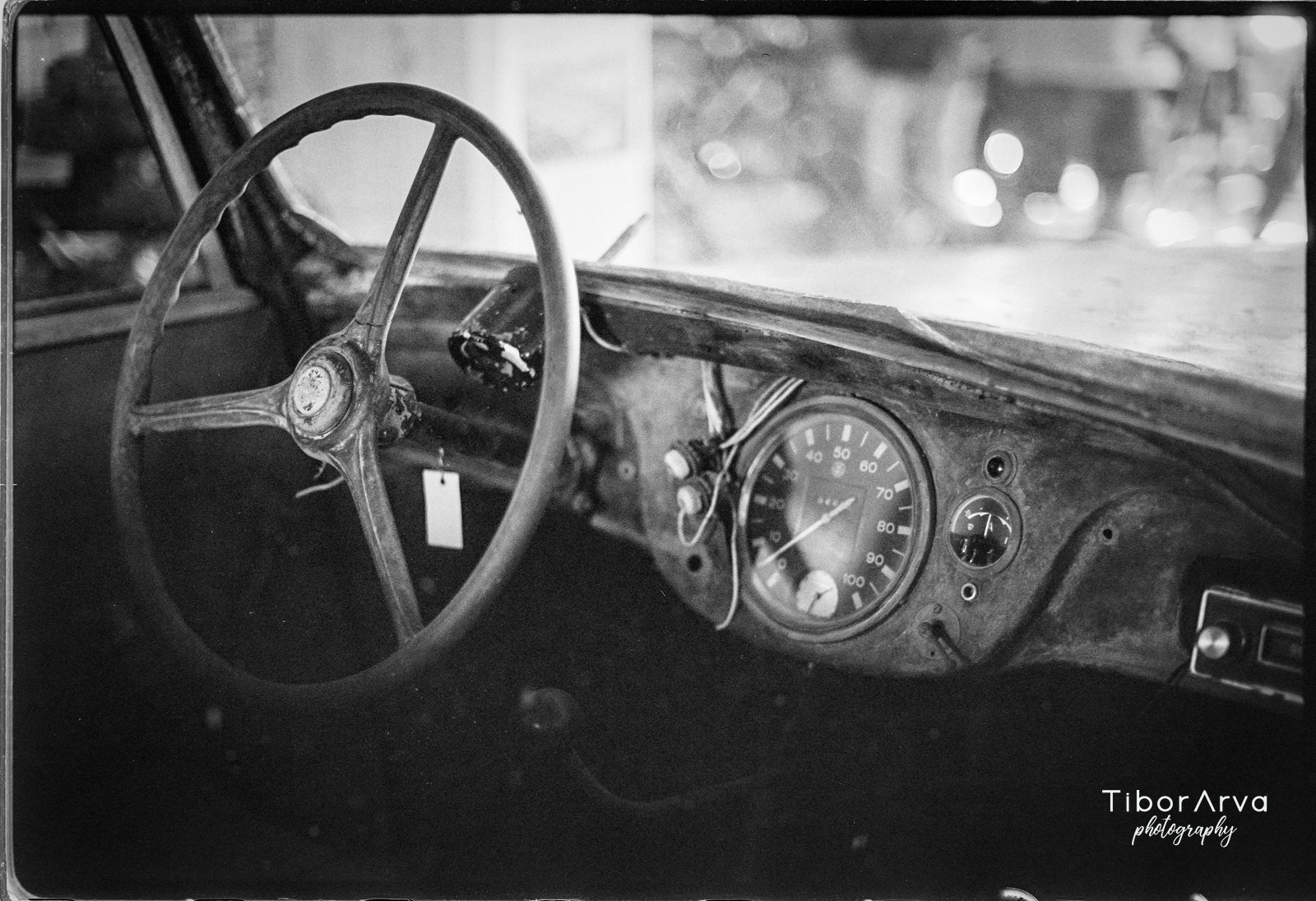
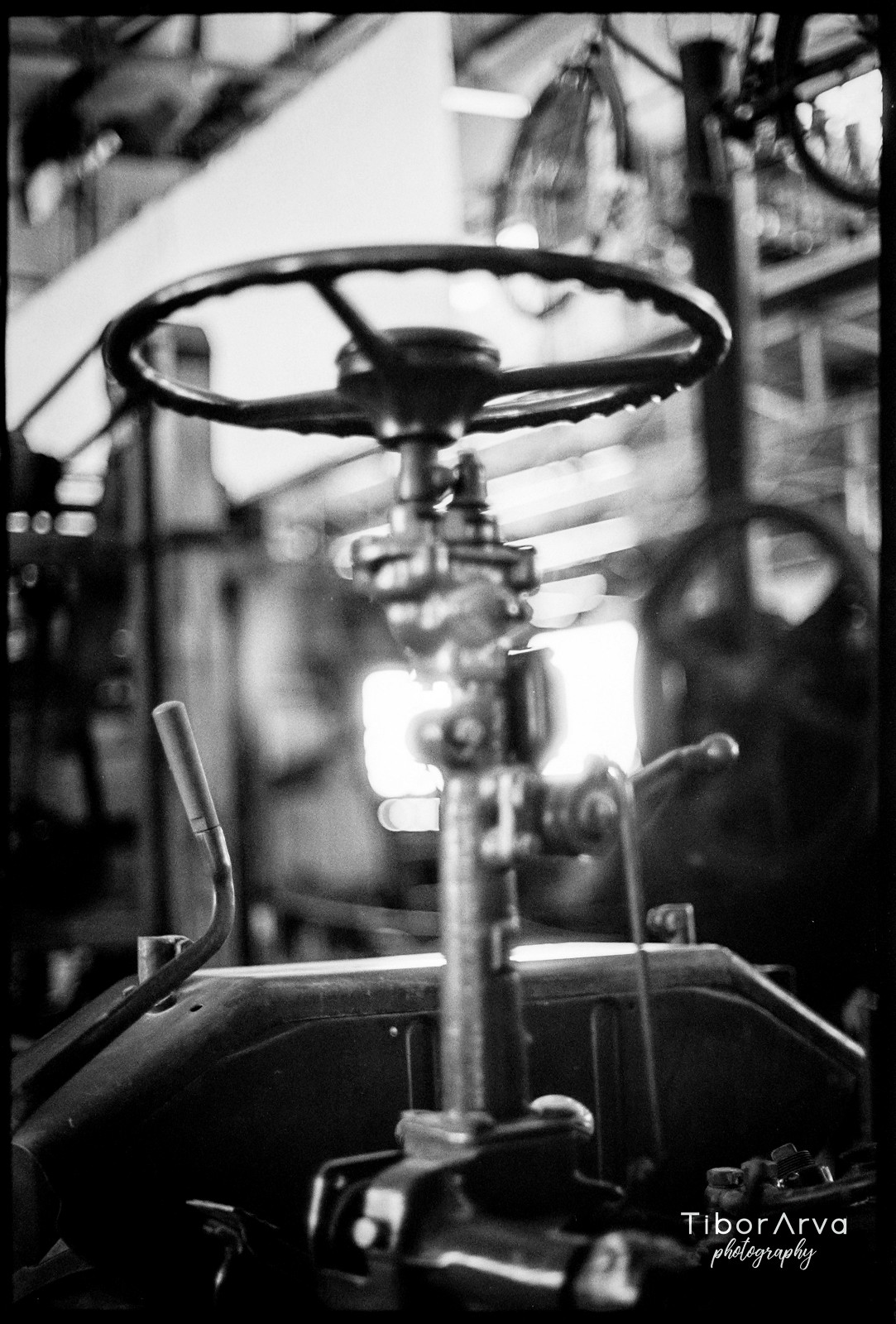
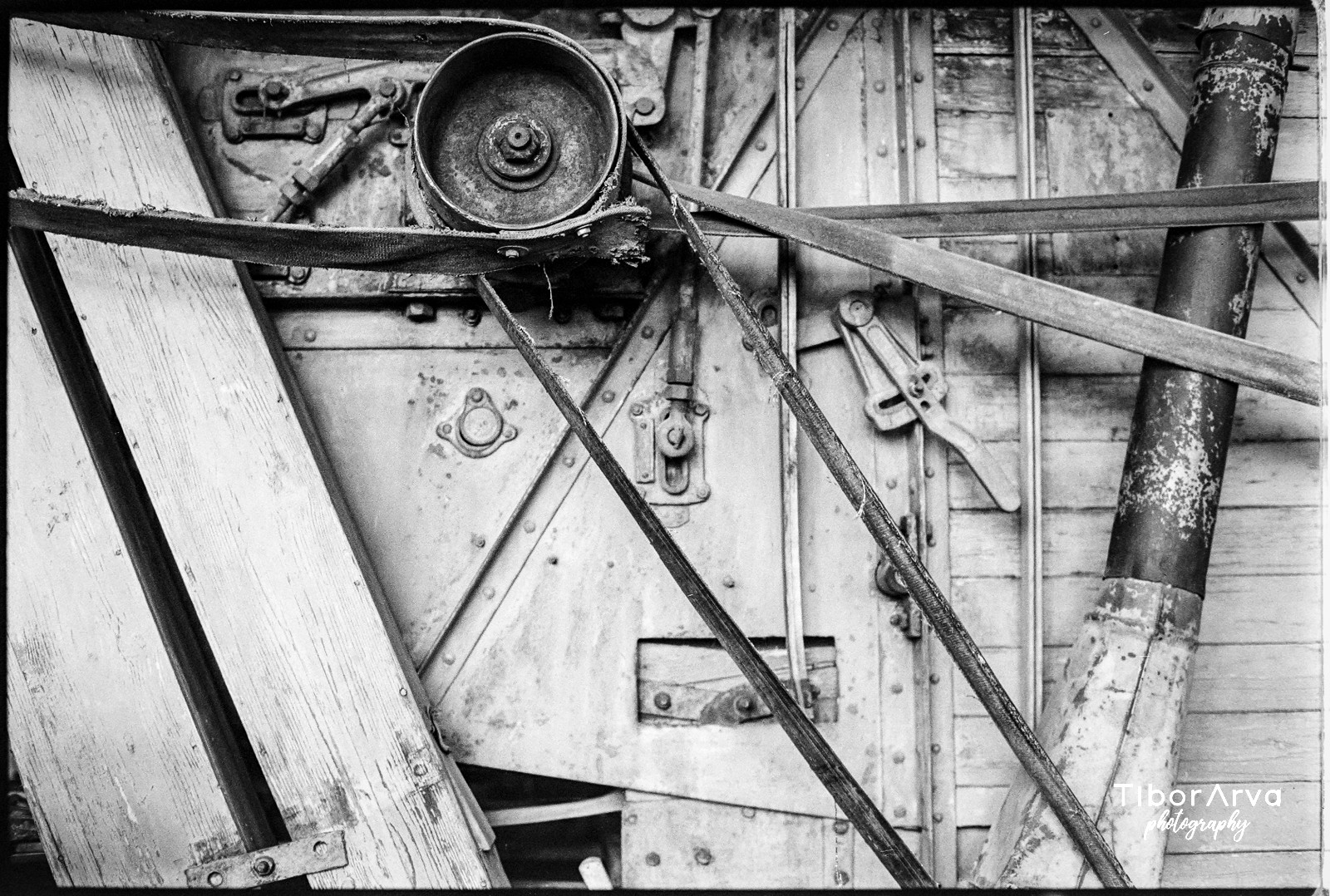
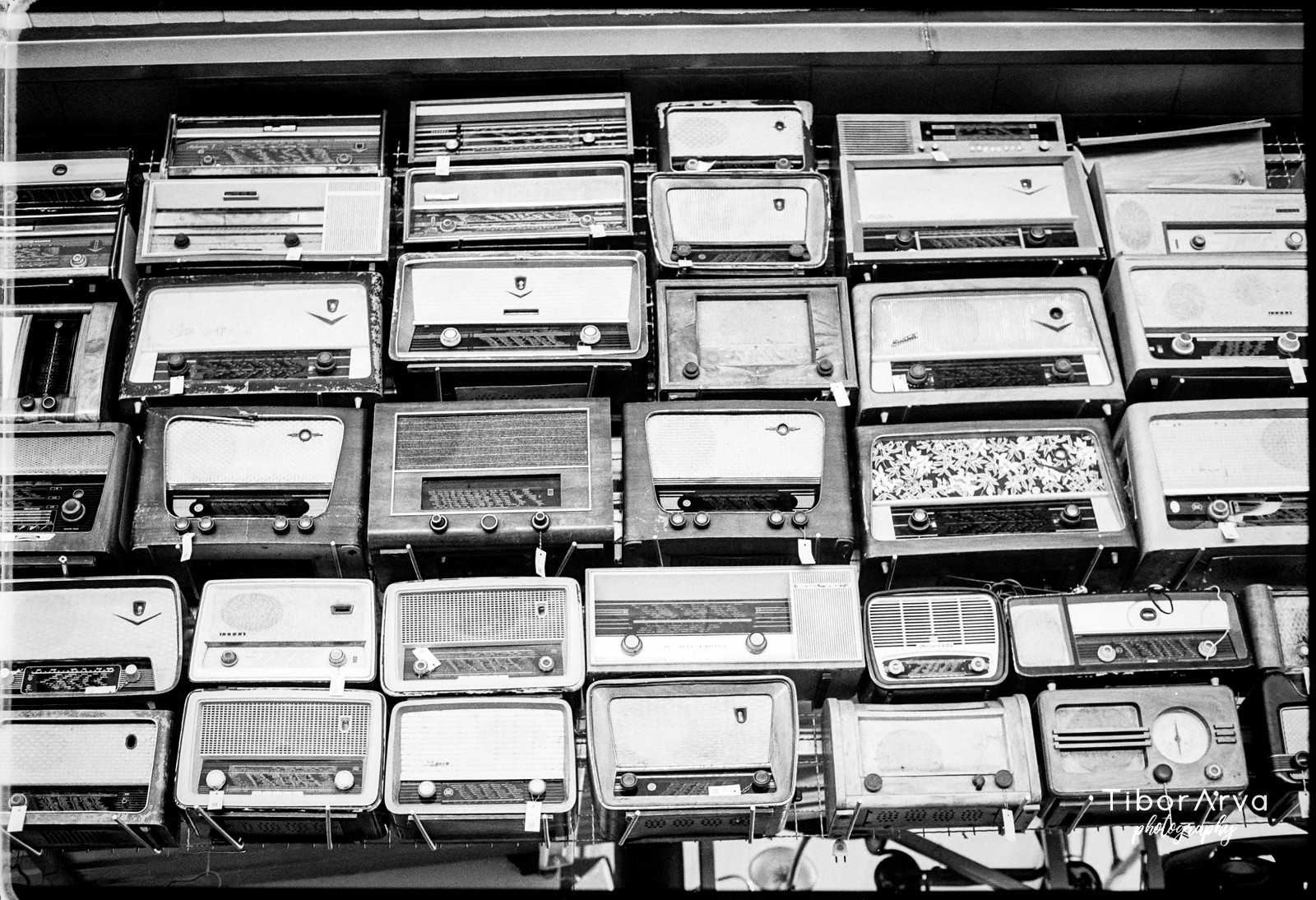
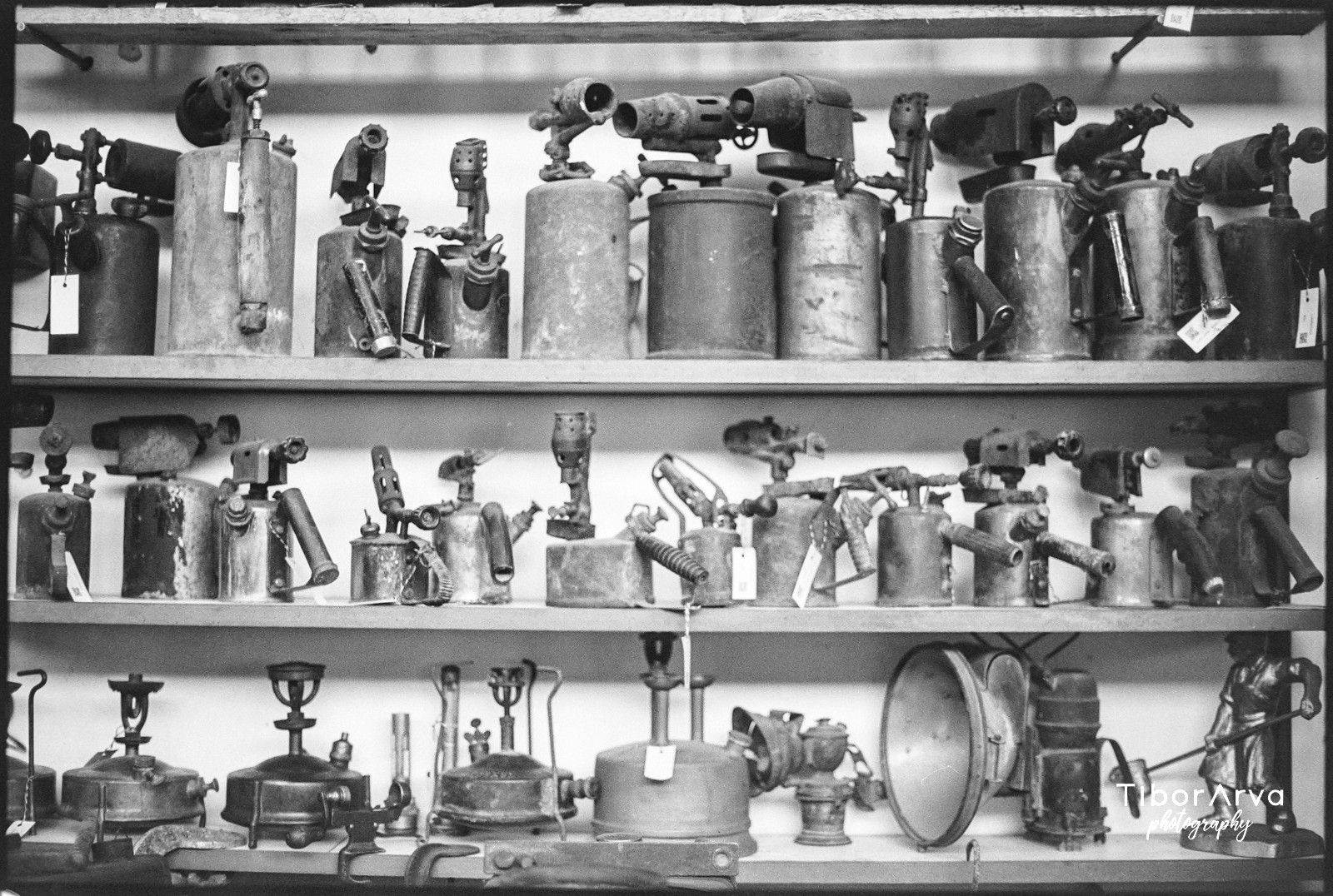
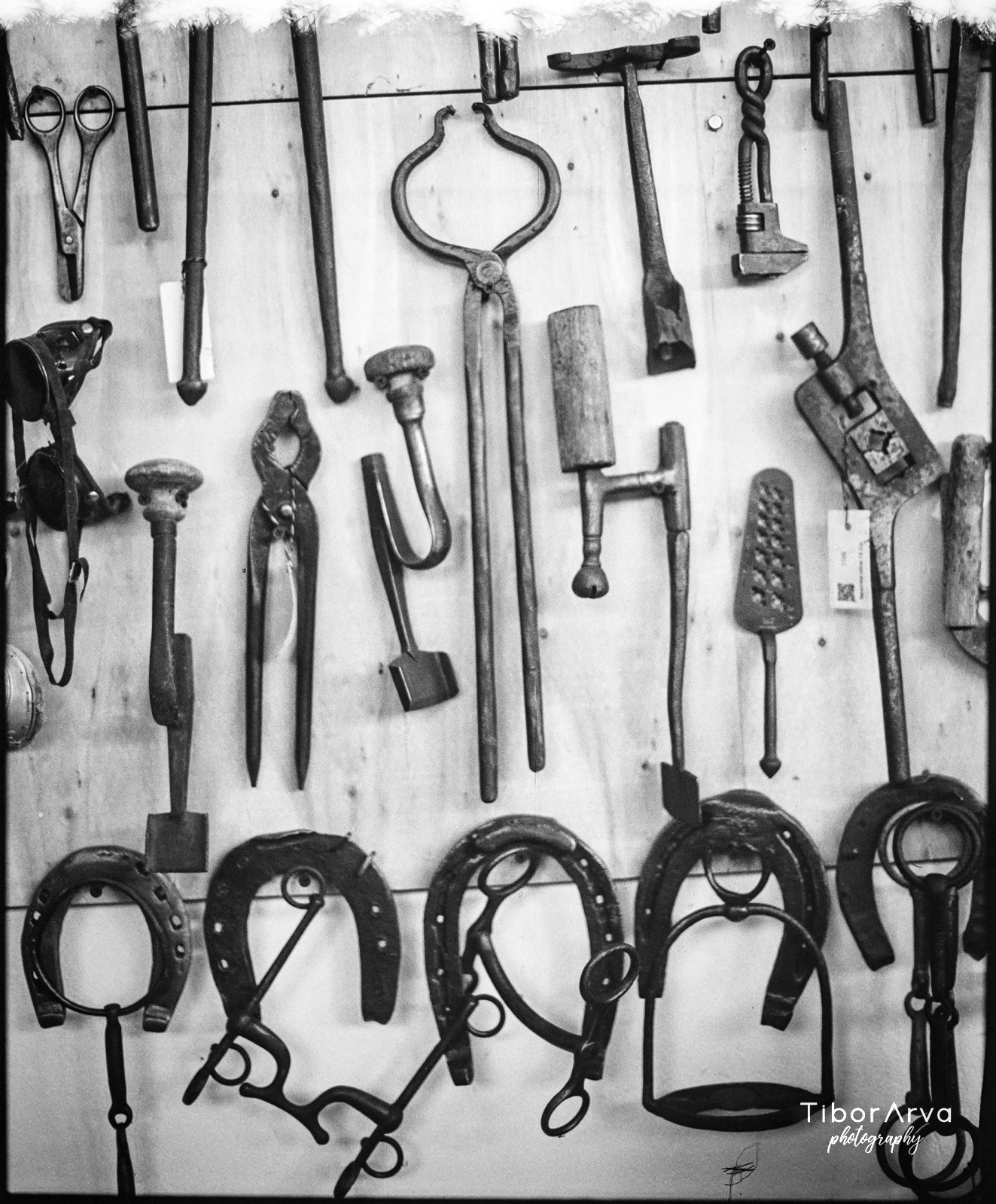
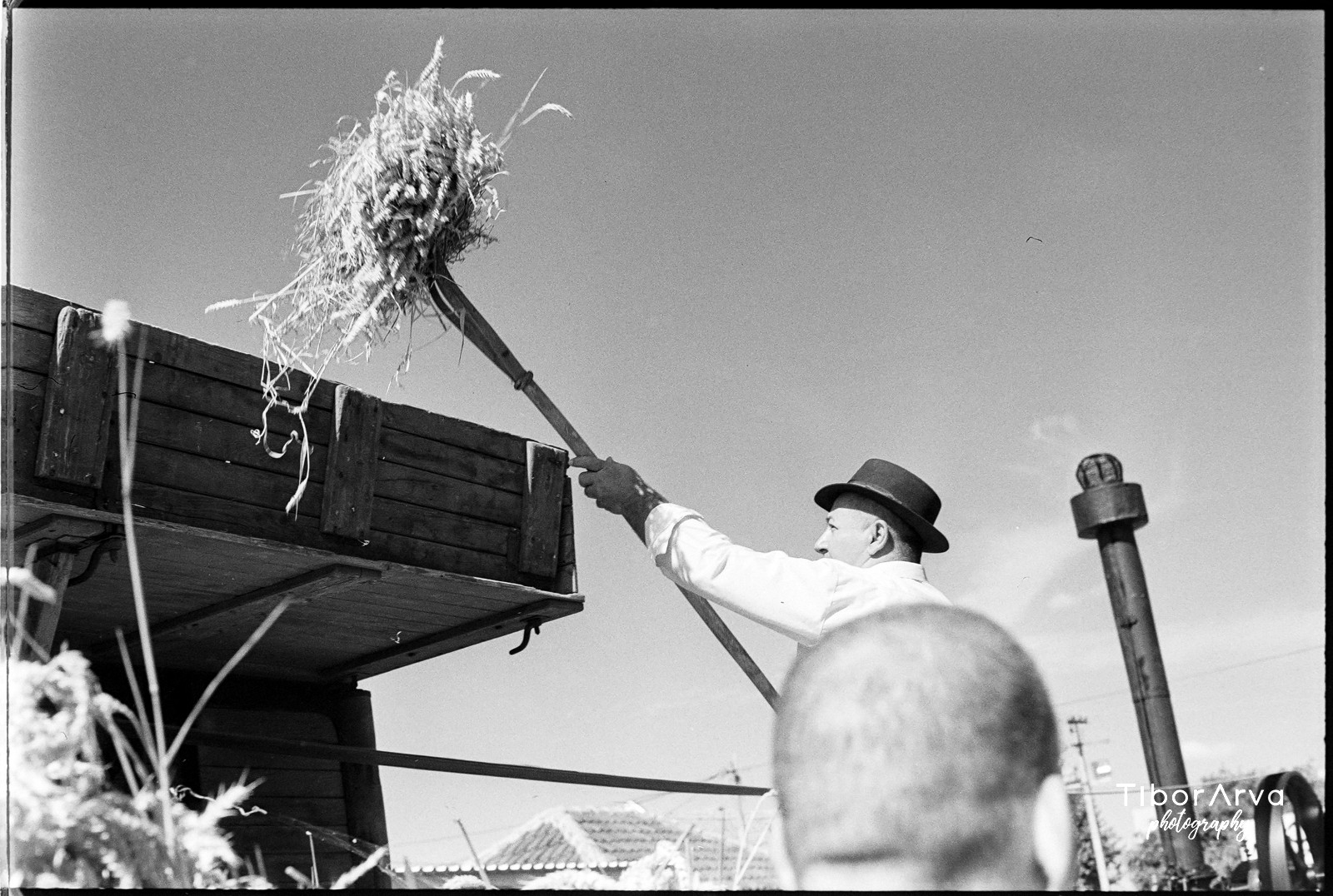
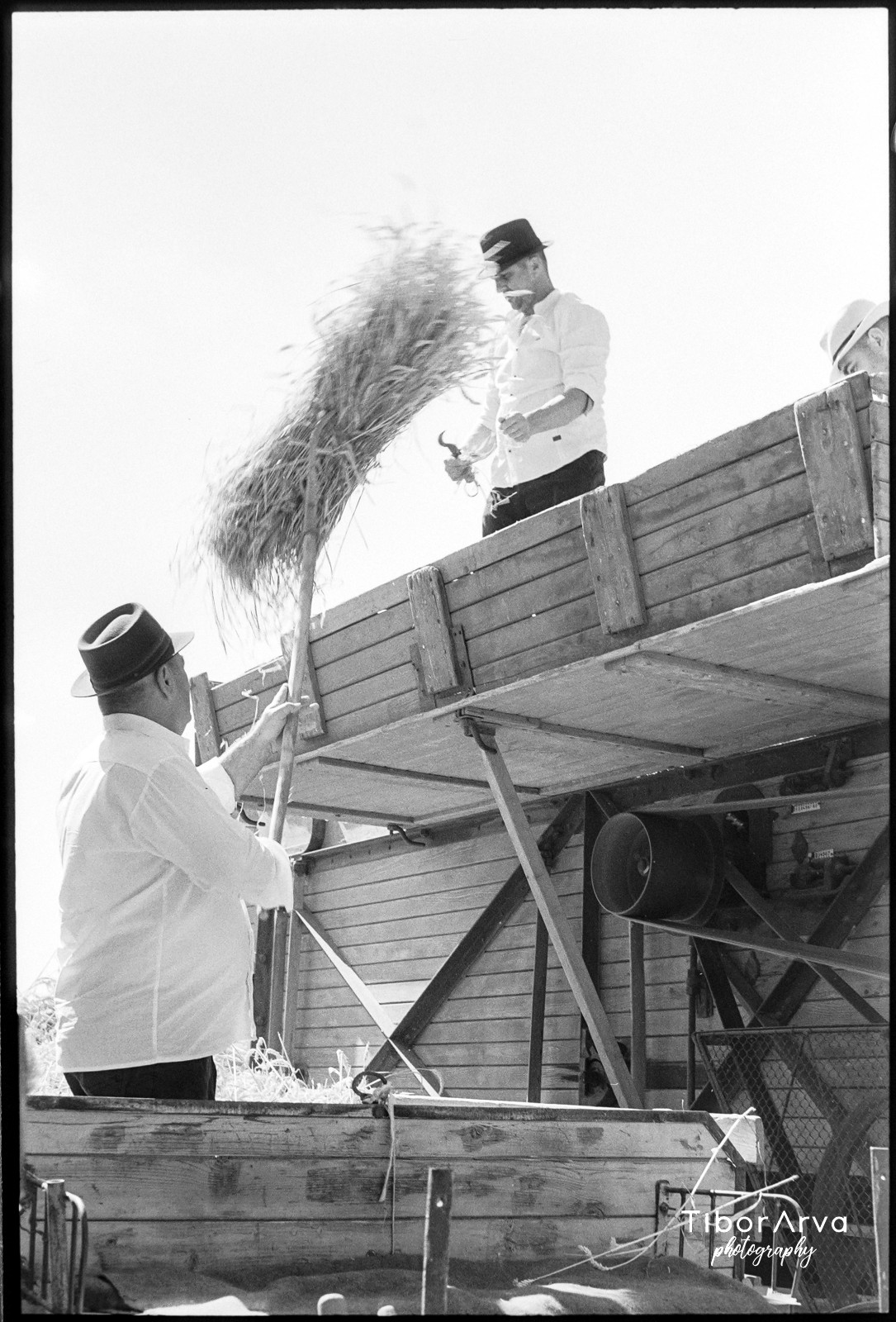
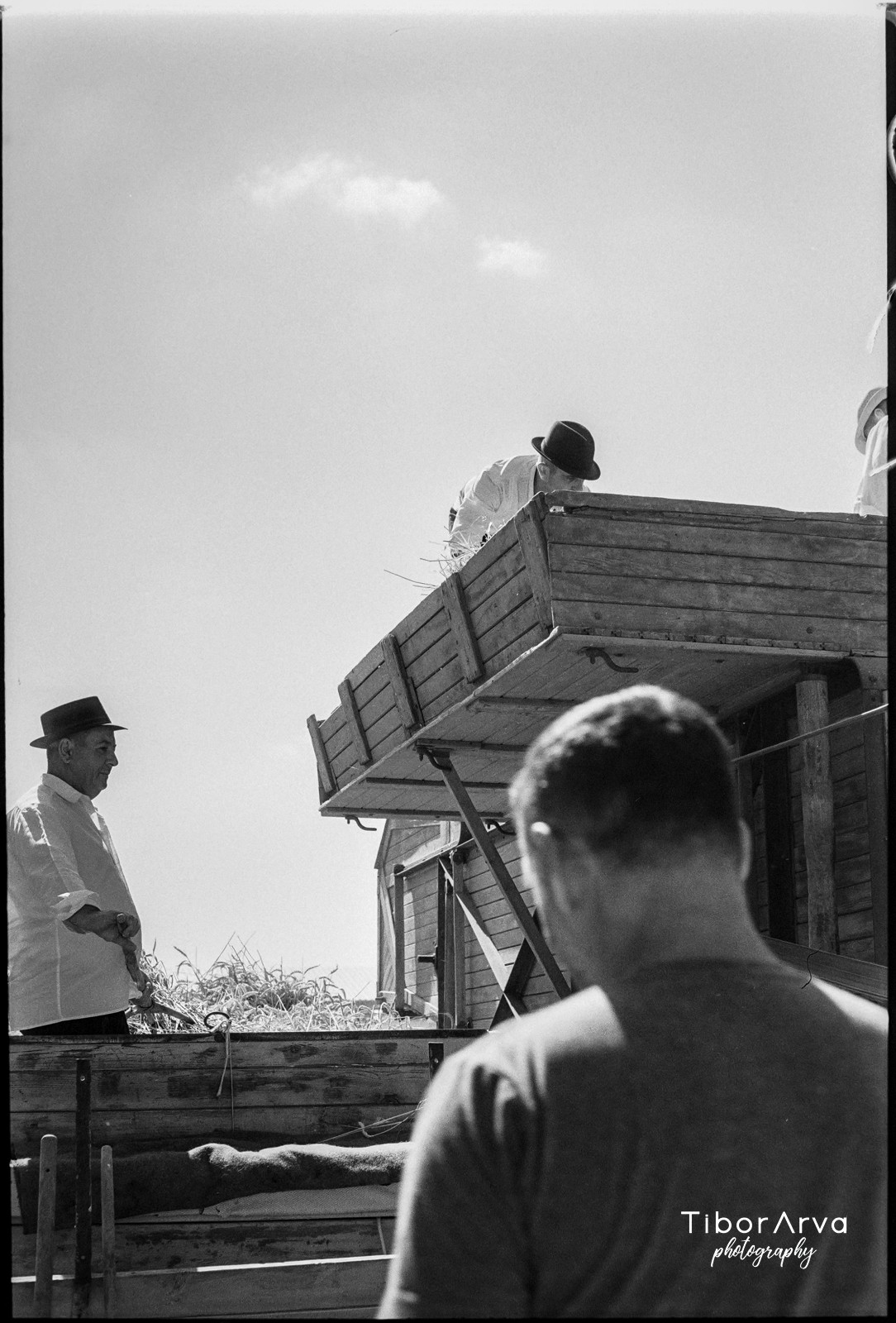
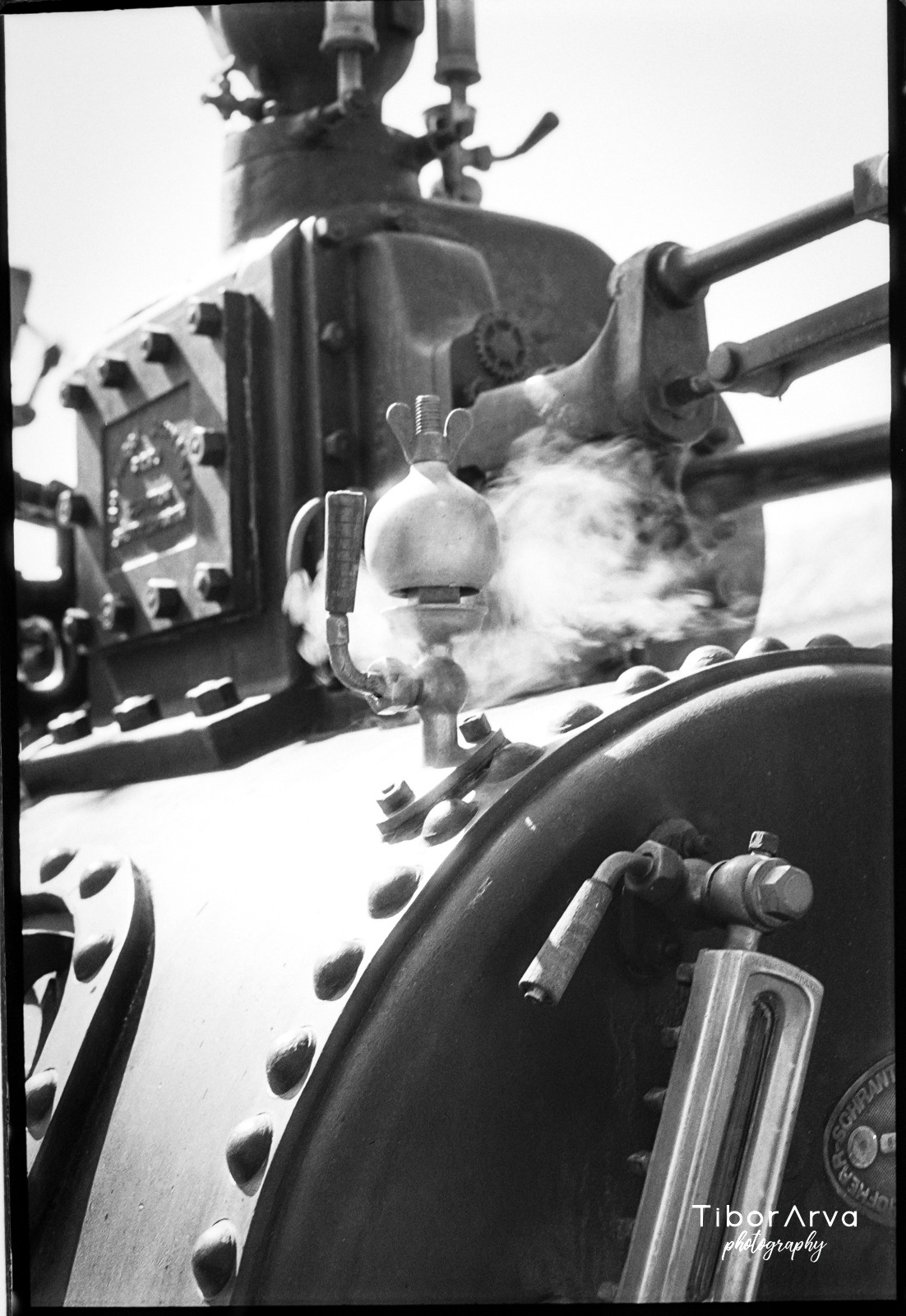
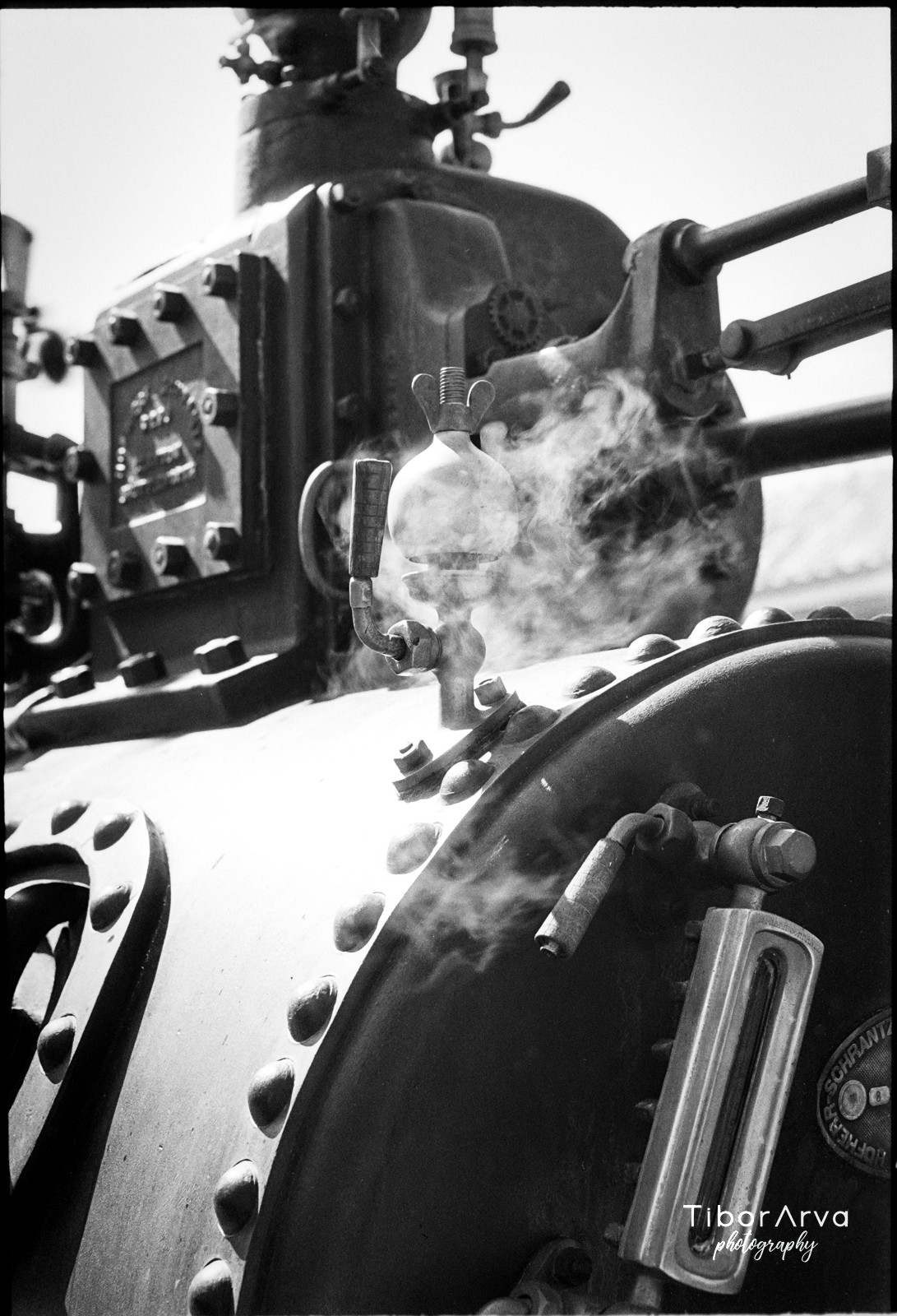
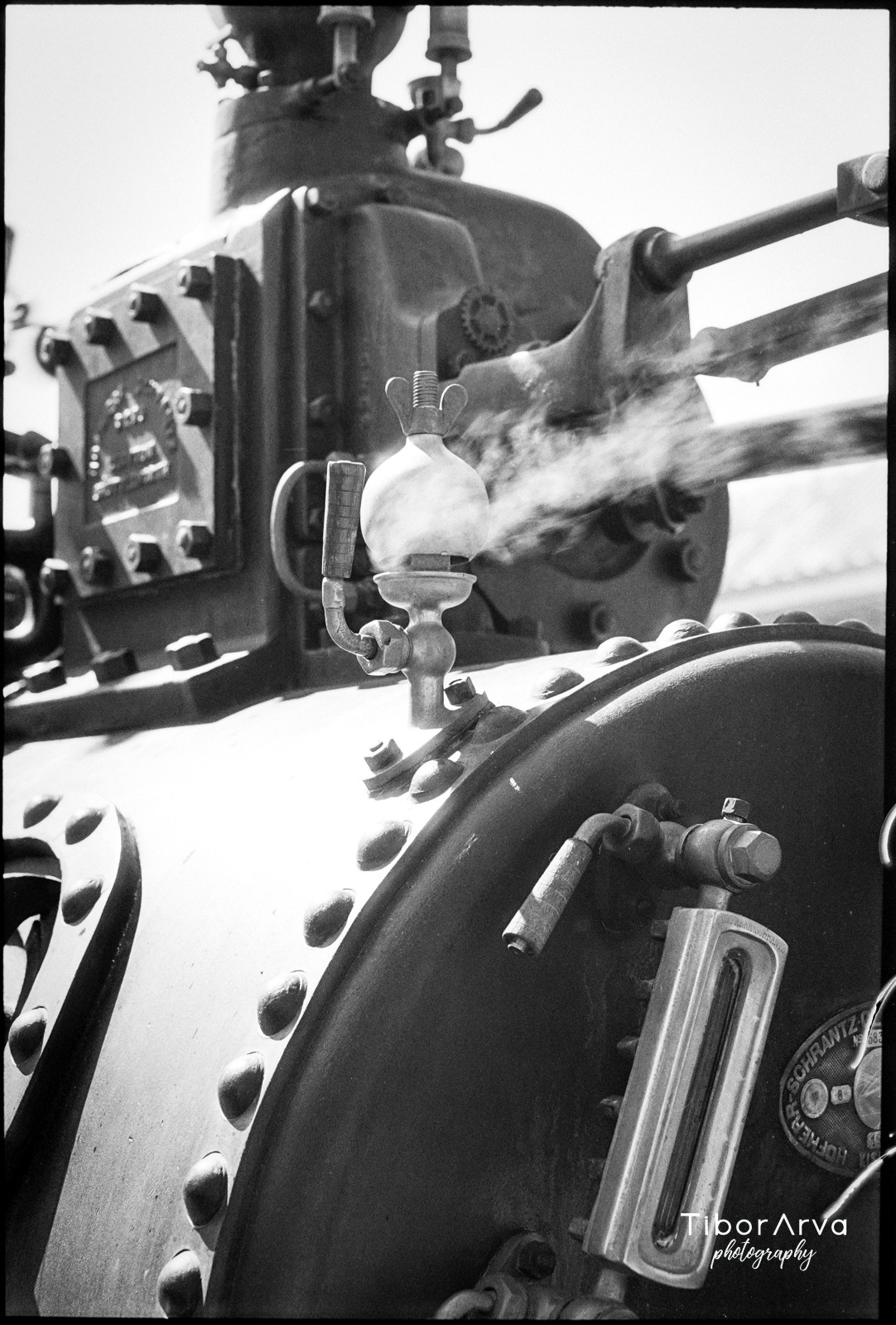
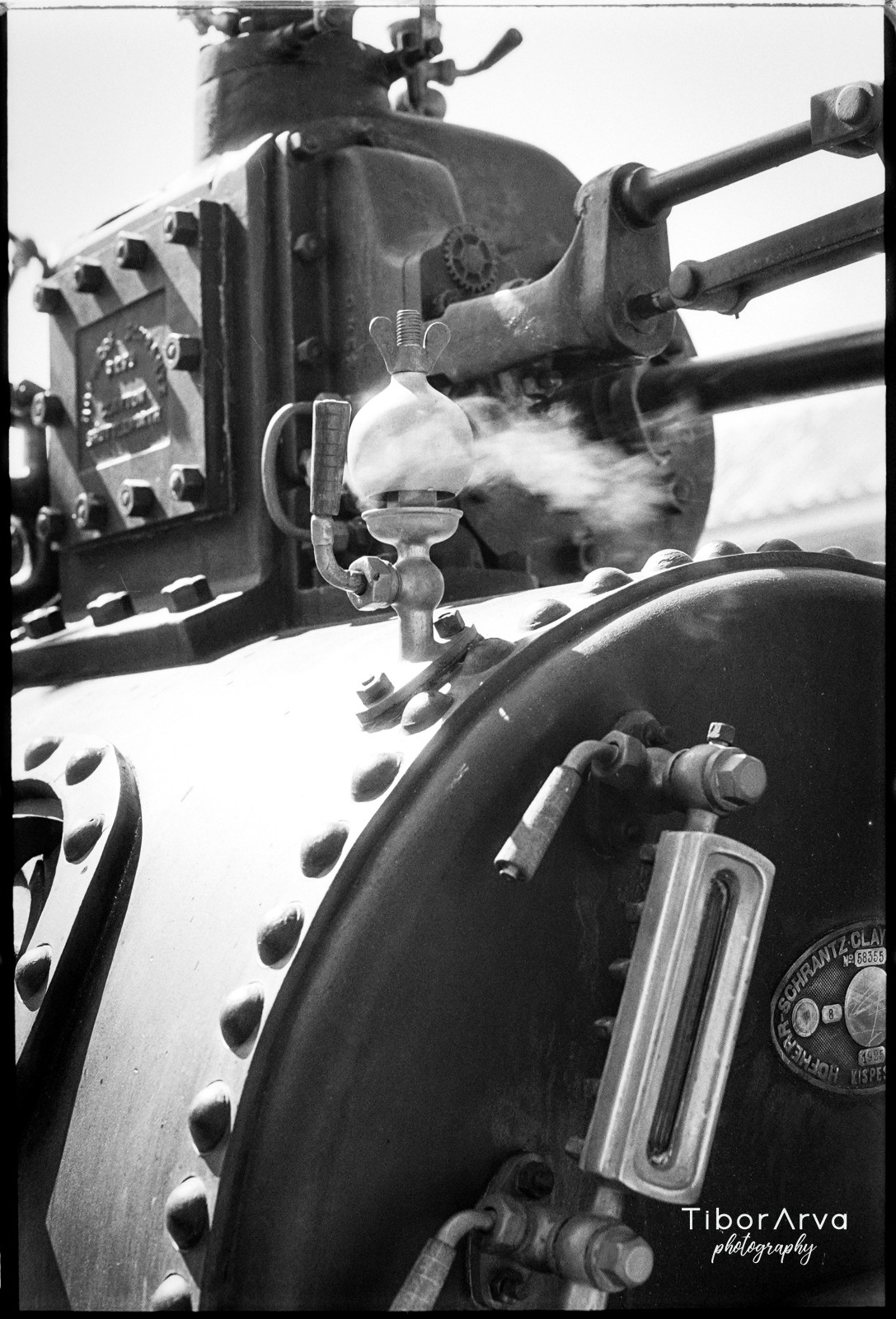
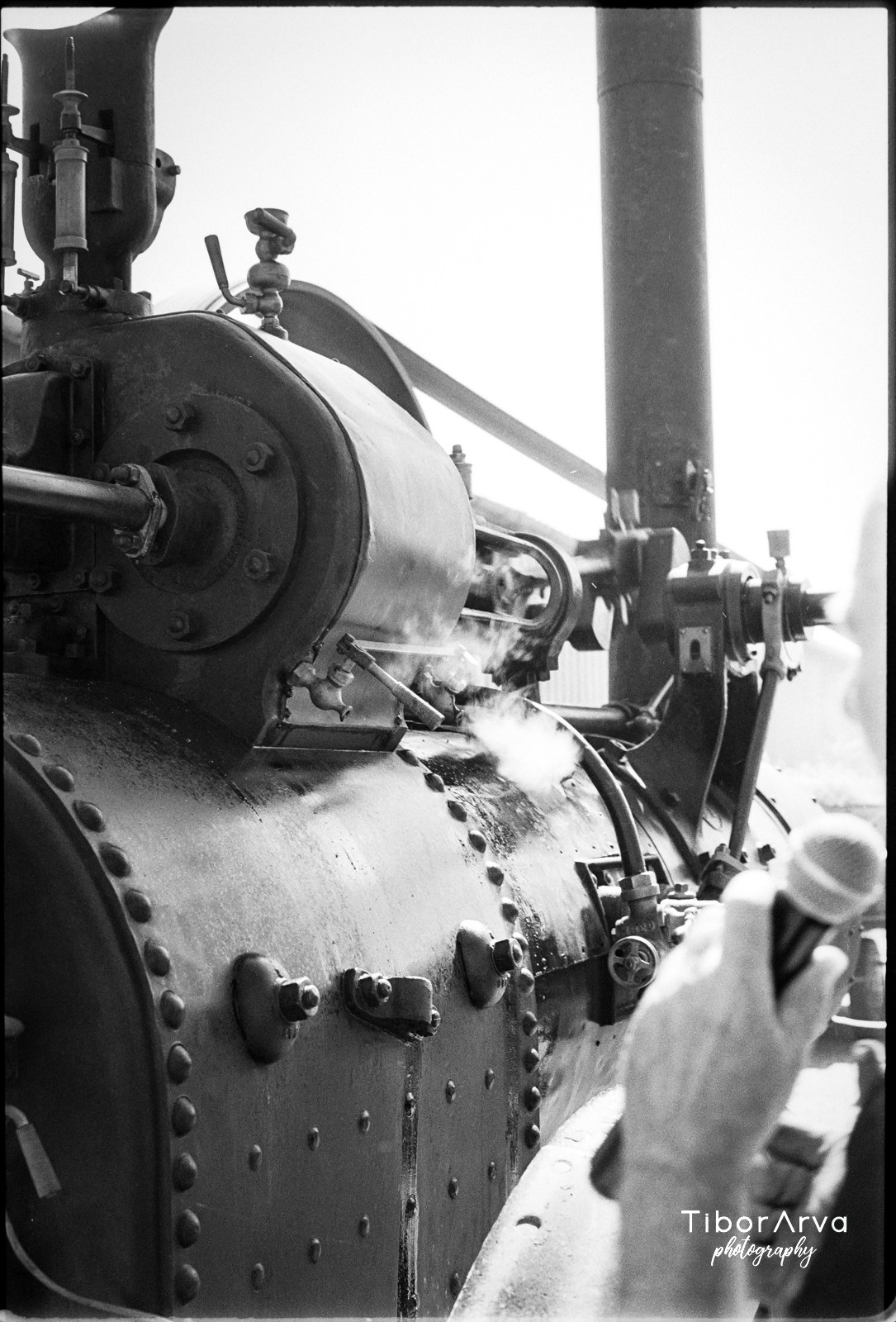
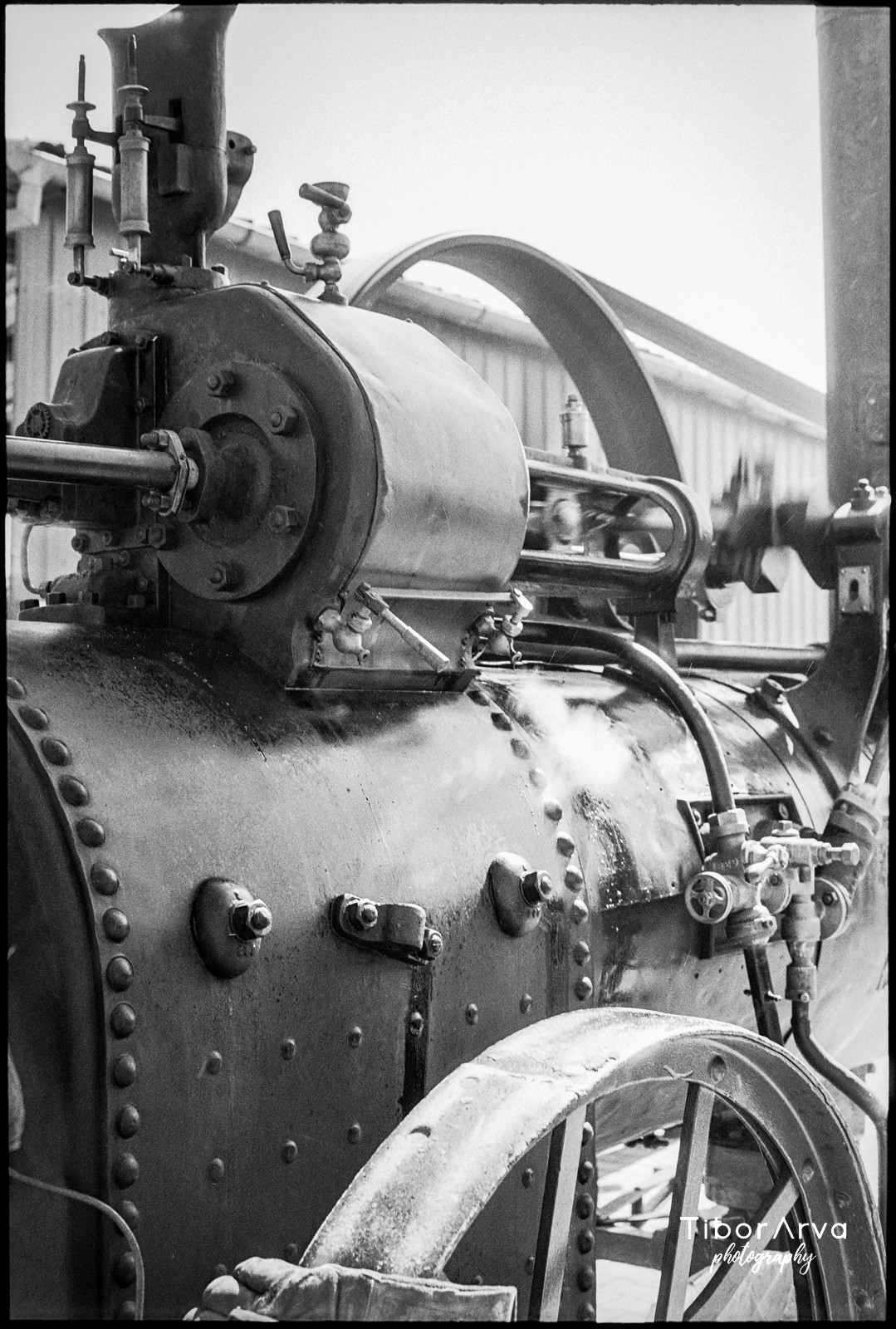
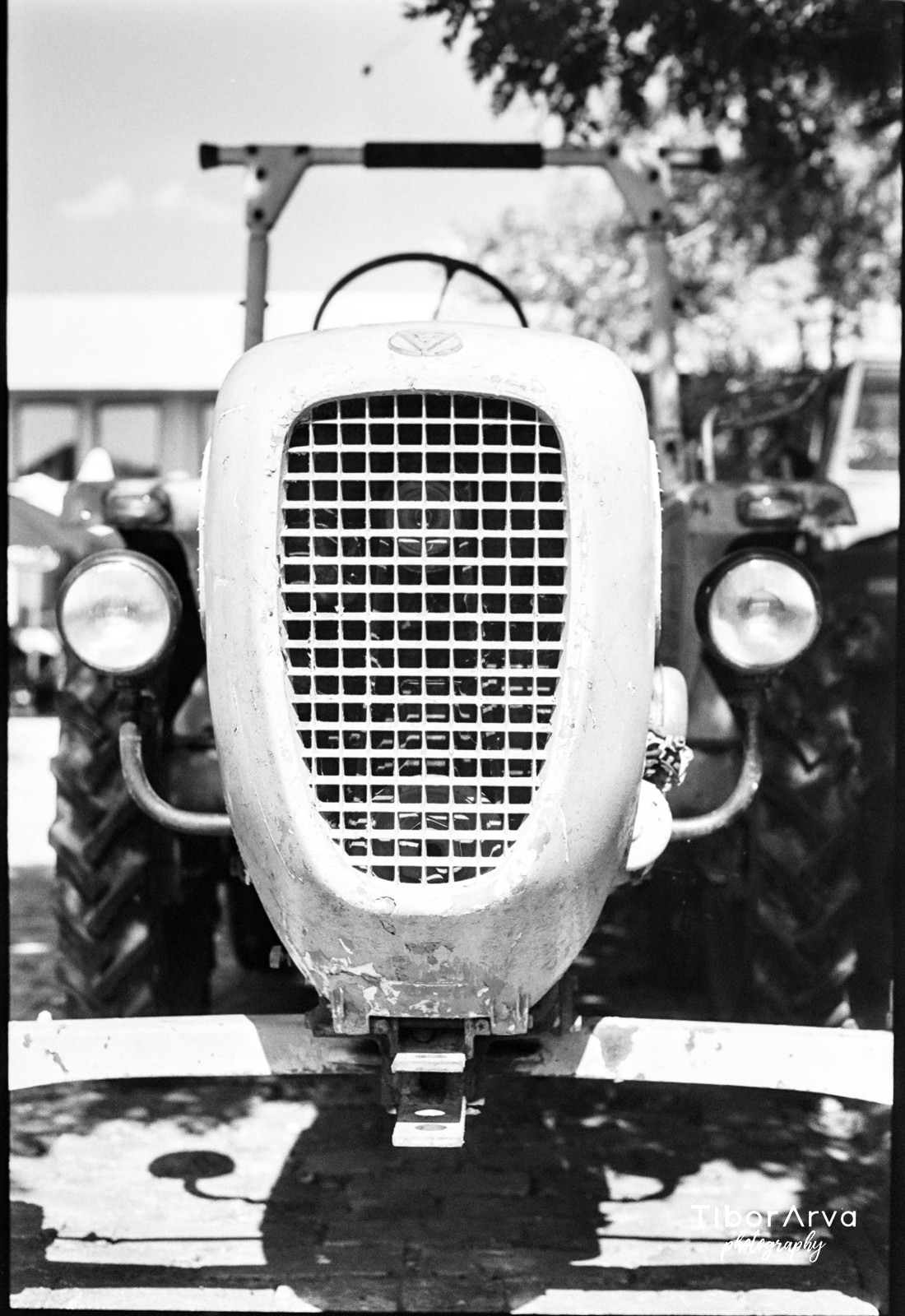
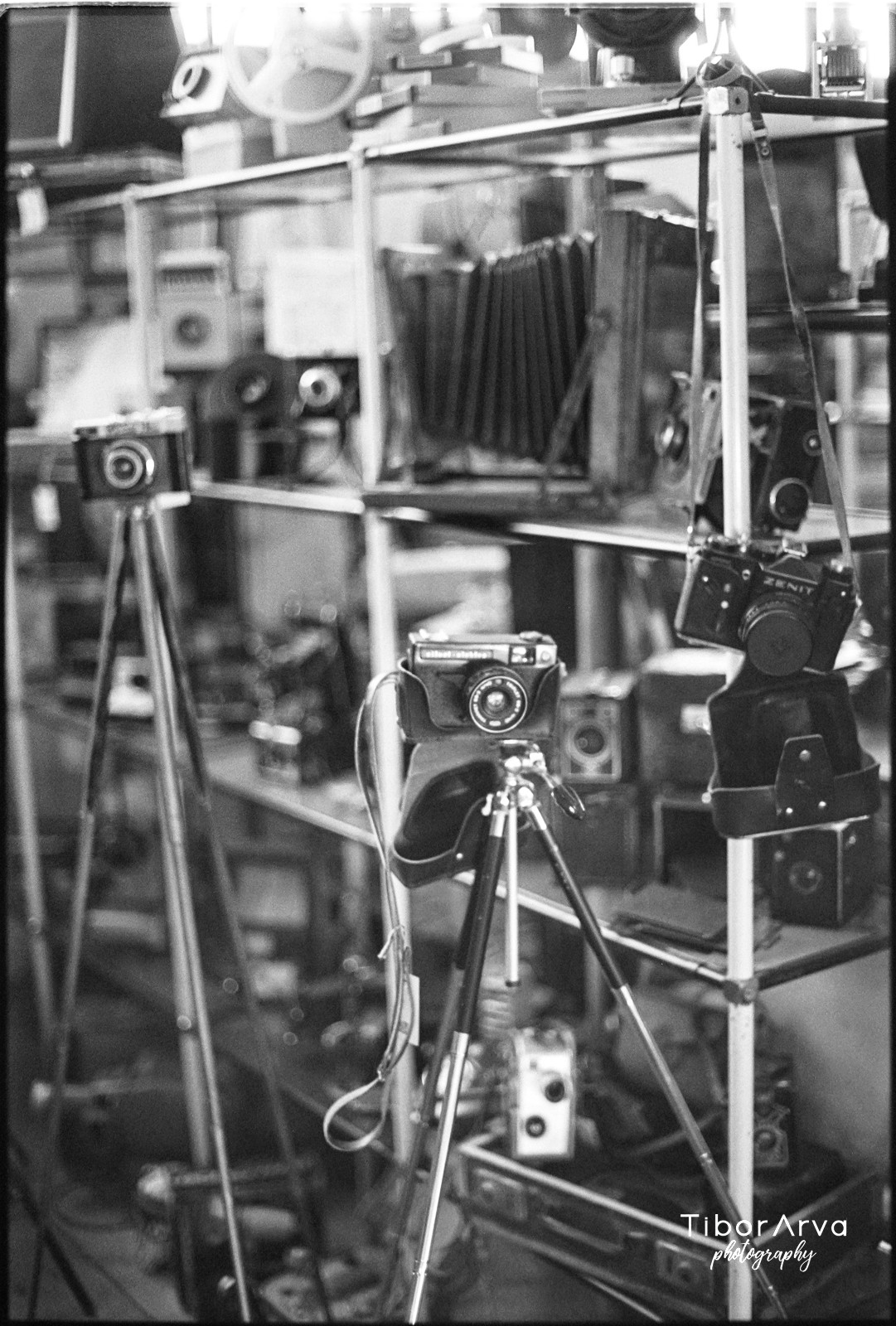
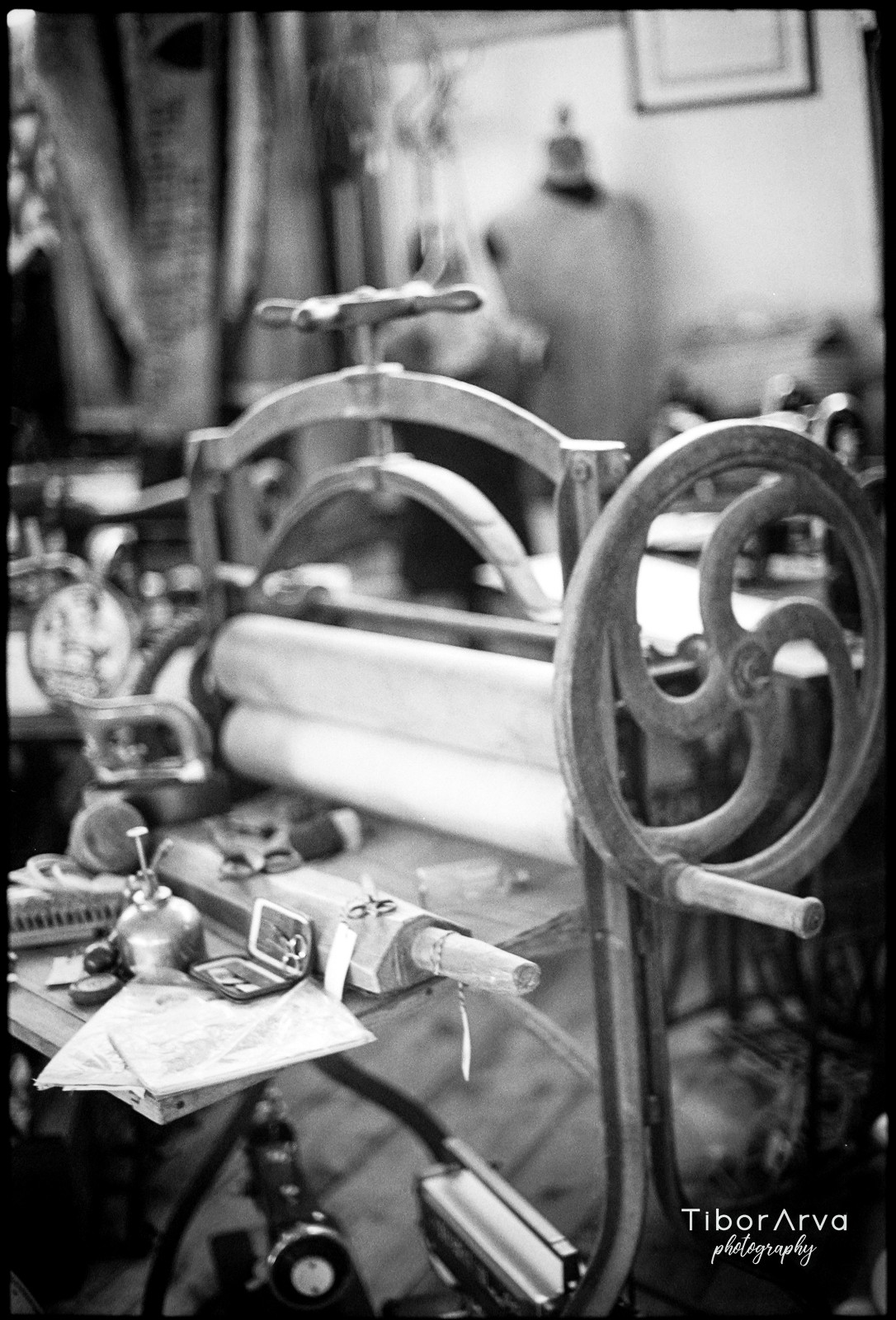
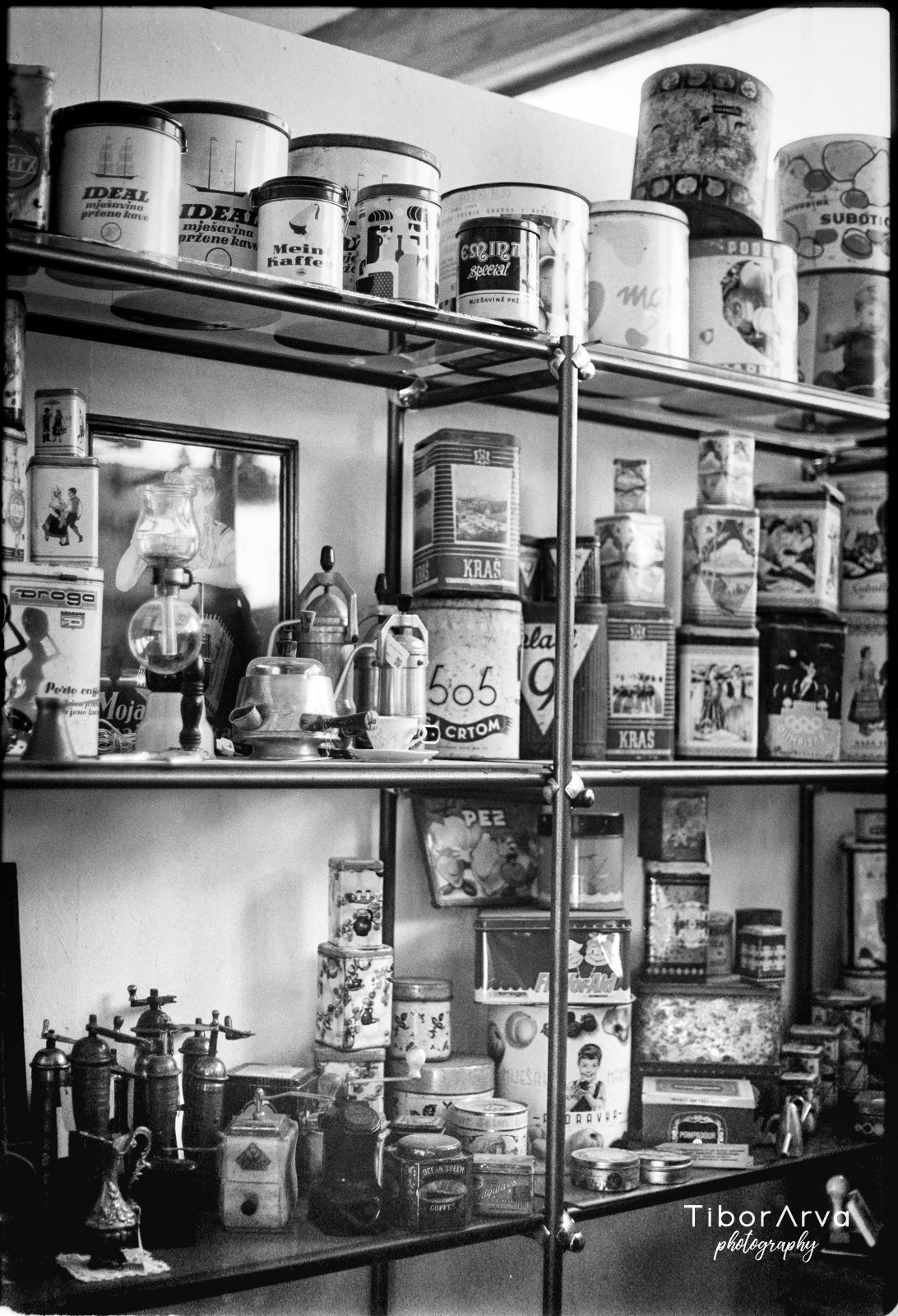
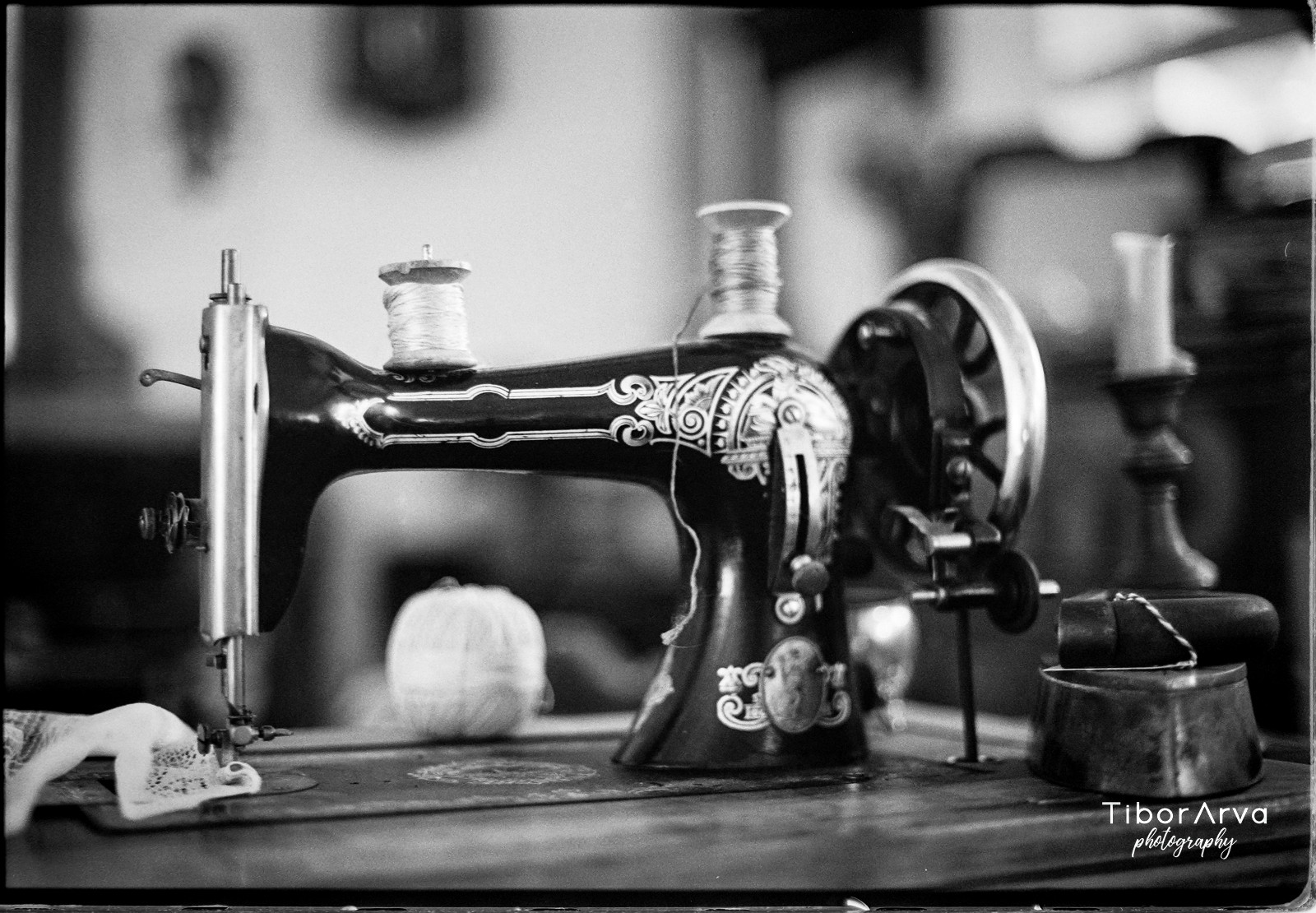
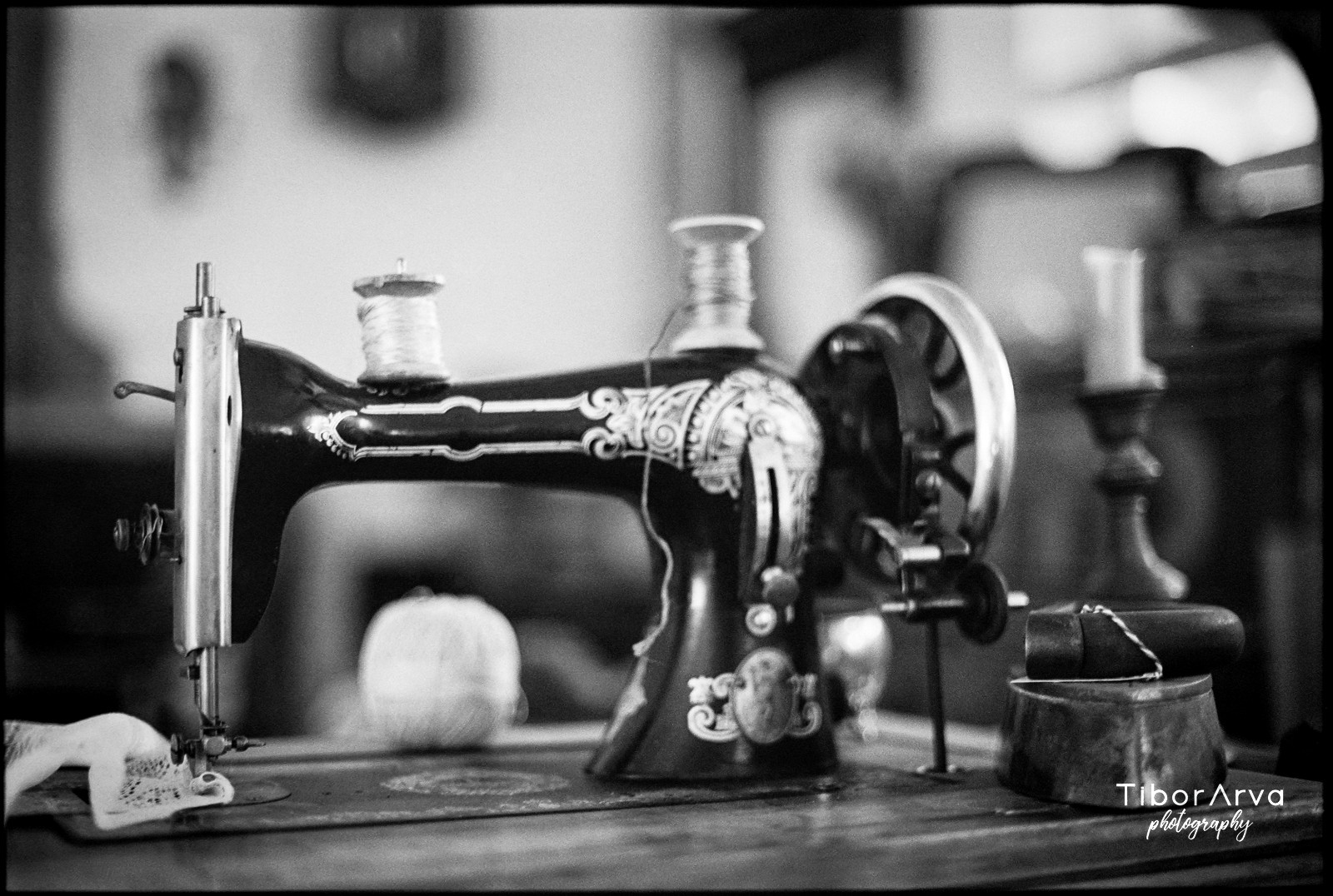
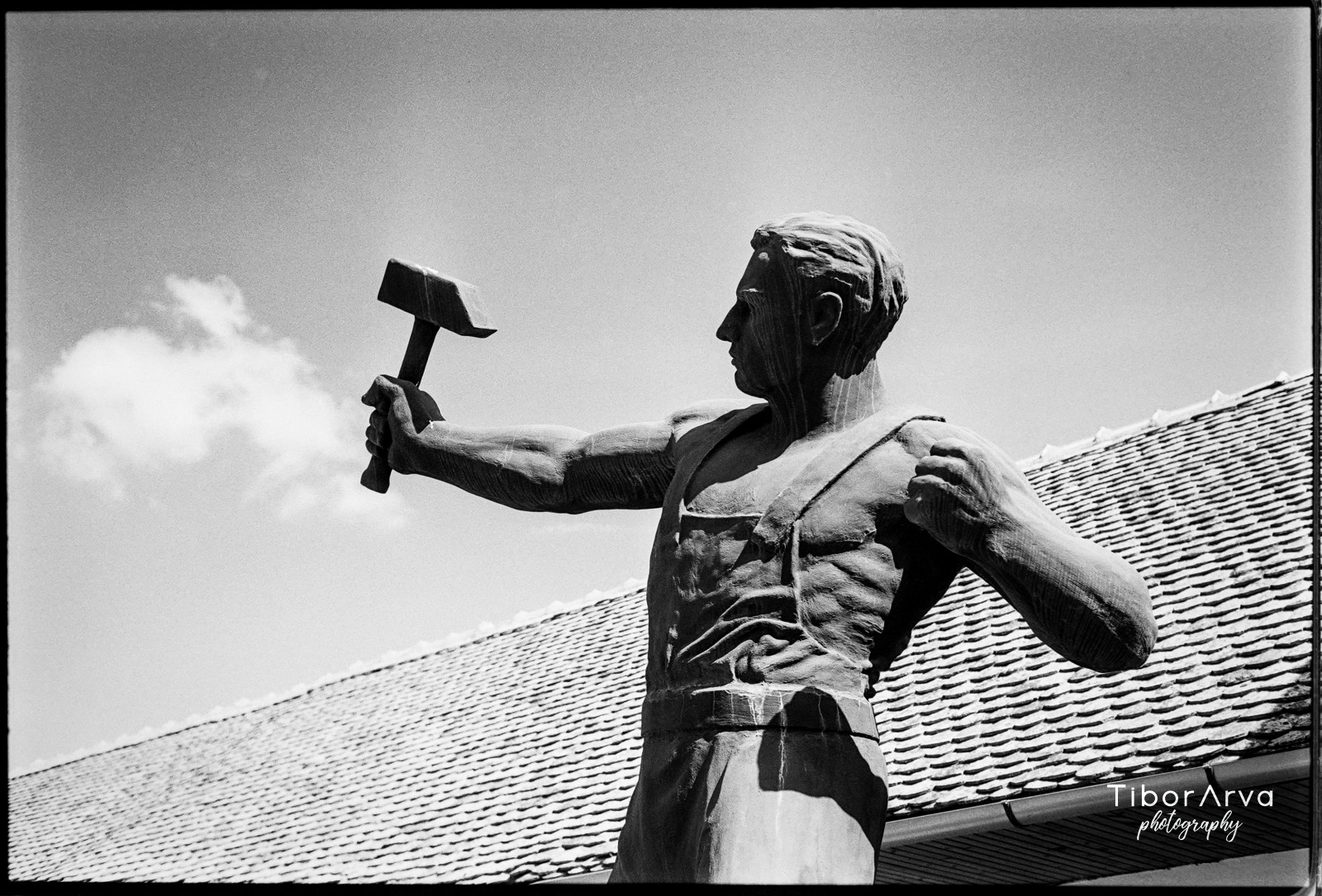
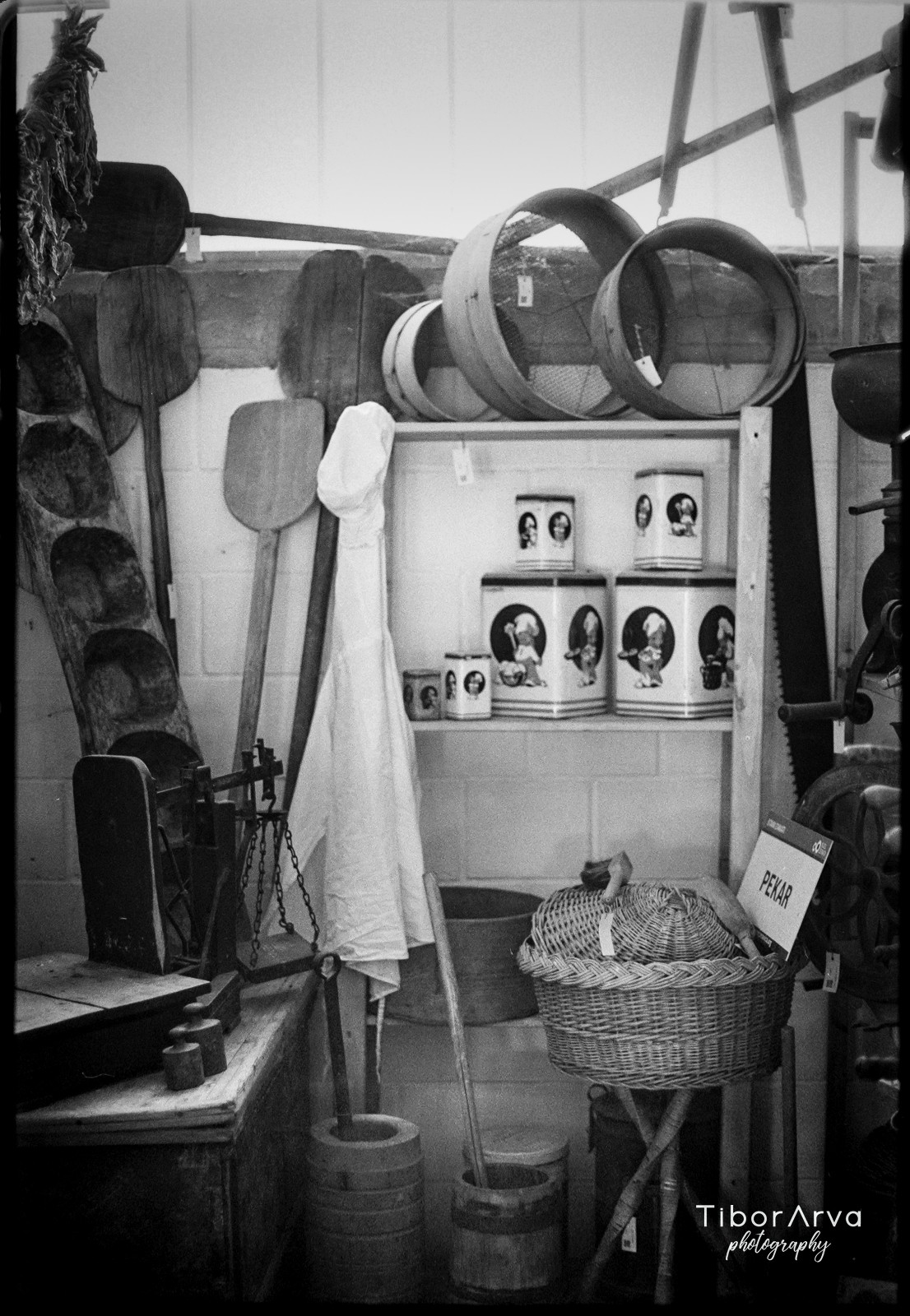
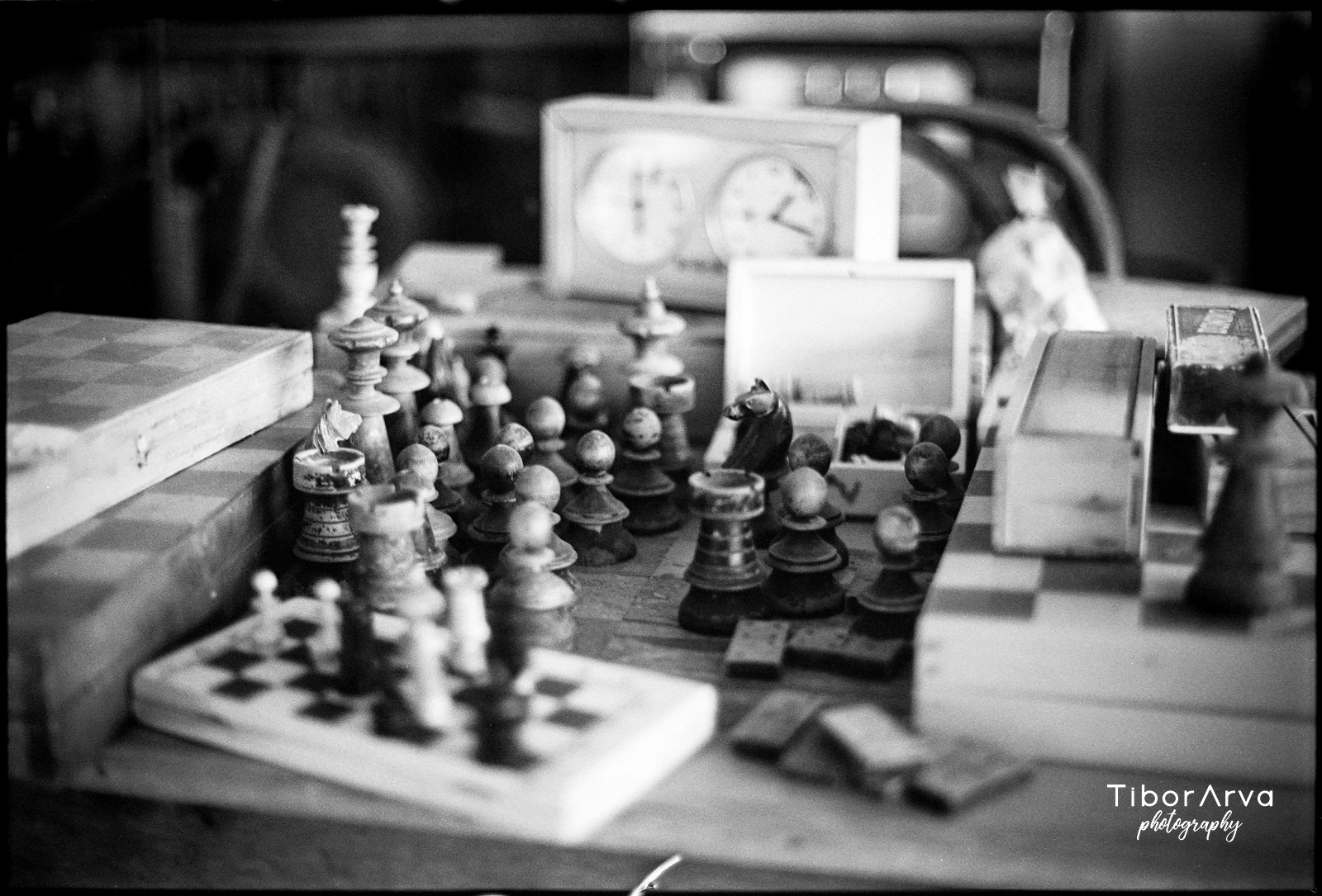
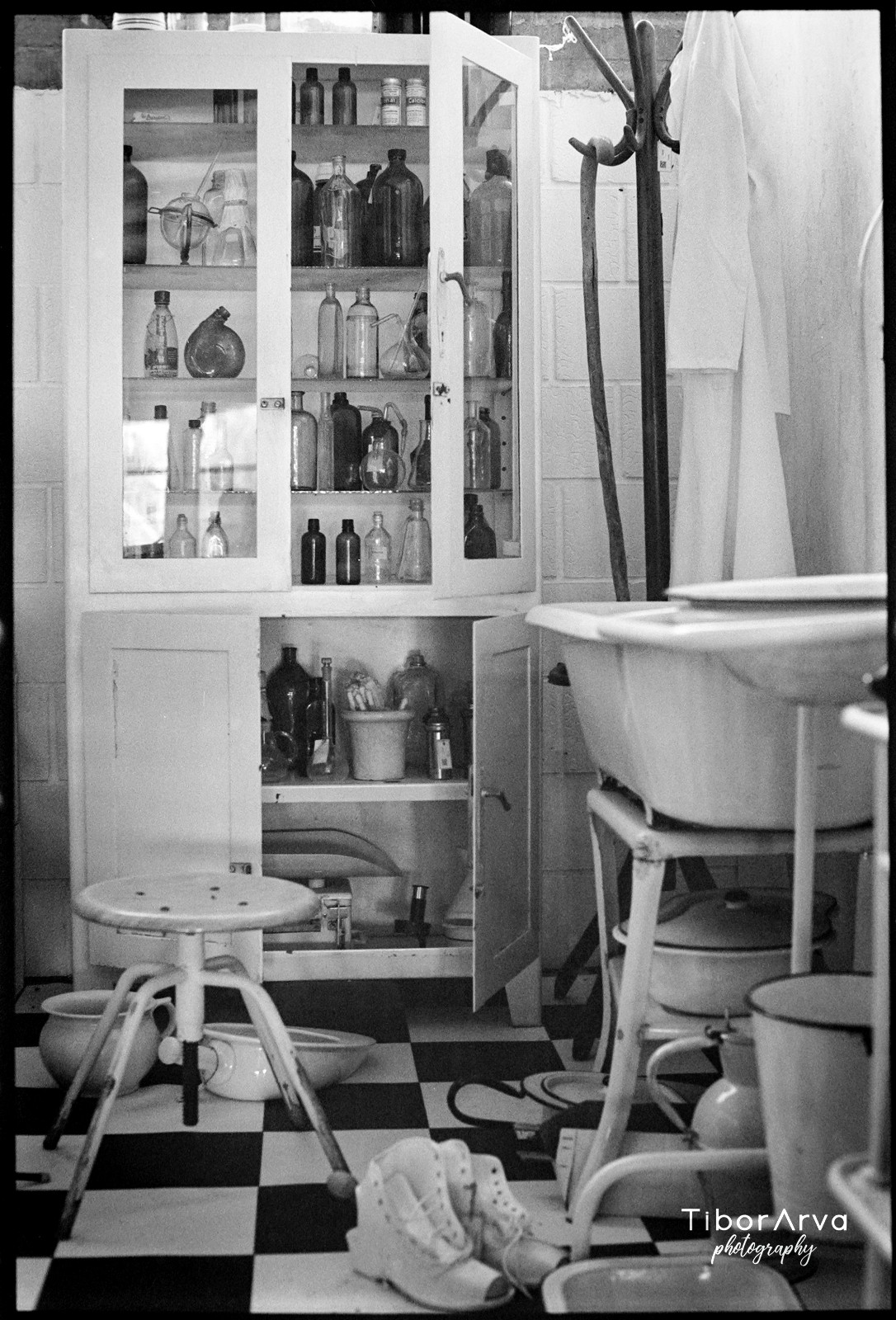
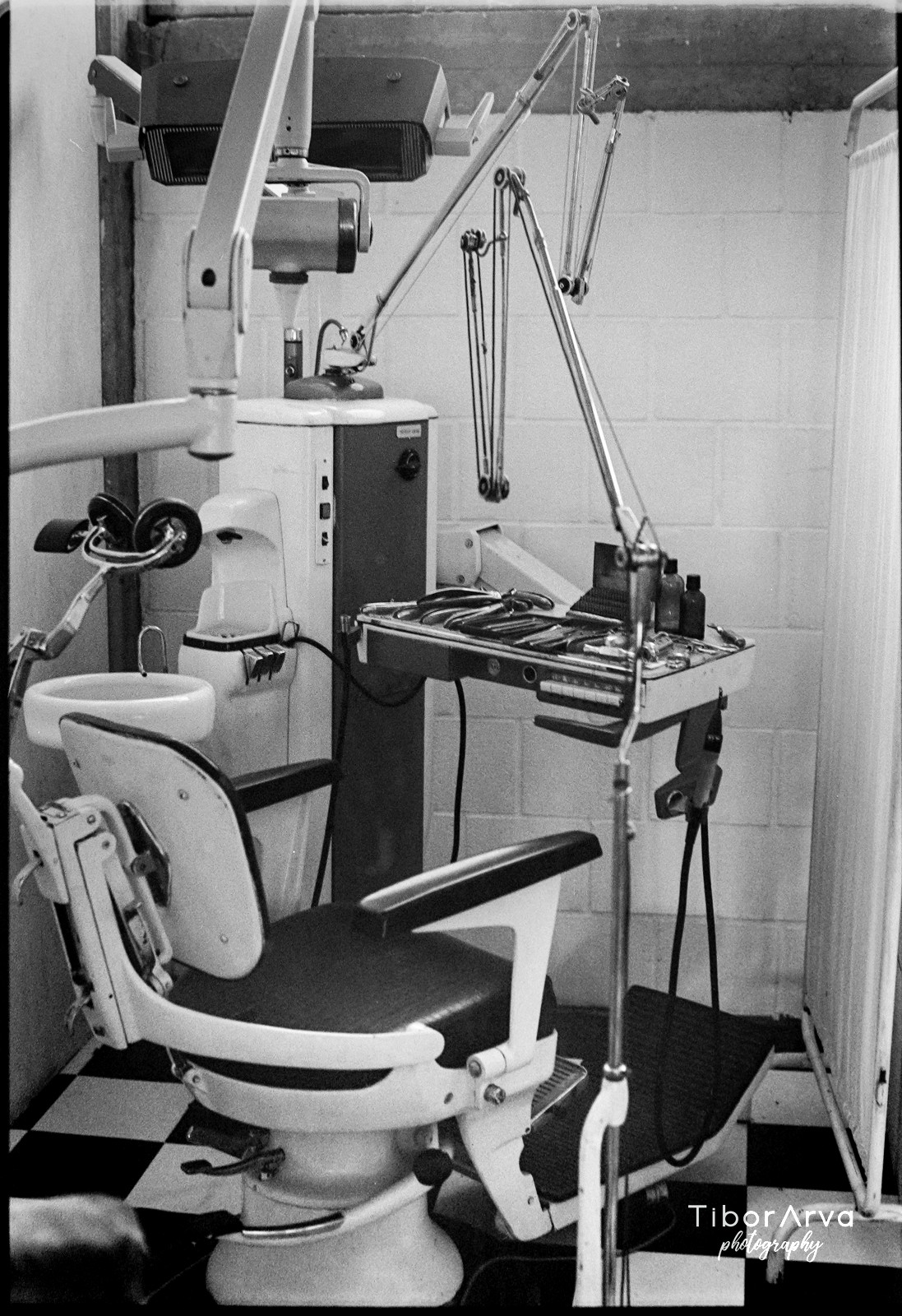
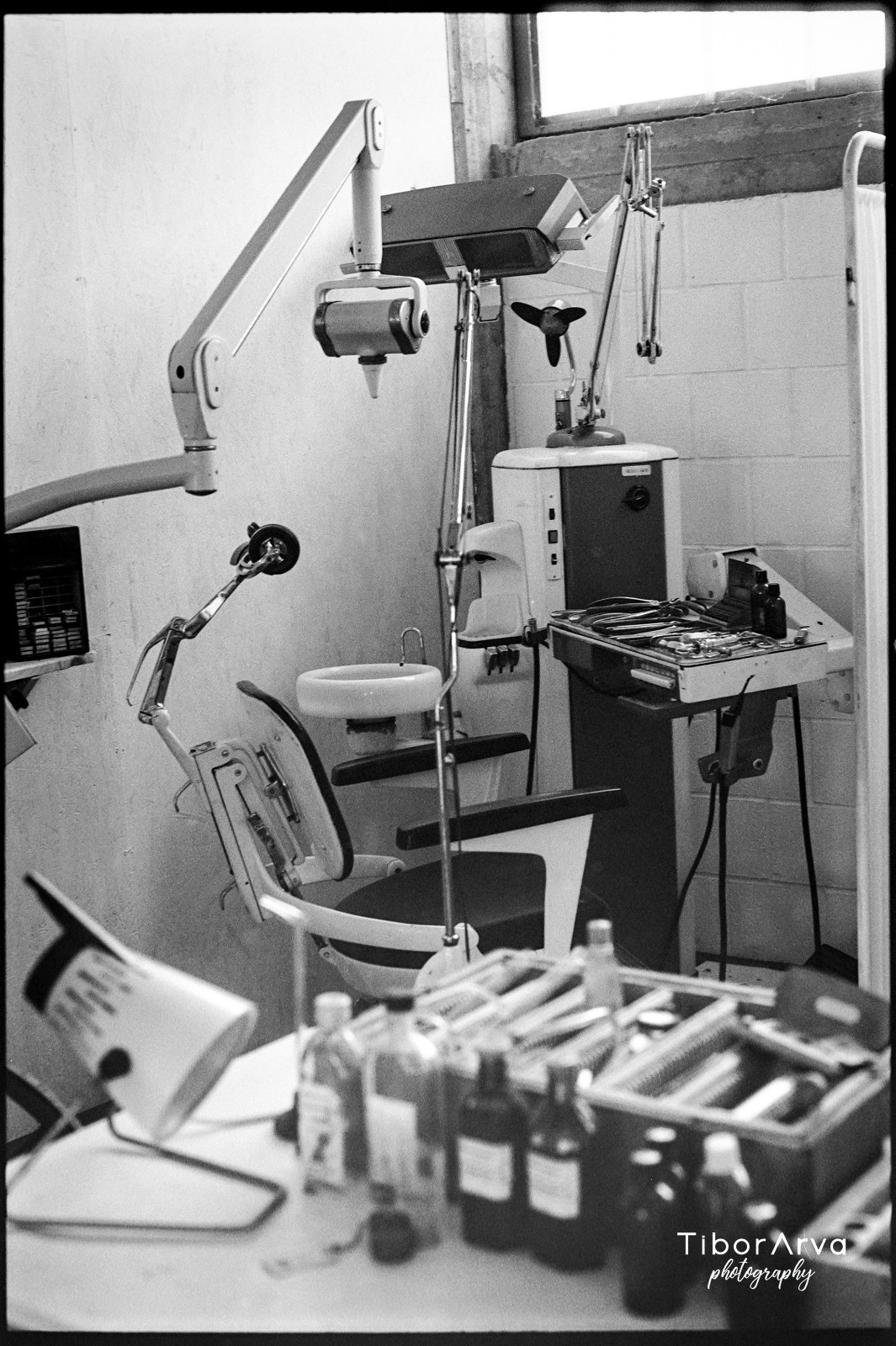
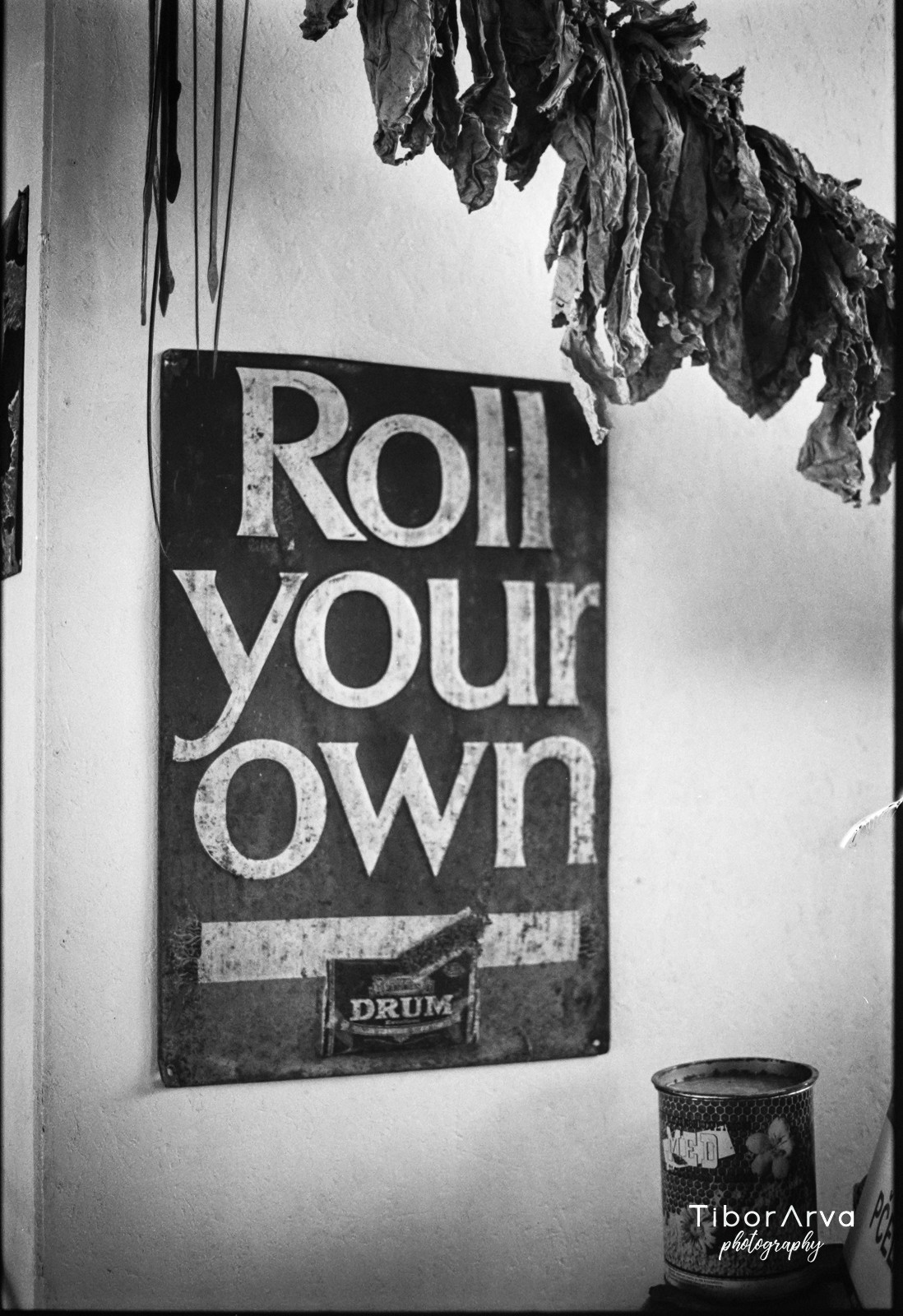
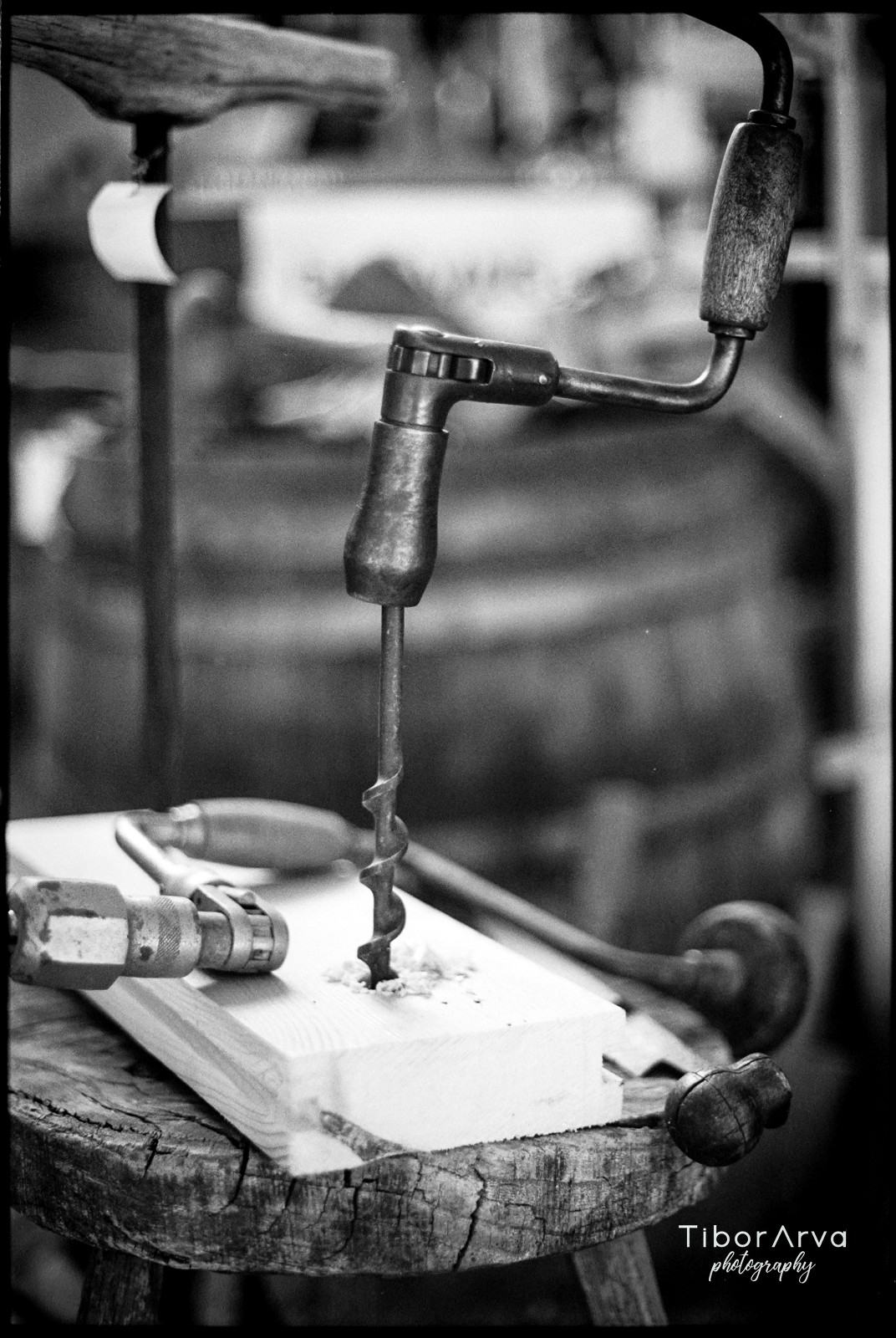
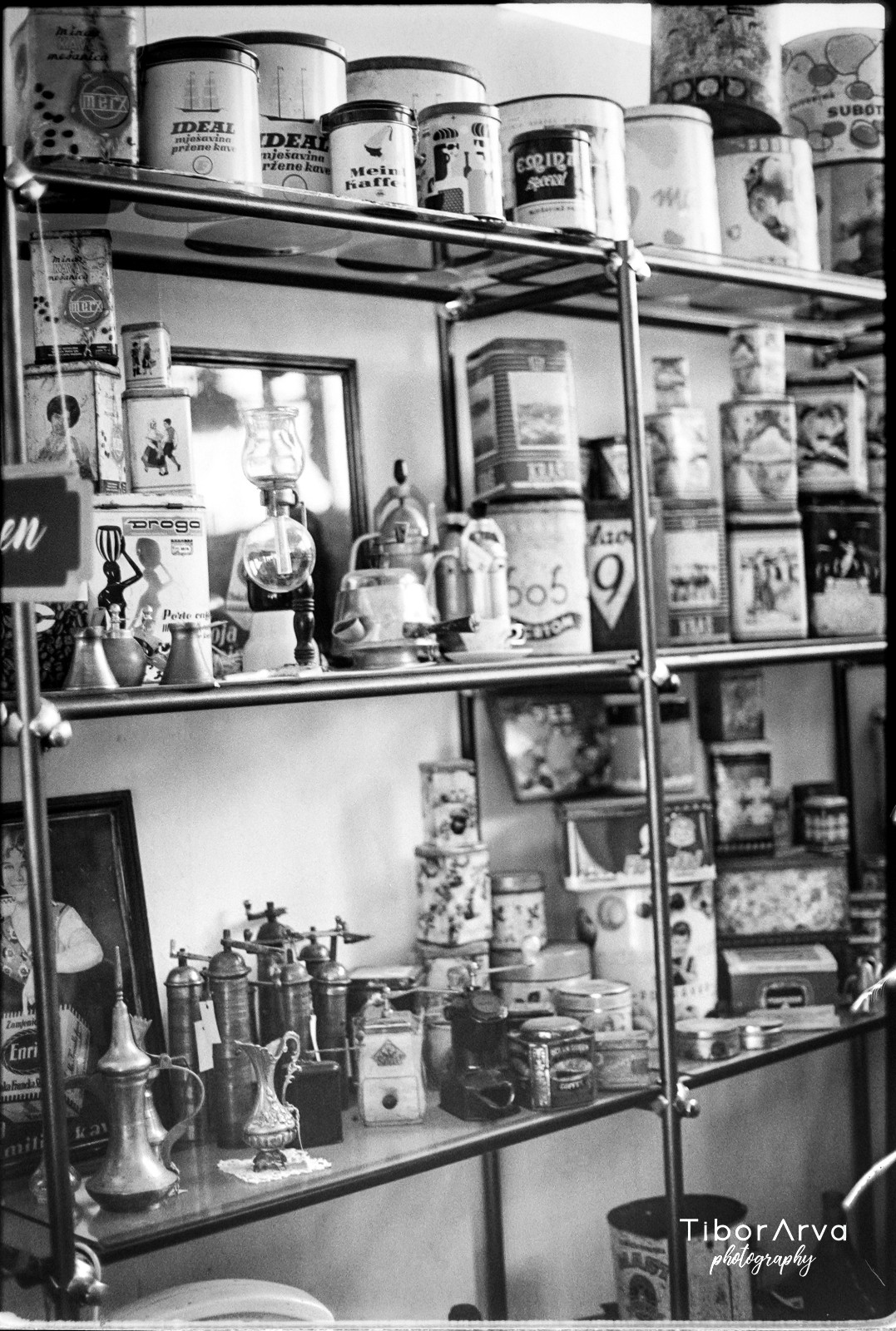
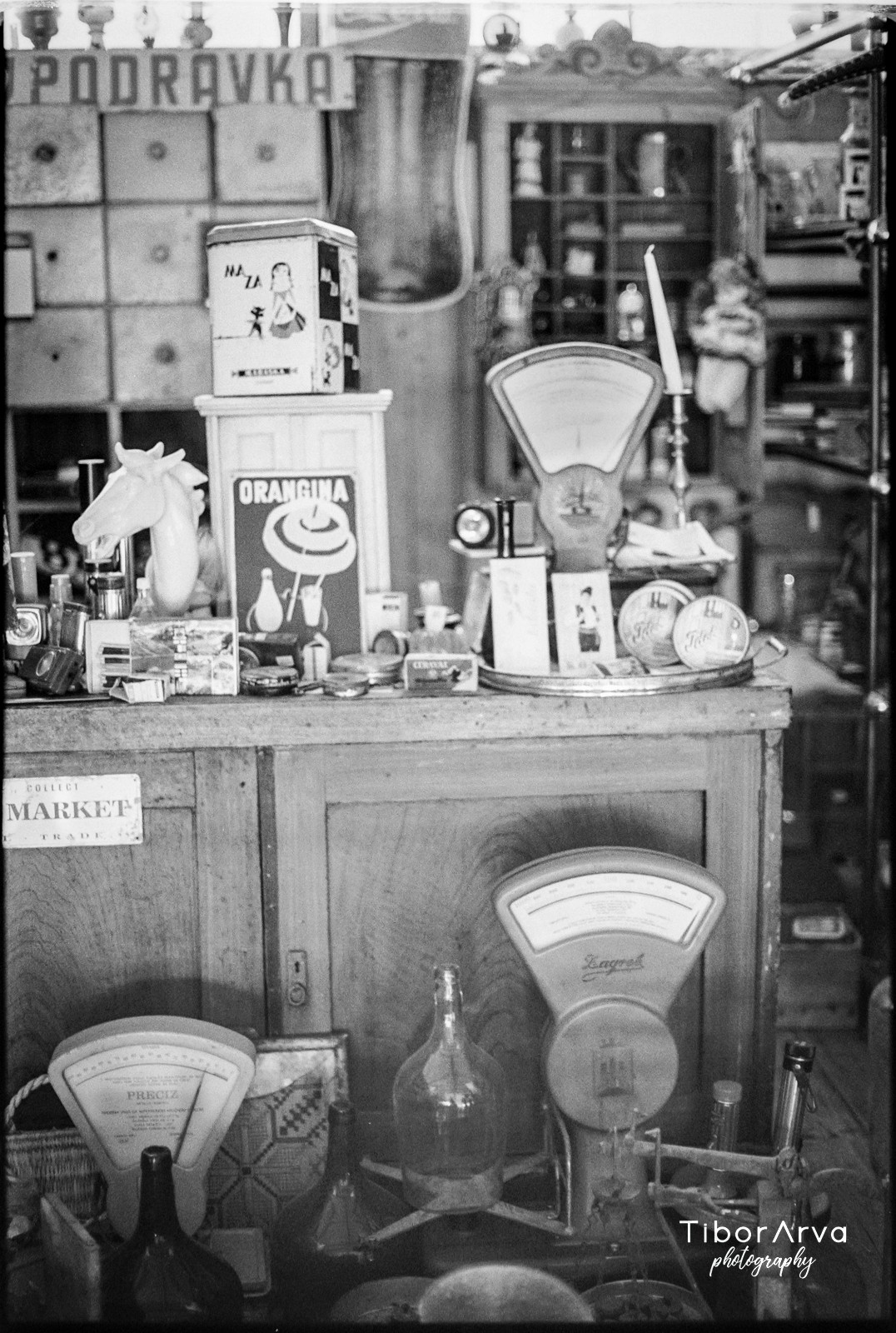
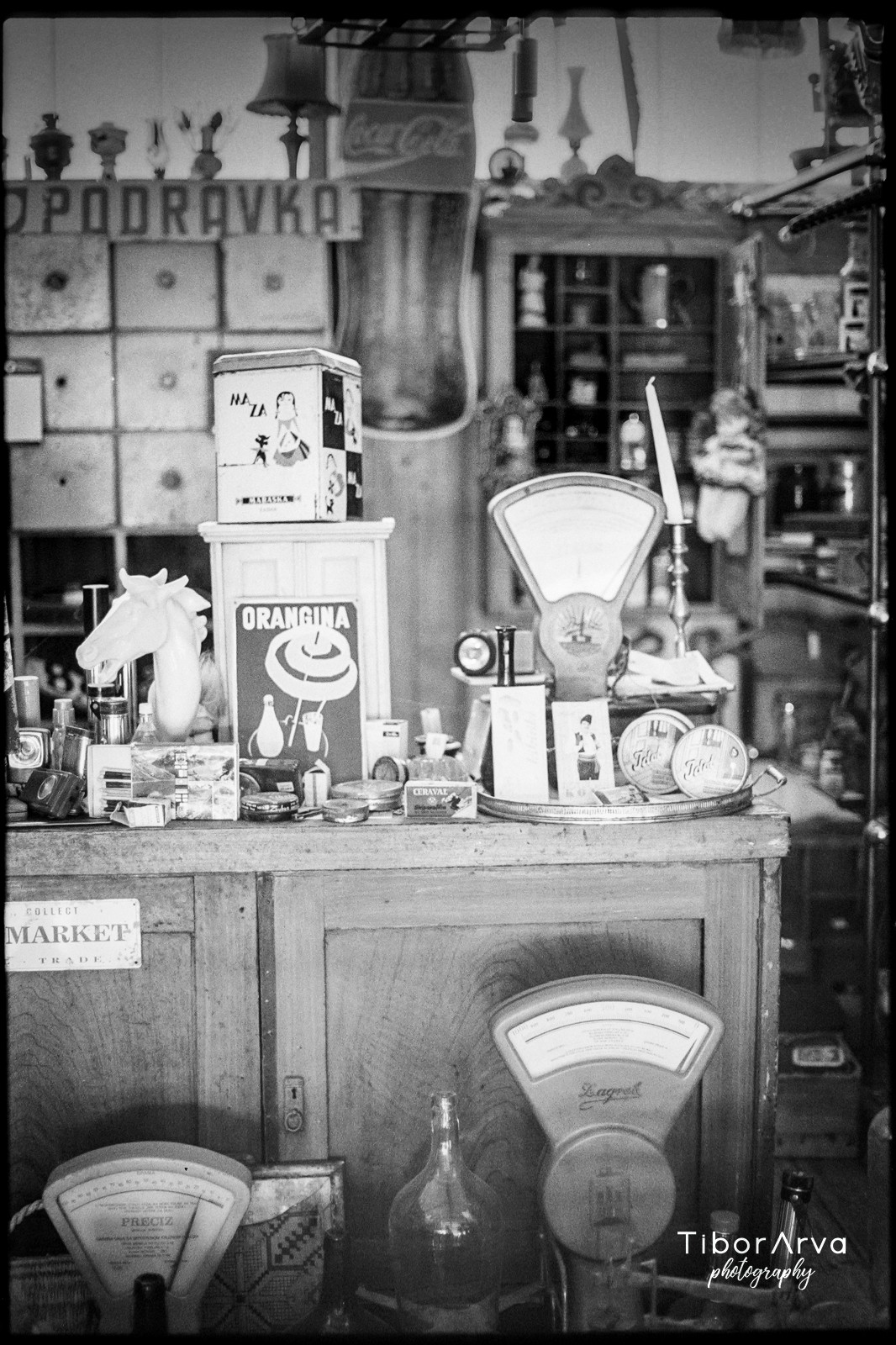
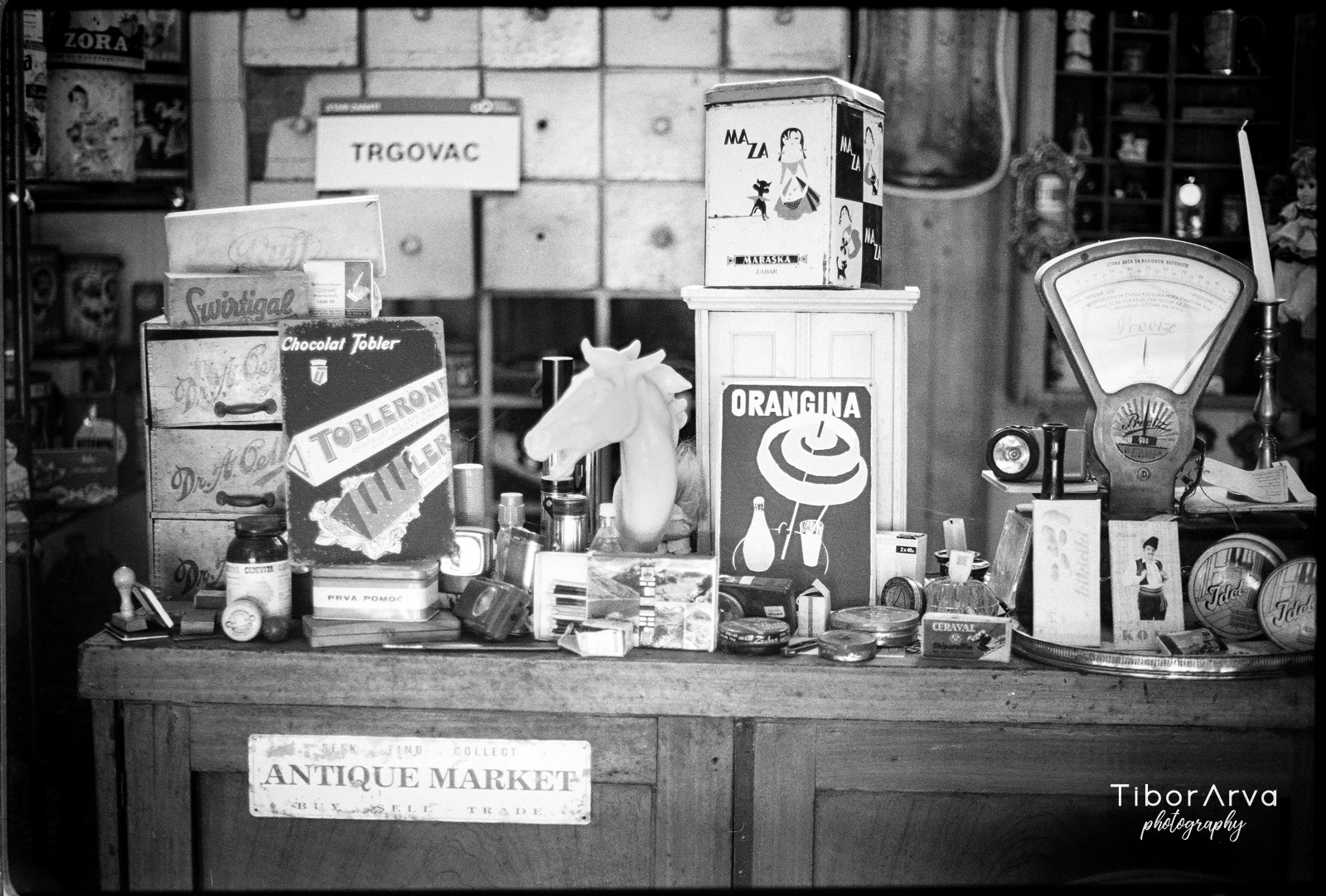
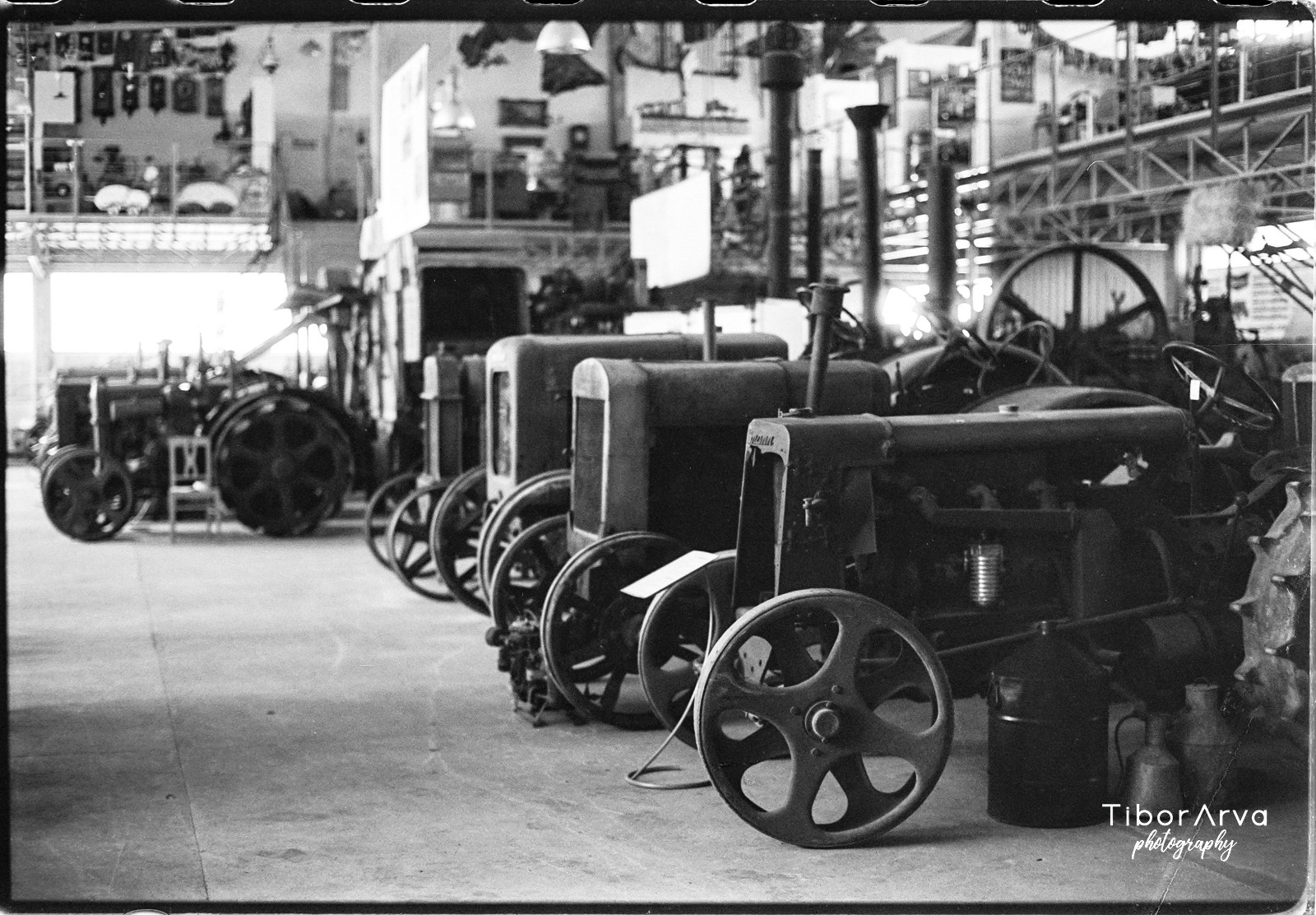
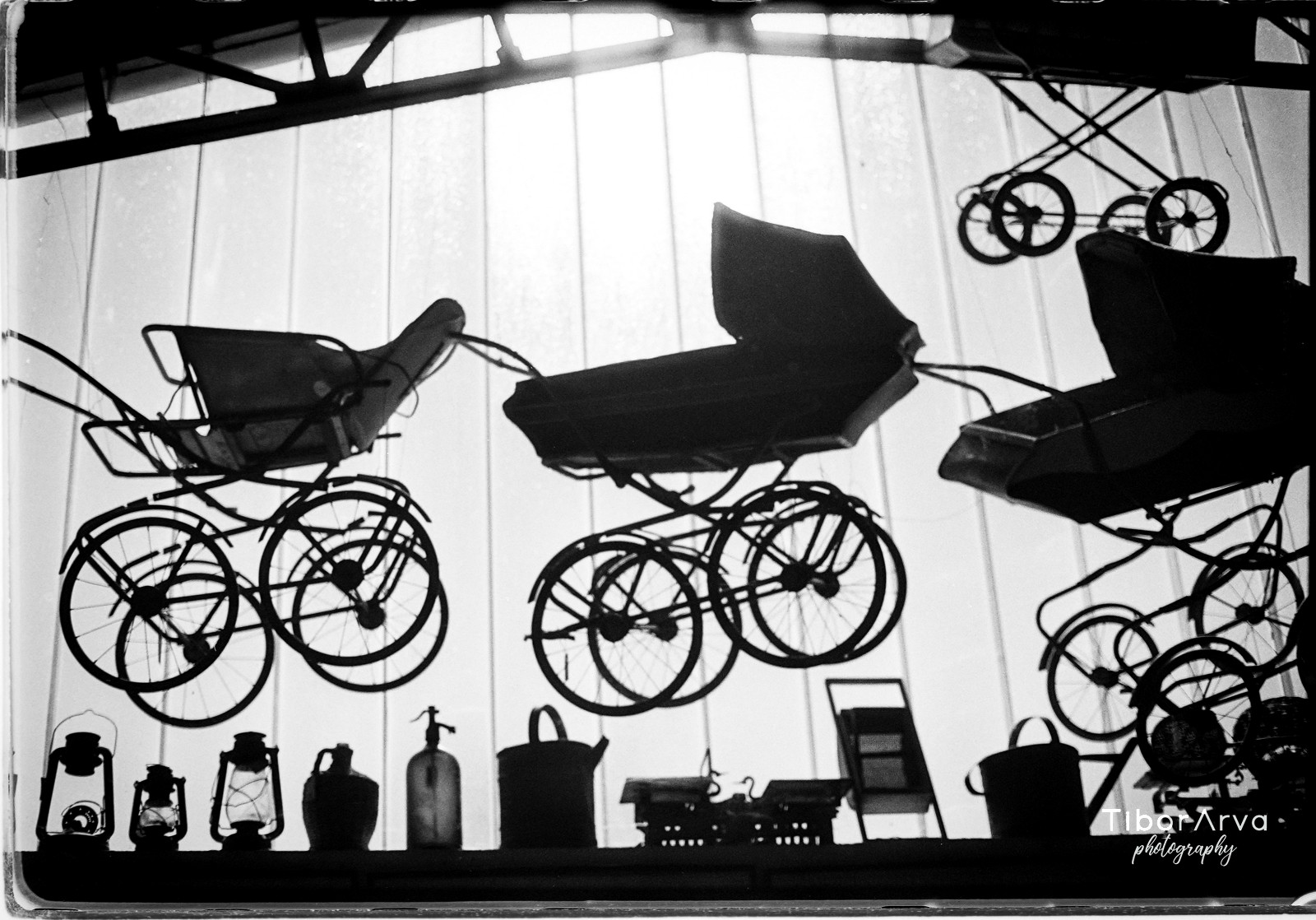
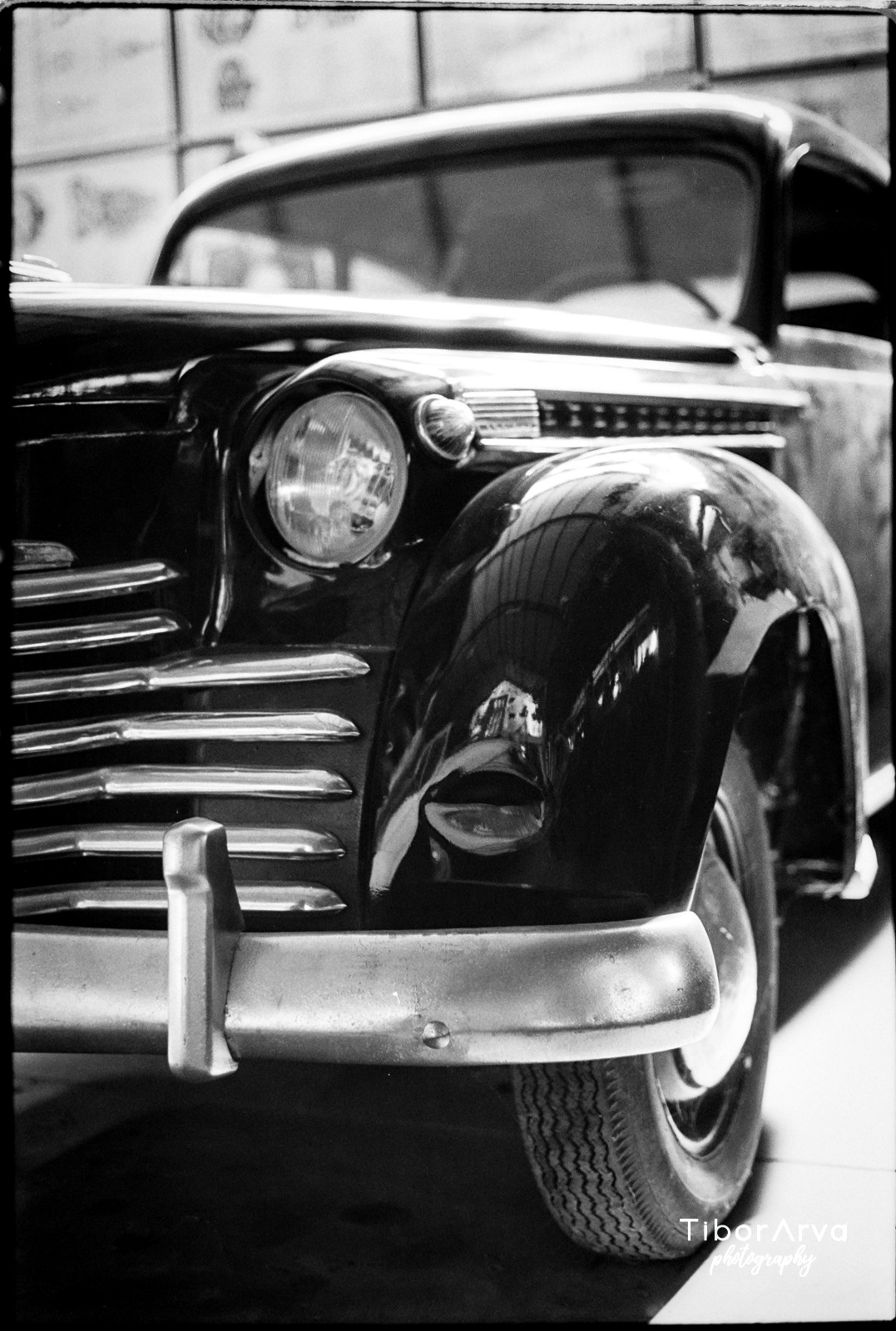
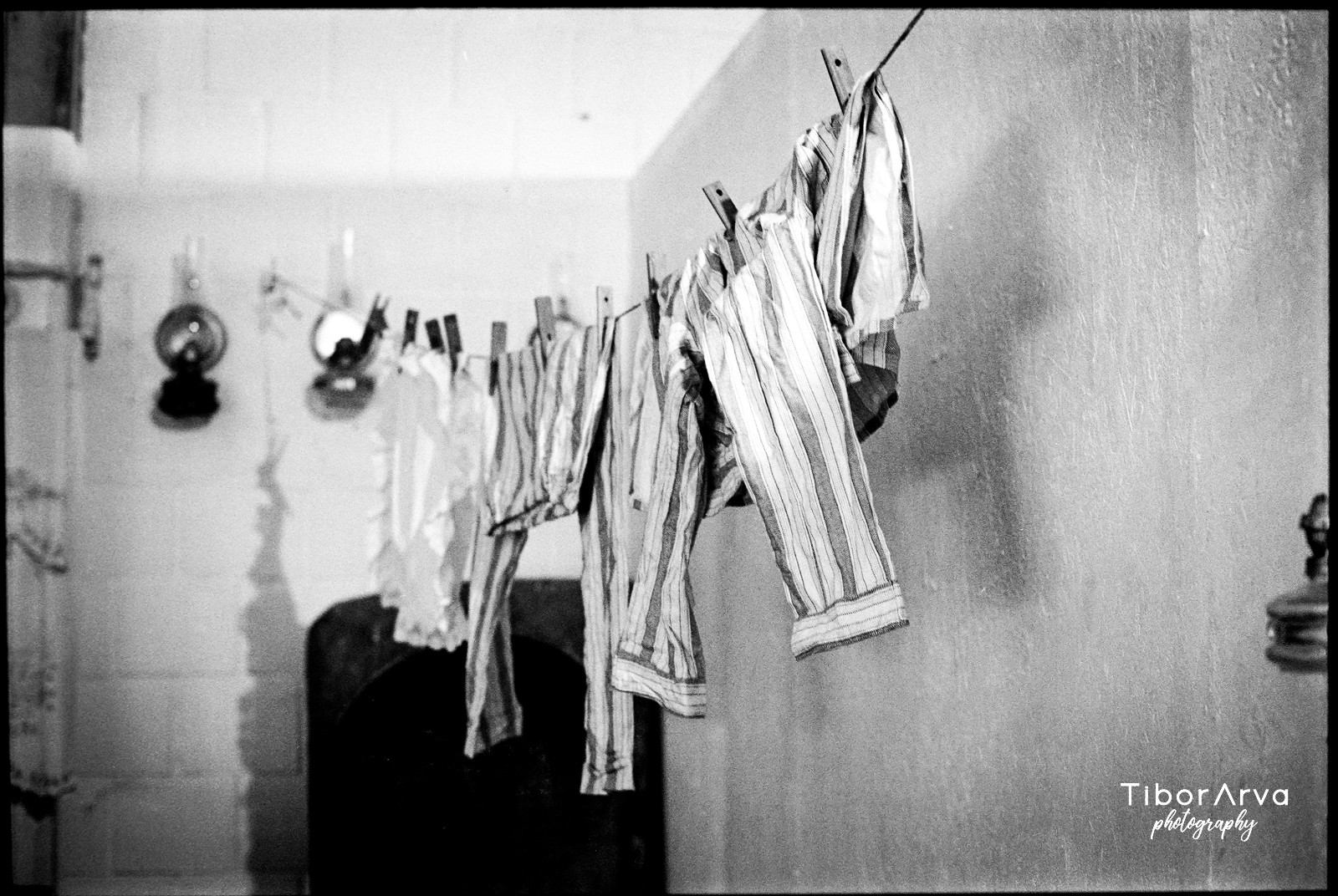
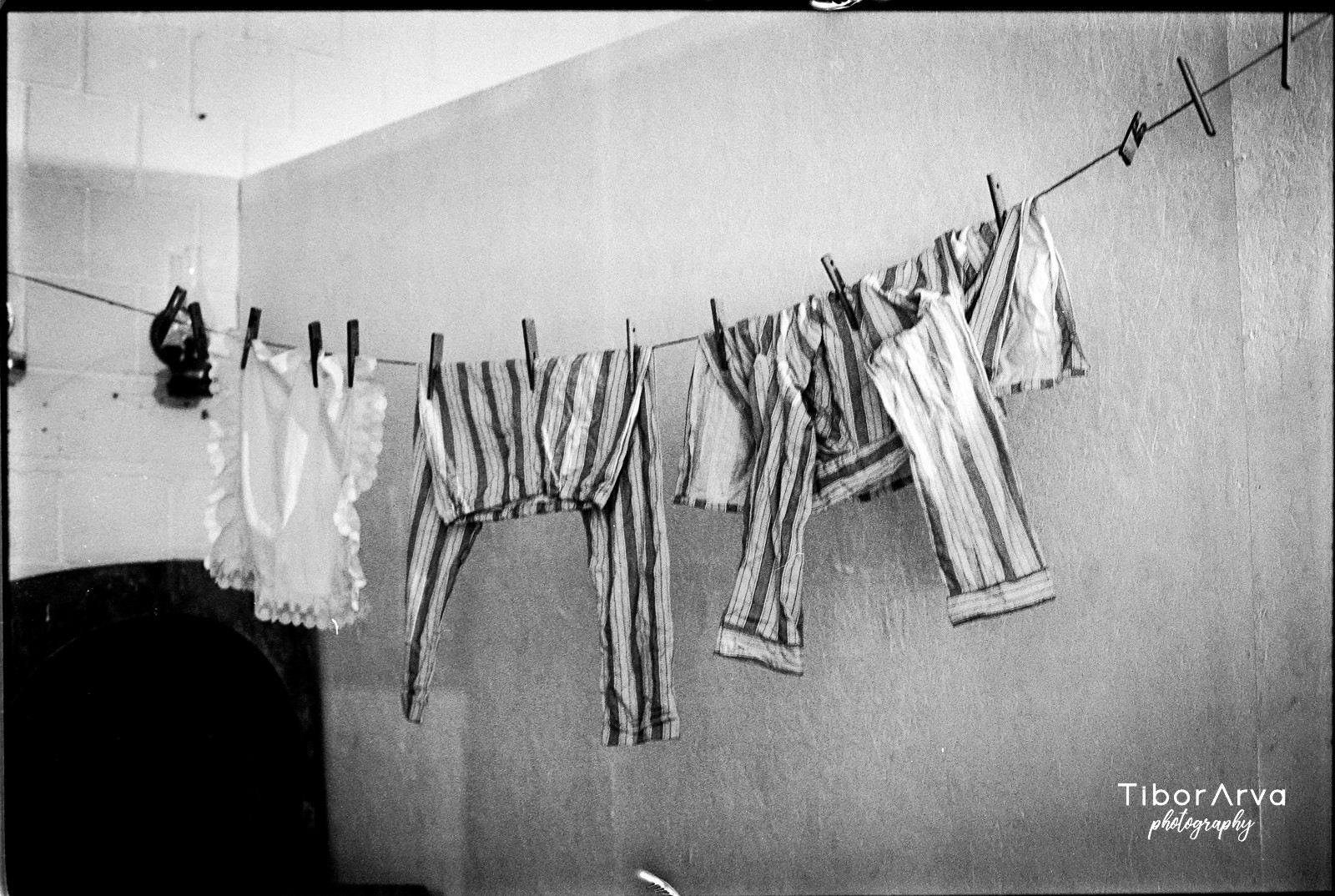
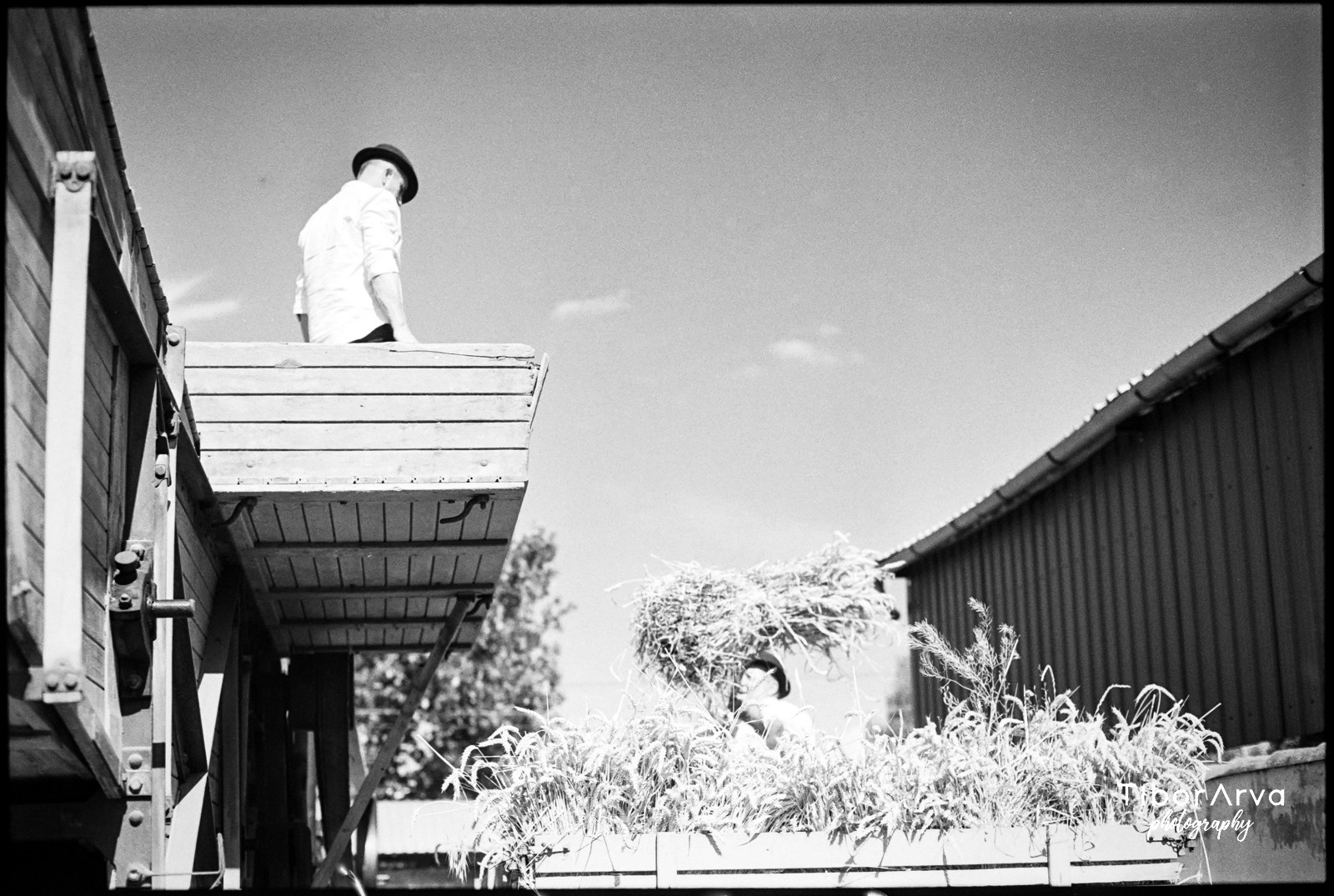
There are places that take you back to the past, but the Žeravica Museum in Novo Miloševo does something different. It doesn’t take you back; it stops time. Hundreds of tractors, steam engines, and motors stand in silence, like giants caught in a dream.
I entered this museum not as a tourist, but as a portraitist. And I did not come with a digital camera.
Digital photography is fast, sharp, and precise. But these machines do not need precision. They need understanding. They are not perfect; they are full of scars, rust, peeled paint, and the marks of decades of work. To capture character, you need a medium that has character itself.
I needed analog film.
A Meeting of Two Analog Textures
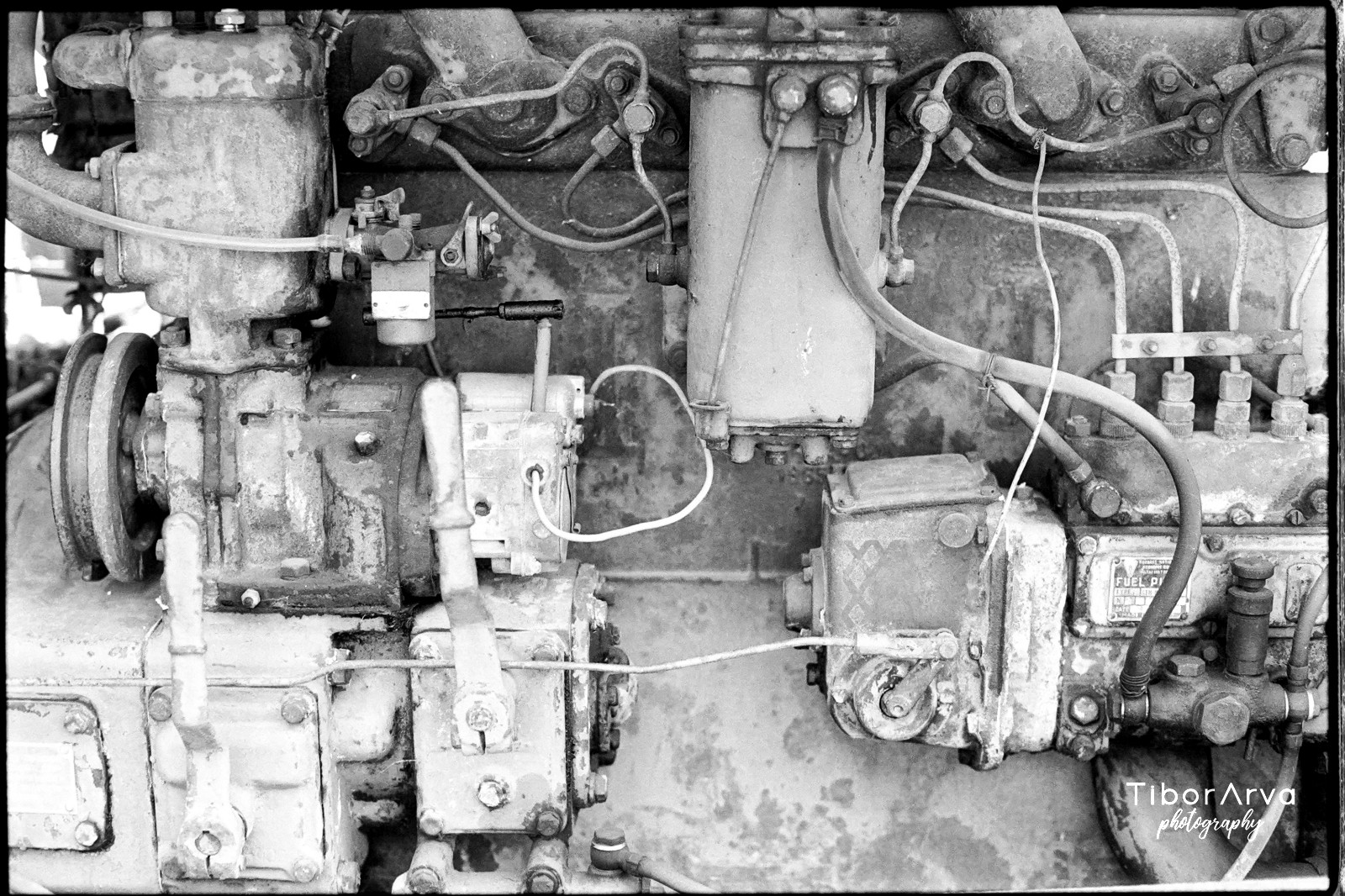
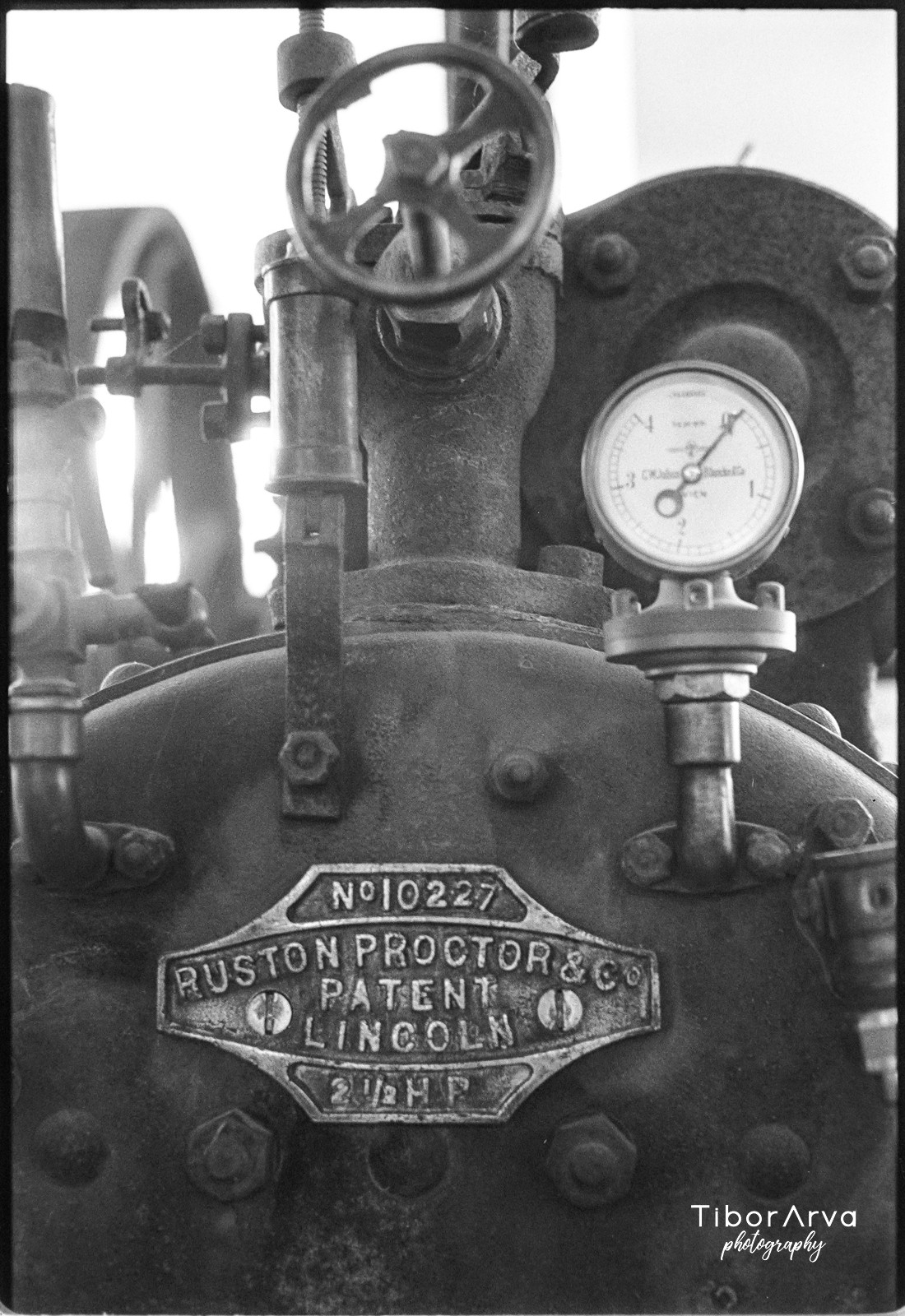
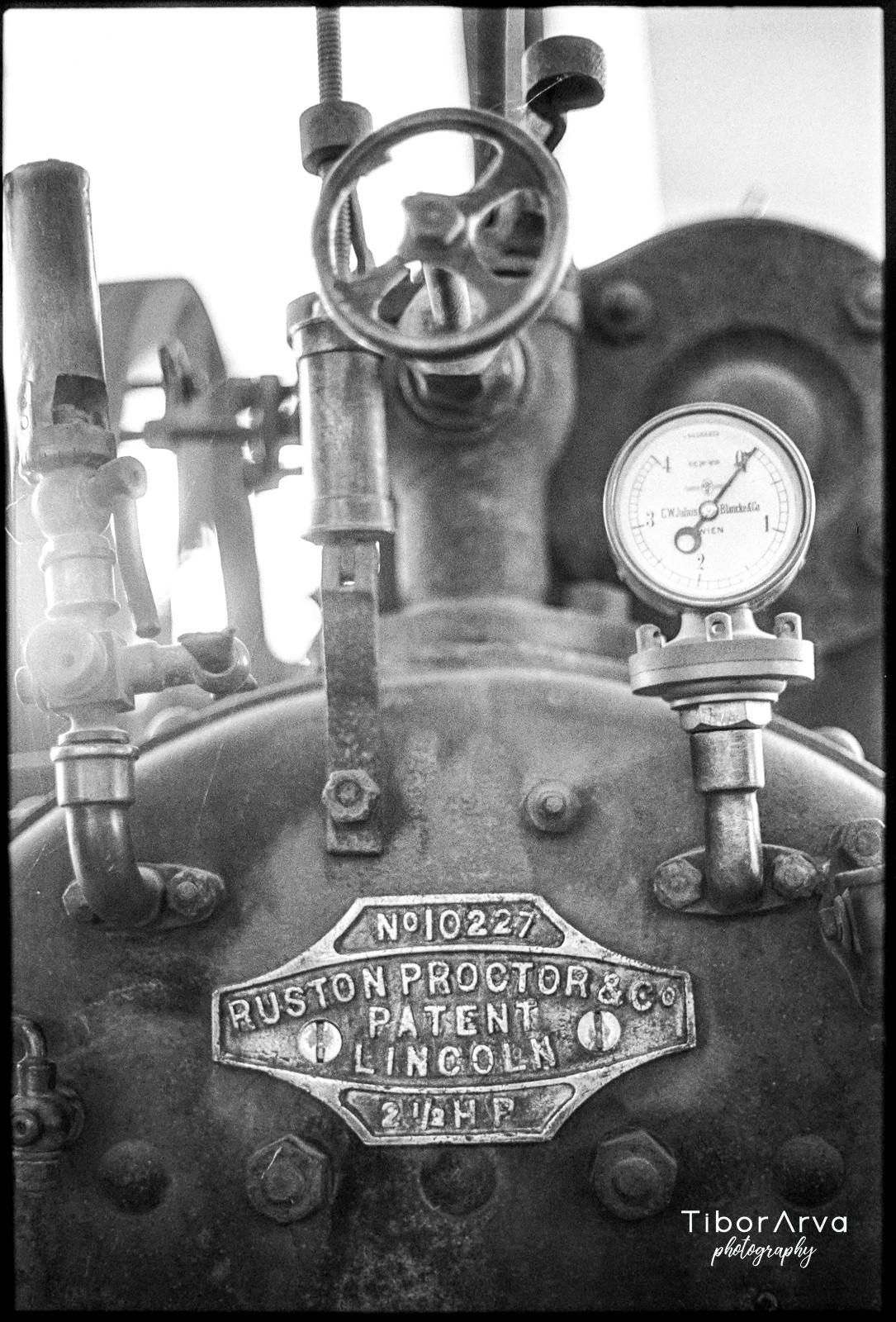
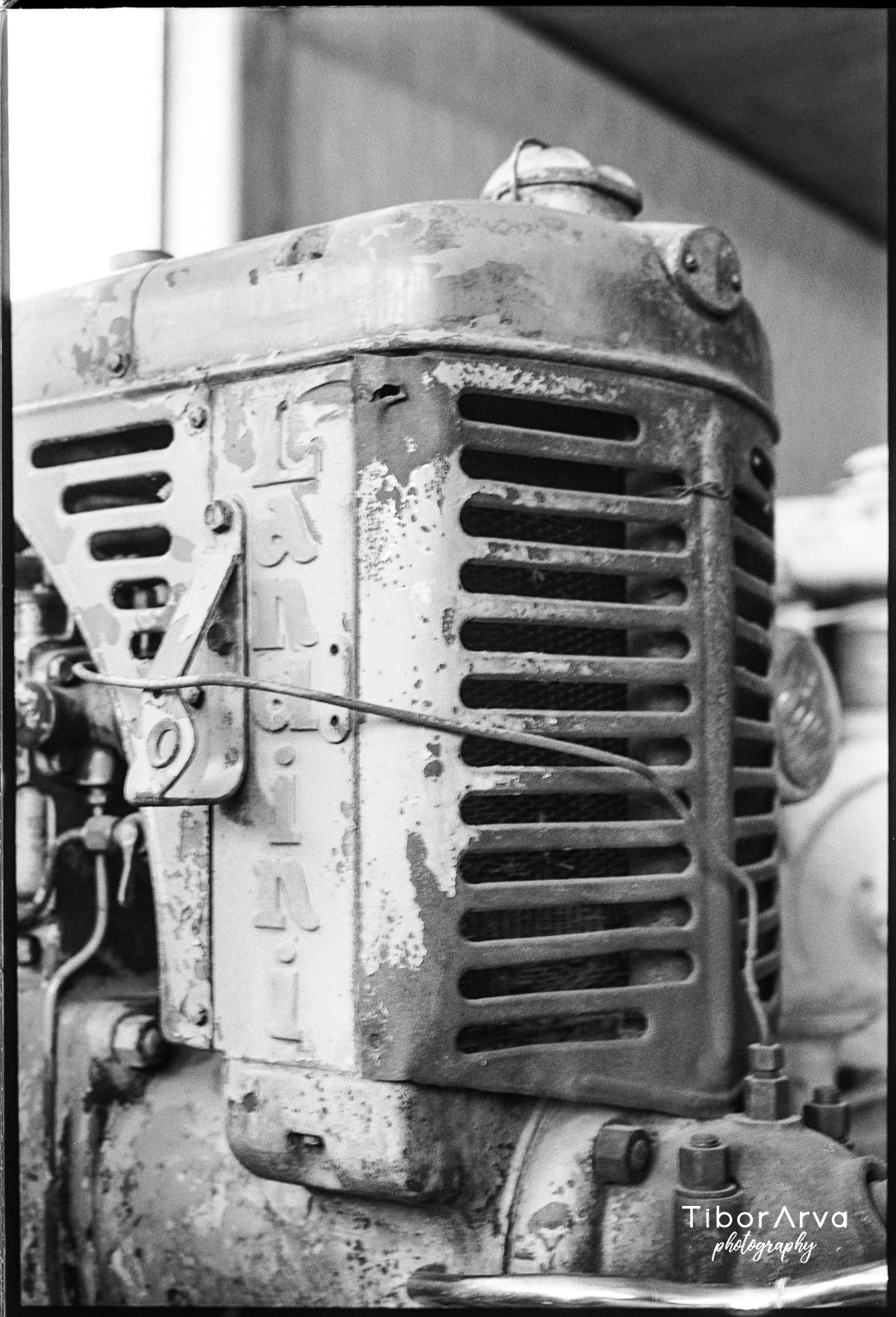
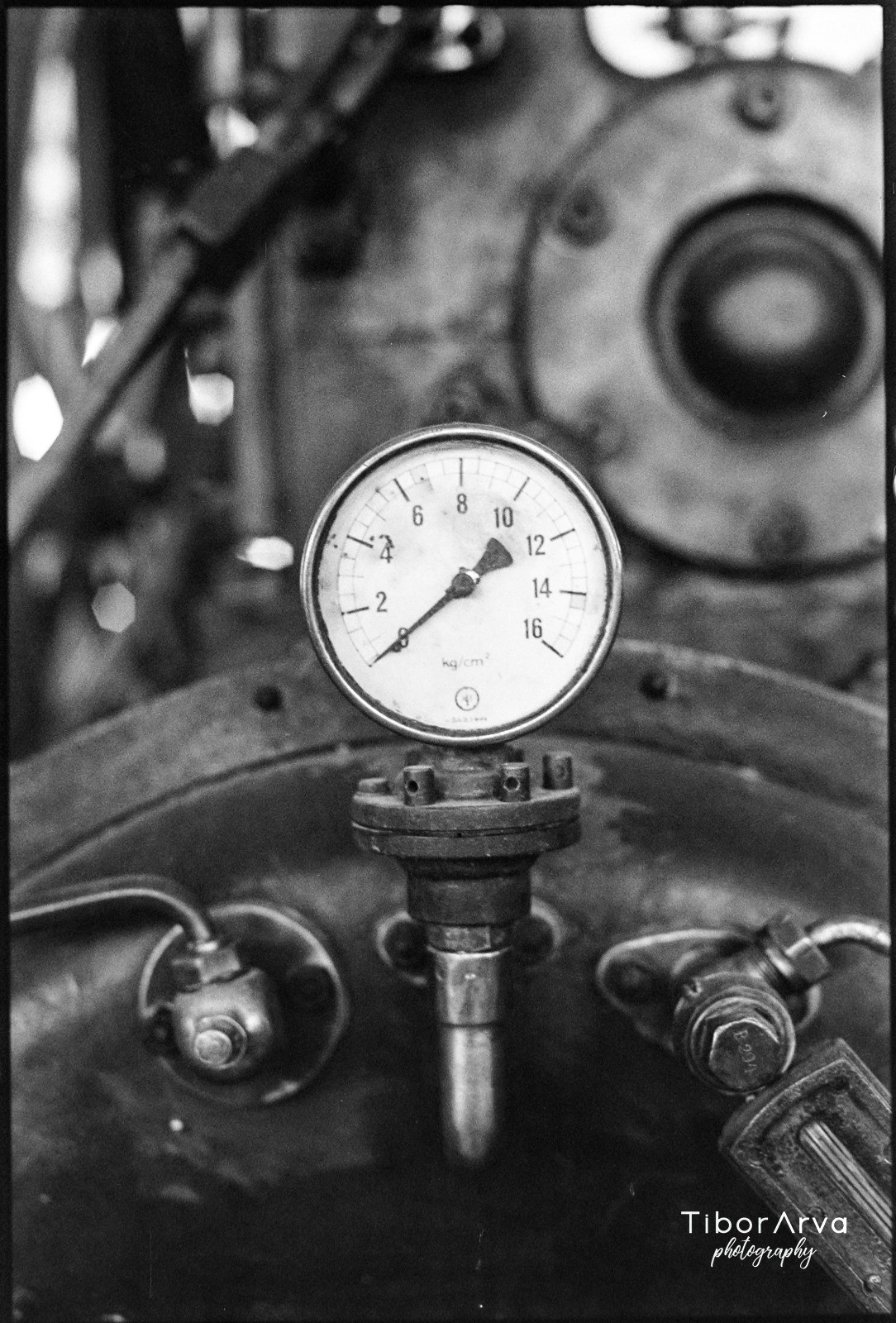
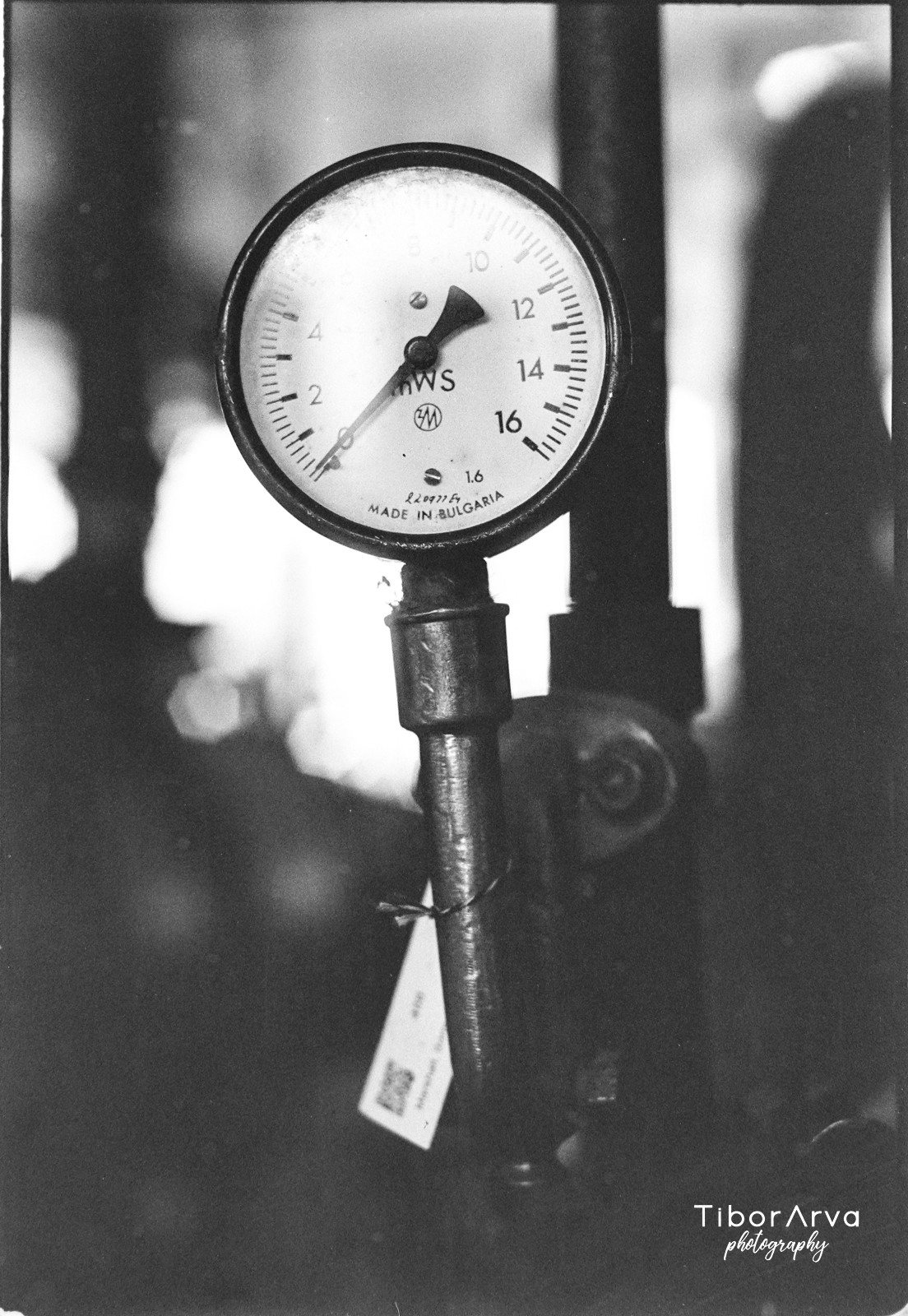
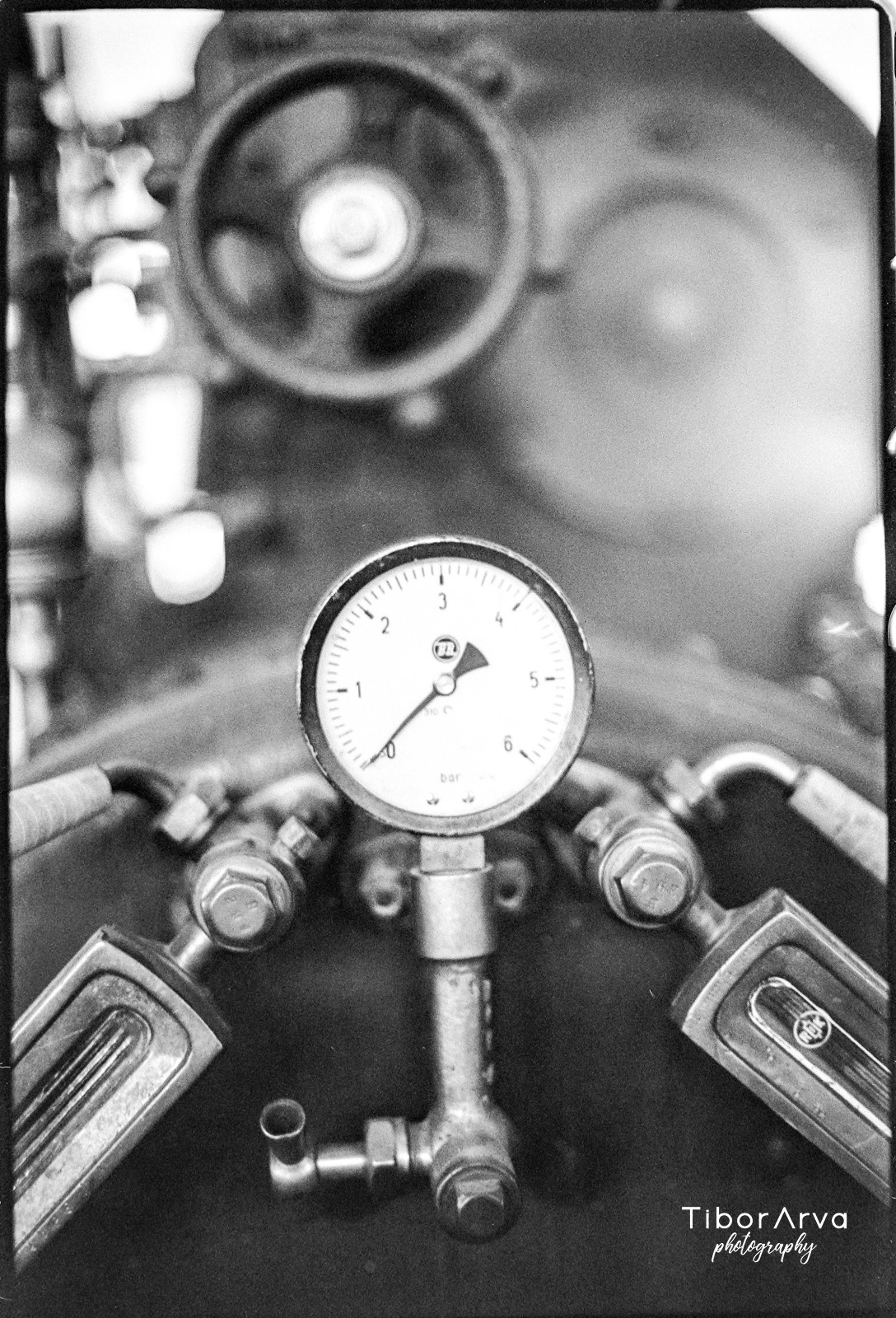
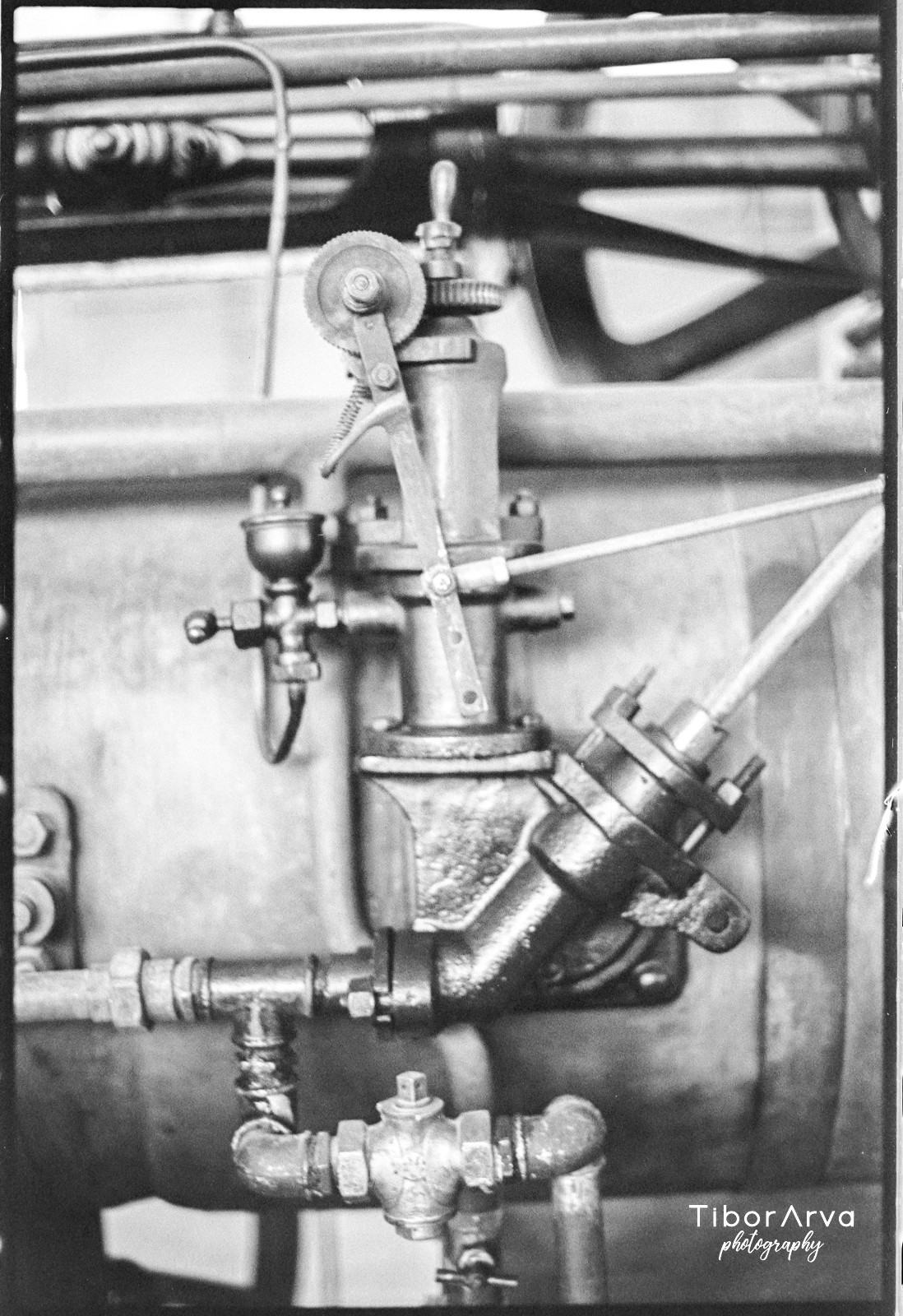
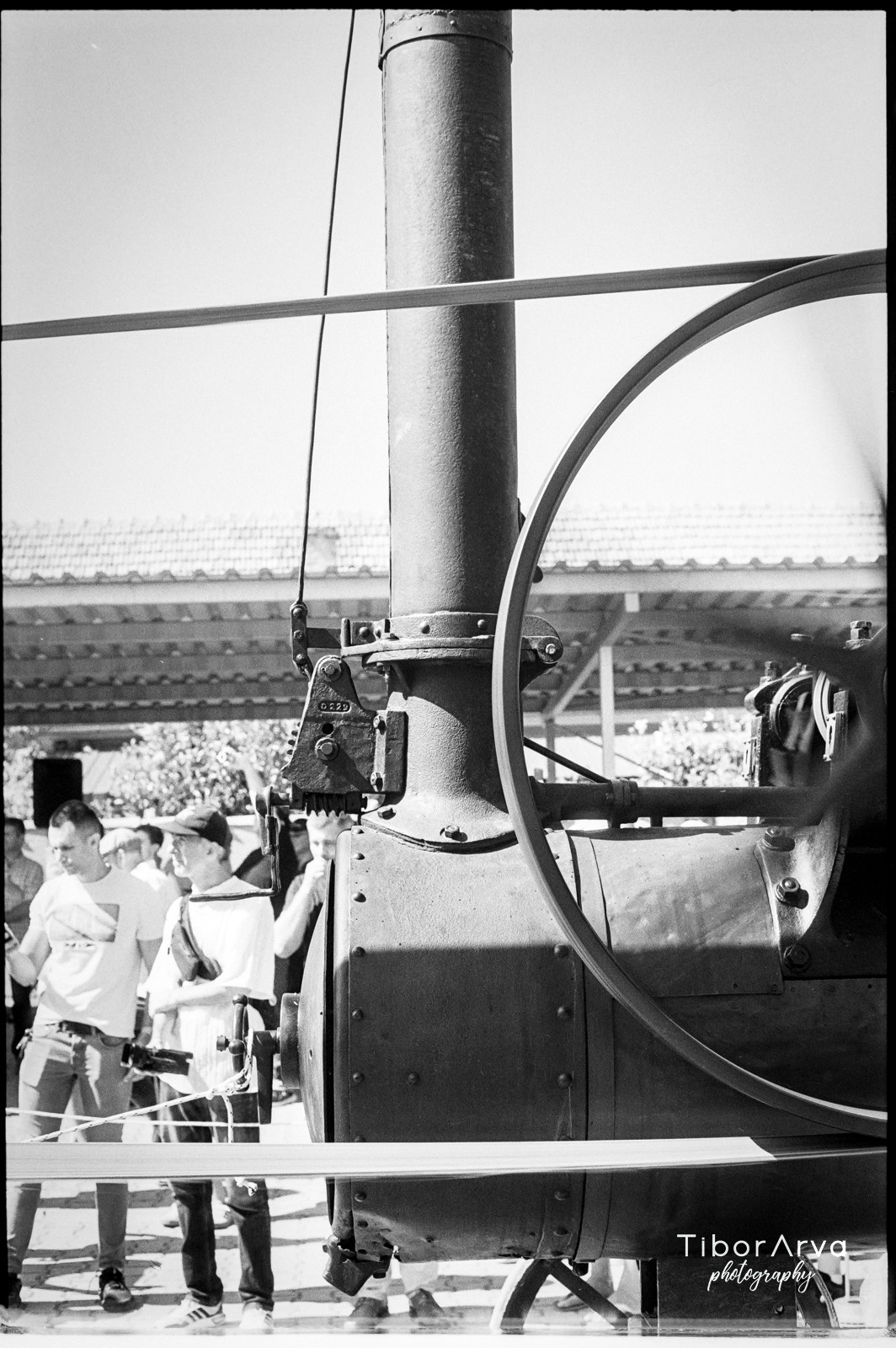
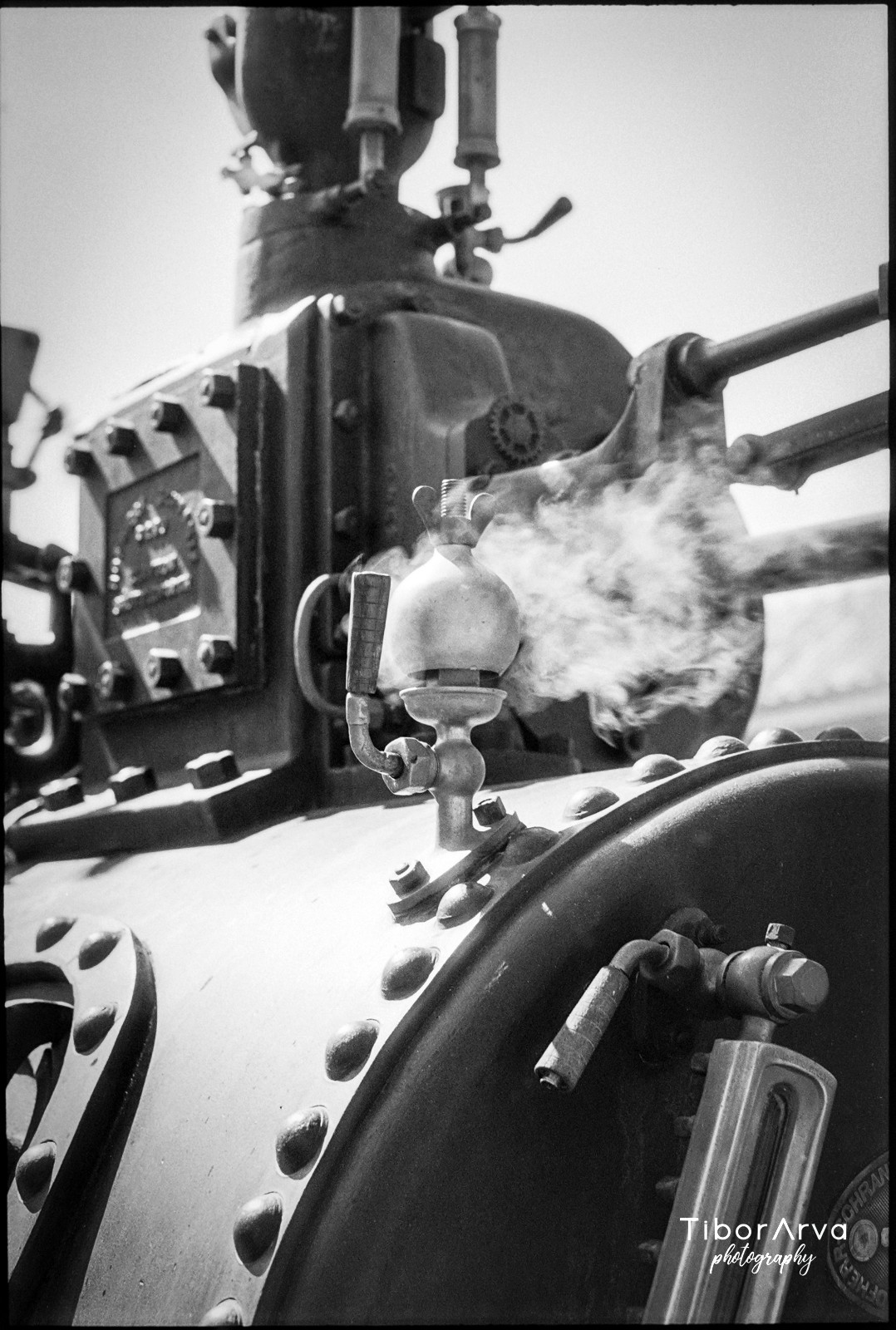
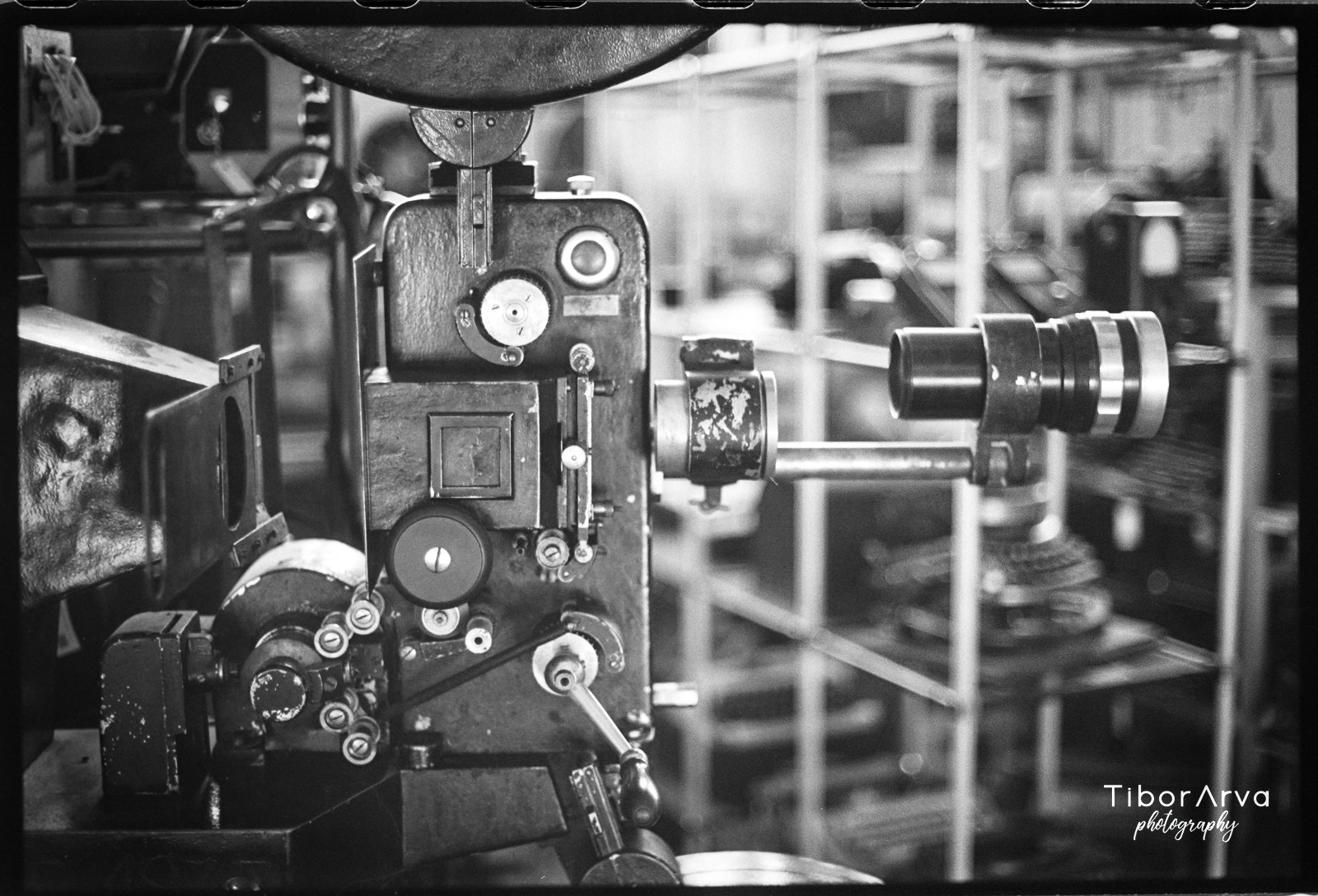
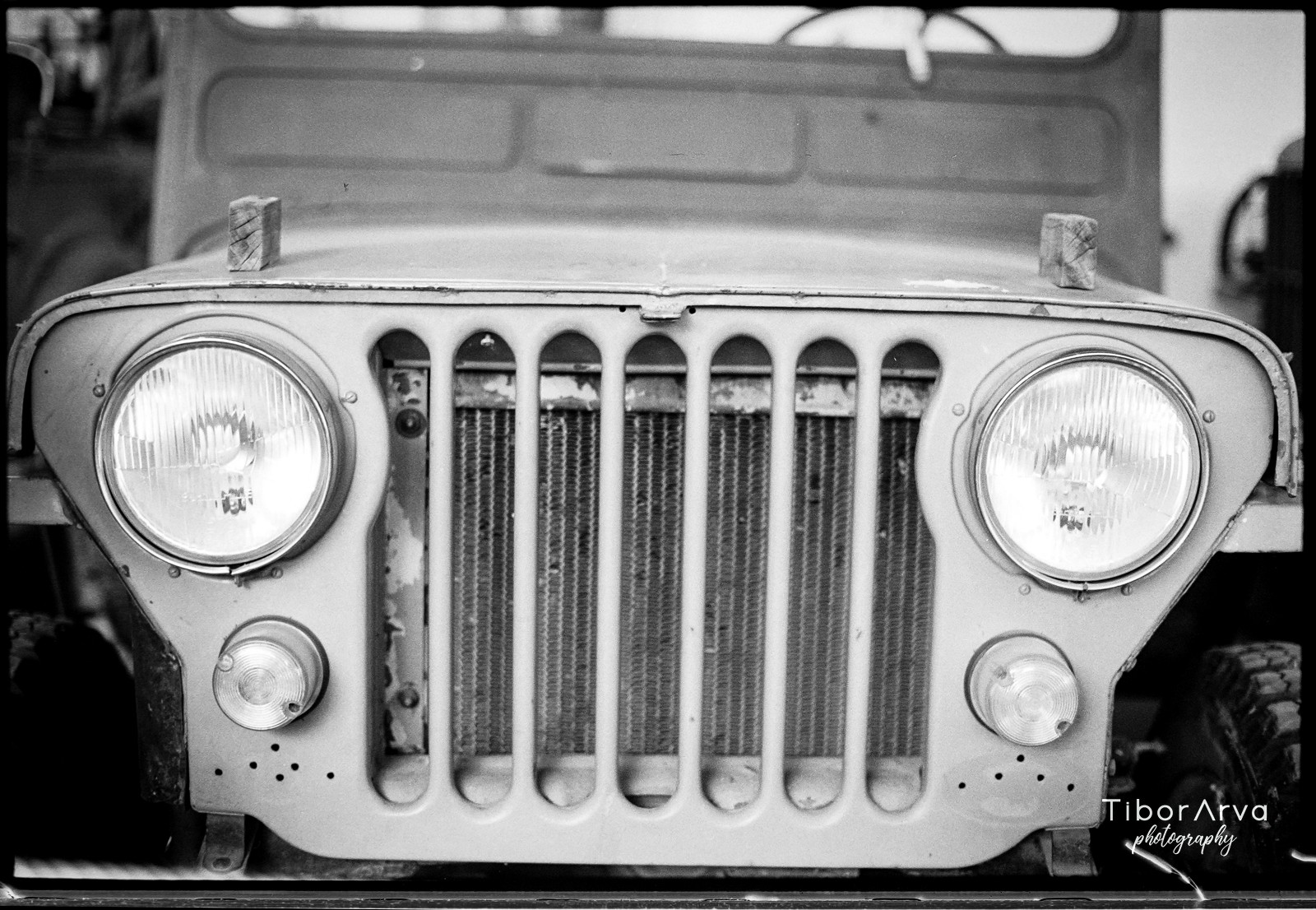
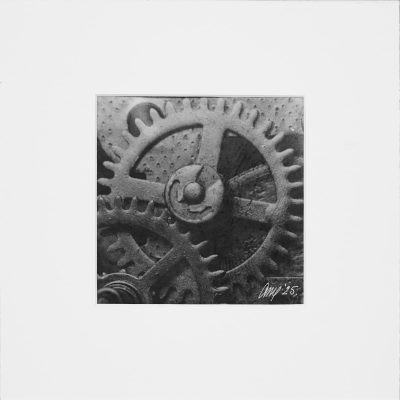
Every click of the analog camera was like a conversation. I wasn’t photographing a tractor; I was photographing a “face” made of a radiator grille and two extinguished headlights. I wasn’t capturing an engine; I was capturing the tangle of valves and pipes that once breathed life.
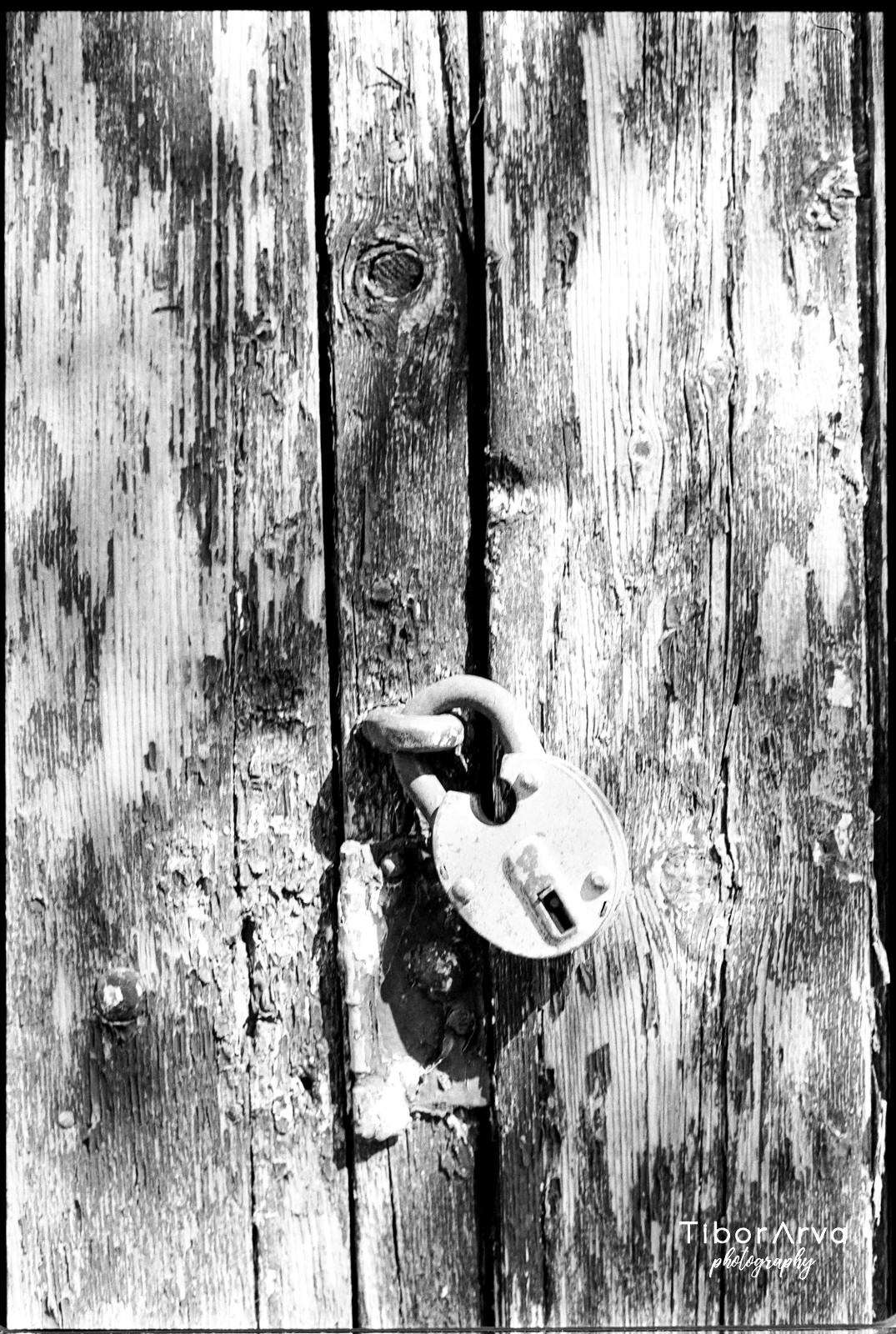
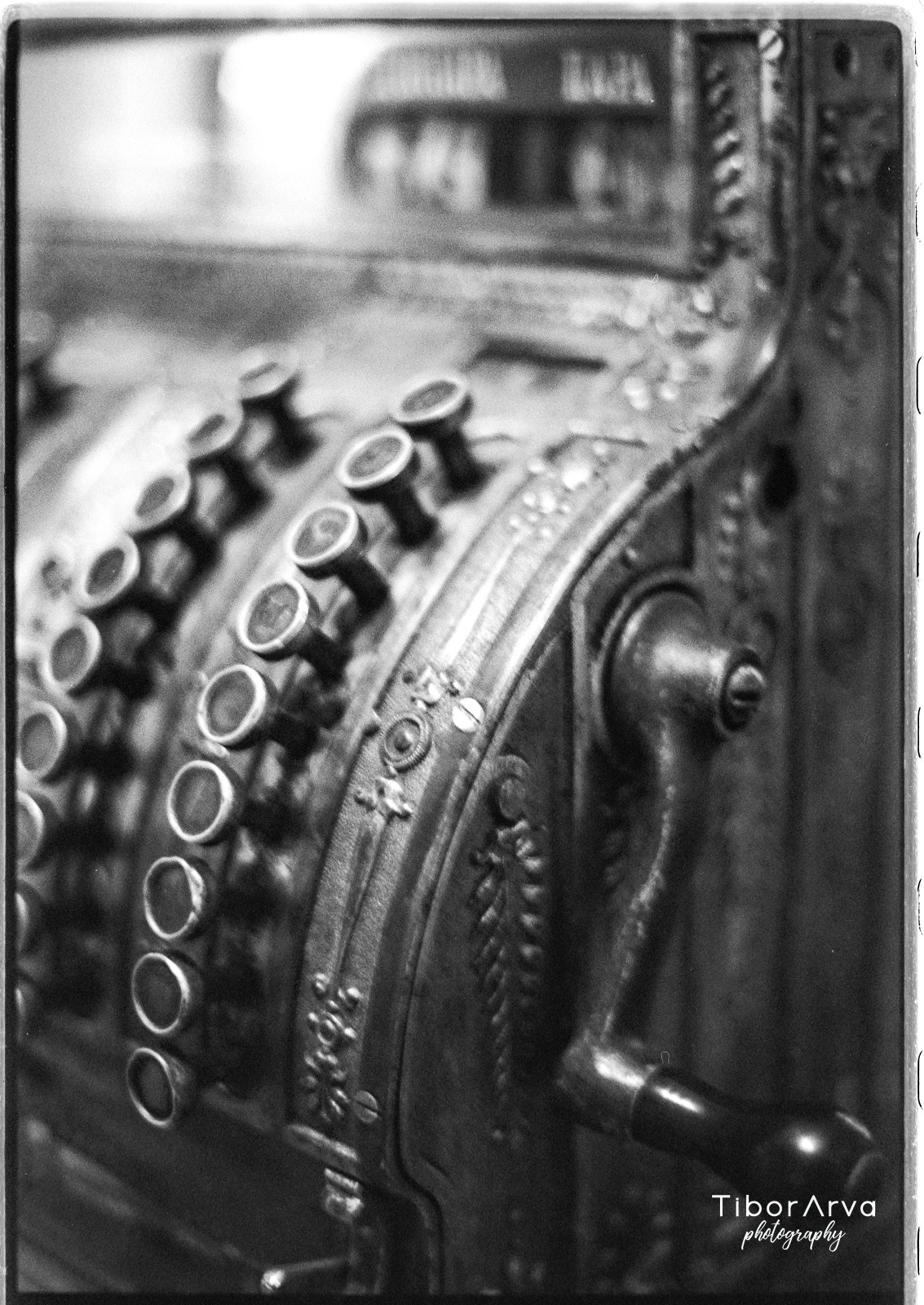
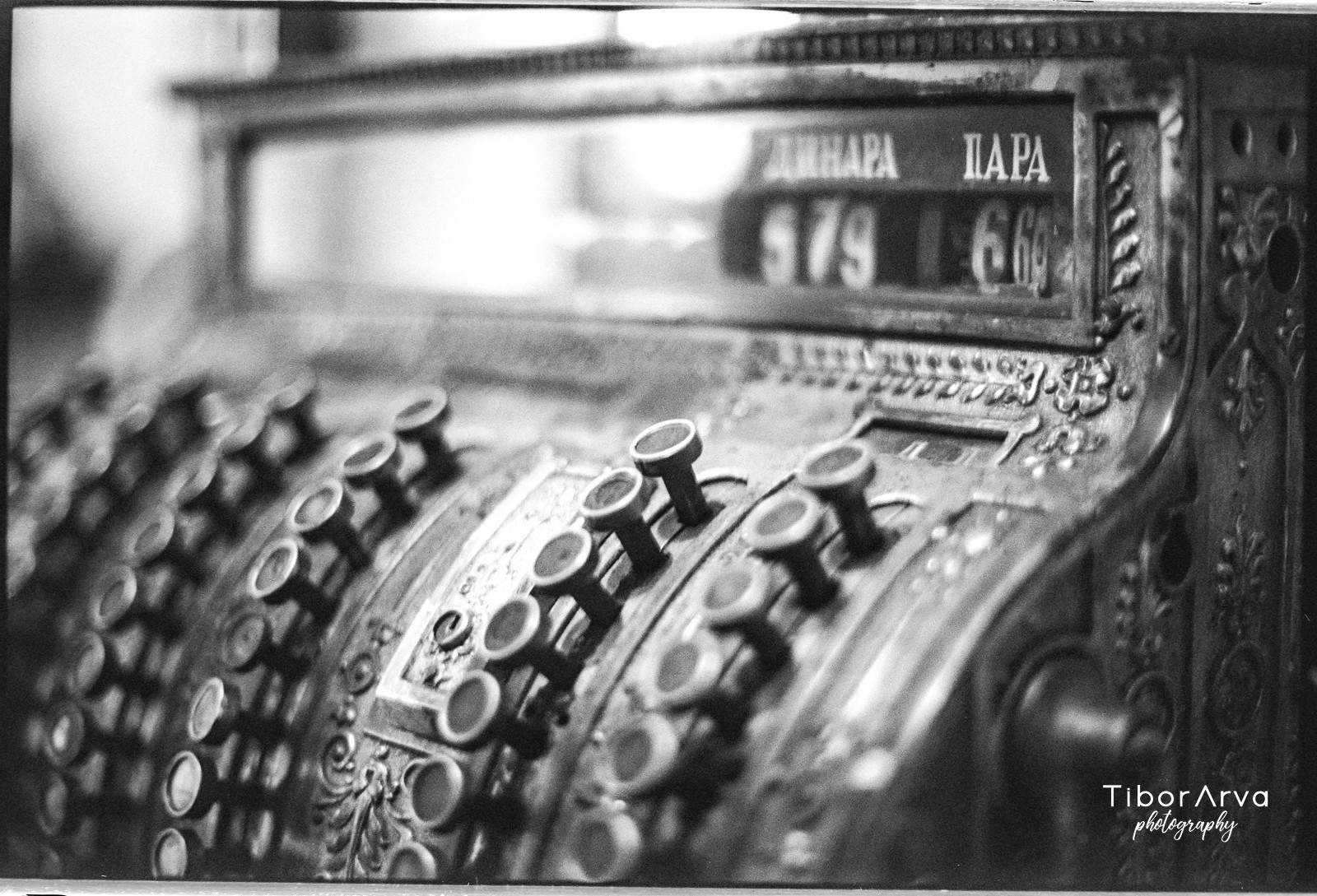
Black and white photography strips away everything that is non-essential. The color of rust ceases to be just a color and becomes pure texture. Light glides over the metal, revealing every groove, every dent, every scar. The grain of the film and the grain of the metal begin to speak the same language.
In the digital world, noise is an error to be removed. In the analog world, grain is emotion. And it is precisely this grain that understands these mechanical souls.
Legacy
In a world where everything is deleted with a single click, these machines stand as monuments to permanence. They are the legacy of a slower, more tangible time. They were built to last, to be repaired, to outlive their creators.
And this is where the analog process connects with them.
My photographs are not just digital data. They are light captured on a physical piece of film. Like these machines, my negatives are permanent, physical records.
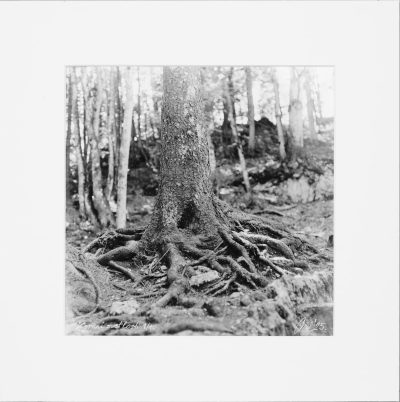
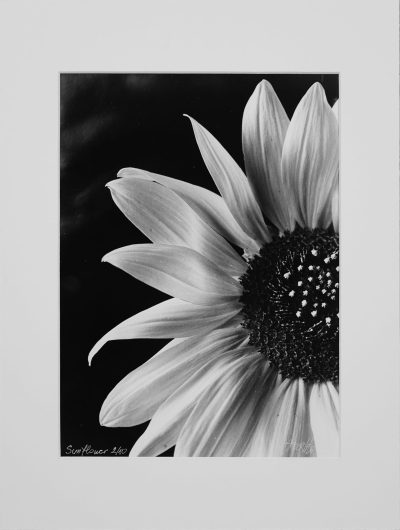
When these photographs one day find themselves on a wall as handmade silver-gelatin prints, the circle will be complete. An old machine, captured with an old technique, printed with an old process. This is not just an image; it is an homage to legacy. It is proof that some things simply deserve to be preserved, not as files, but as objects.
As permanent monuments to the mechanical souls that still live in the silence of the museum.